


 EU Weighs New Trade Restrictions on Israeli West Bank Settlements
  Meta Says States Seek $1.4 Trillion in Penalties Over Teen Social Media Addiction Lawsuit
  Dollar Rises as Middle East Conflict Fuels Inflation and Rate Hike Fears
  SK Hynix Shares Drop After Strong Nasdaq Debut Despite $26 Billion ADR Listing
  SK Hynix’s $28 Billion U.S. Share Sale Draws Massive Demand Amid AI Chip Boom
  Wolfspeed Sues Navitas Over GaN and SiC Patent Infringement
  ICC Says Darfur War Crimes Probe Reaches Breakthrough in Sudan Investigation
  Sara Duterte Impeachment Trial Opens, Putting 2028 Philippine Election in Focus
  Elon Musk Says Anthropic Leads AI Race as Claude Models Challenge OpenAI
  Apple Challenges India Antitrust Probe, Says CCI Copied Rivals’ Claims in App Store Case
  Nvidia Tightens AI Chip Sales in Asia With Stricter Customer Approval Process
  Iraq PM Visits Washington as U.S. Oil, Gas Deals Take Center Stage
  US Stock Futures Slide as Iran Conflict Escalates Ahead of Key Q2 Earnings Week
  Morgan Stanley Says China’s Reusable Rocket Progress Poses Long-Term Challenge to SpaceX
  US Supreme Court Strikes Down Hawaii Gun Carry Law on Private Property
  Apple Sues OpenAI, Former Employees Over Alleged Trade Secret Theft


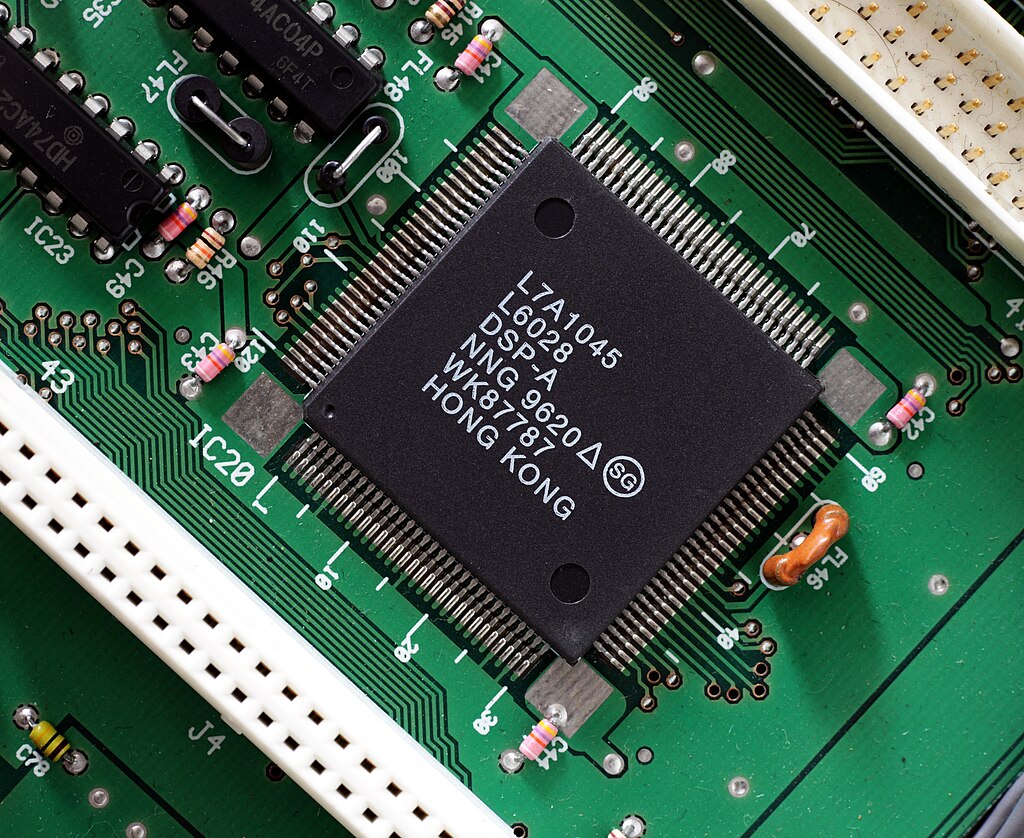
The Biden administration has added over 25 entities, including Chinese AI firm Zhipu AI and chipmaker Sophgo, to the U.S. restricted trade list. These companies, along with two Singapore-based firms, now face strict export licensing rules, generally denied, as part of efforts to curb China's military modernization and AI advancements.
Zhipu AI, backed by Alibaba and Tencent, was targeted for advancing China's military through AI research. Sophgo was blacklisted after a TSMC-produced chip it ordered was found in Huawei’s AI system. Huawei, on the Entity List since 2019, remains central to China’s AI chip ambitions. Sophgo denied any ties to Huawei.
The U.S. Commerce Department also tightened semiconductor export rules, targeting chips at 14 or 16 nanometer nodes or below used in AI. These controls affect chipmakers like TSMC and Samsung, requiring due diligence to prevent diversion to restricted entities. Memory chips like DRAM, essential for AI processors, also face stricter export controls, impacting companies like China's Changxin Memory Technologies (CXMT).
The latest measures reflect heightened U.S. efforts to limit China's access to advanced technology. The government cited risks to national security and potential military applications as reasons for the restrictions. Many blacklisted entities, including Sophgo units, were flagged for aiding China’s weapons development and high-tech surveillance.
The new rules also impose tighter oversight on chip factories and packaging companies. Commerce official Alan Estevez emphasized holding foundries accountable to prevent chips from reaching banned entities.
The U.S. continues to expand export restrictions on advanced AI and chip technology to address national security concerns and global tech competition.







