


 Asian Currencies Weaken as Stronger Dollar Weighs, Yen Supported by GPIF Repatriation Hopes
  Trinidad Businessman Dominic Hadeed Appeals Detention Over Alleged Assassination Plot
  Trump Administration Bars U.S. Travelers From Congo Flights Amid Ebola Outbreak
  Trump to Deliver National Address on Declassified 2020 Election Intelligence
  Amy Coney Barrett Faces Conservative Backlash After Key Supreme Court Rulings Against Trump
  Wolfspeed Sues Navitas Over GaN and SiC Patent Infringement
  Trump Tells Congress Iran Hostilities Restarted, Citing New 60-Day War Powers Window
  DOJ Seeks Dismissal of Gautam Adani Bribery Case, Citing Foreign Scope
  Asian Stocks Slide as Oil Surge, U.S.-Iran Tensions and Fed Rate Bets Weigh on Markets
  DOJ Subpoenas New York Times Journalists Over Air Force One Leak Report
  Apple Challenges India Antitrust Probe, Says CCI Copied Rivals’ Claims in App Store Case
  EU Weighs New Trade Restrictions on Israeli West Bank Settlements
  US-Iran Strikes Escalate as Strait of Hormuz Crisis Pushes Oil Prices Higher
  DOJ Orders Crackdown on Birth Tourism After Supreme Court Upholds Birthright Citizenship
  Dollar Eases as Middle East Conflict, Fed Outlook and Japan Pension Policy Drive FX Markets
  Iraq PM Visits Washington as U.S. Oil, Gas Deals Take Center Stage


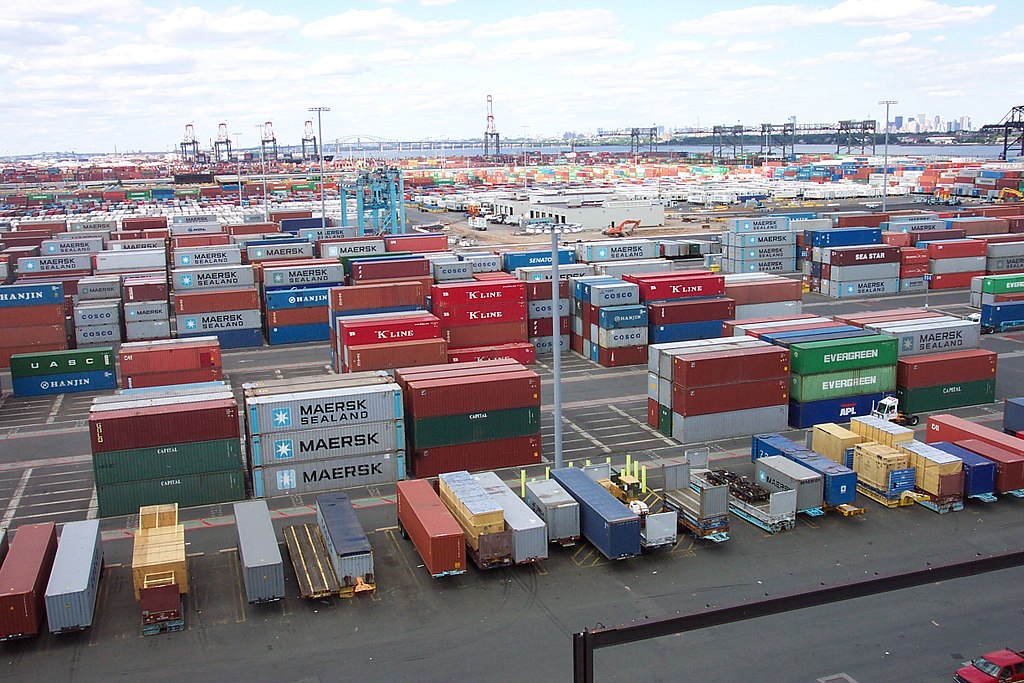
The U.S. Trade Court on Thursday ruled against President Donald Trump’s latest 10% global tariffs, stating that the broad trade measures were not legally justified under a decades-old trade law from the 1970s. The decision marks a significant setback for Trump’s aggressive trade policy agenda and could have major implications for international commerce and U.S. import regulations.
According to the court, the administration exceeded its authority by imposing across-the-board tariffs without sufficient legal grounds under the International Emergency Economic Powers Act (IEEPA). The ruling emphasized that emergency powers cannot be used to justify unlimited tariff actions on nearly all imported goods entering the United States.
The controversial tariffs were introduced as part of Trump’s broader strategy to reduce trade imbalances and pressure foreign governments on economic issues. Supporters argued the tariffs would protect American industries and strengthen domestic manufacturing. However, critics claimed the measures increased costs for businesses, disrupted supply chains, and raised prices for consumers across multiple sectors.
Trade experts say the court’s decision could reshape future presidential authority on trade restrictions and limit the use of emergency economic powers for tariff enforcement. The ruling may also provide relief for global exporters and U.S. companies heavily dependent on imported materials and products.
Financial markets and international trade partners reacted positively to the news, viewing the decision as a step toward greater stability in global trade relations. Legal analysts believe the case could eventually reach a higher court if appealed, especially given the political and economic significance of Trump-era trade policies.
The outcome highlights the growing legal scrutiny surrounding tariff policies and the balance of power between the executive branch and the courts in determining U.S. trade actions.







