


 Florida Seeks Tougher Meta Rules to Protect Young Users
  FDA Approves Mirum’s Atebrioz for Rare Bone Disorder FOP
  Hengrui Shares Rise on $2.6 Billion Novo Nordisk Obesity Drug Deal
  Broadcom, Oracle and SpaceX Seek Billions in Private Debt for AI Expansion
  GSK Unveils $2.52 Billion Cost-Cutting Plan to Accelerate Drug Pipeline
  Circle Urges EU to Revise MiCA Stablecoin Rules
  Novartis M&A Strategy Faces Investor Scrutiny After Drug Setbacks
  Saudi Arabia Probes Flydubai Cockpit Attack
  TSMC Q3 Revenue Beats Estimates as AI Chip Demand Surges
  OpenAI, Anthropic Back Mandatory AI Breach Reporting in Australia
  France to Release 10 Million Barrels of Diesel to Ease Fuel Prices
  Illinois Delays Crypto Tax Law Until July 2027
  US Conducts Non-Nuclear Explosion Test to Boost Nuclear Detection
  TikTok Accused of Testing Fake Safety Tools on Users
  U.S. Issues Cuba Health Alert as Illnesses Rise
  Trump Orders Firing Squad Execution for Fort Hood Gunman


 Add as a preferred source on Google
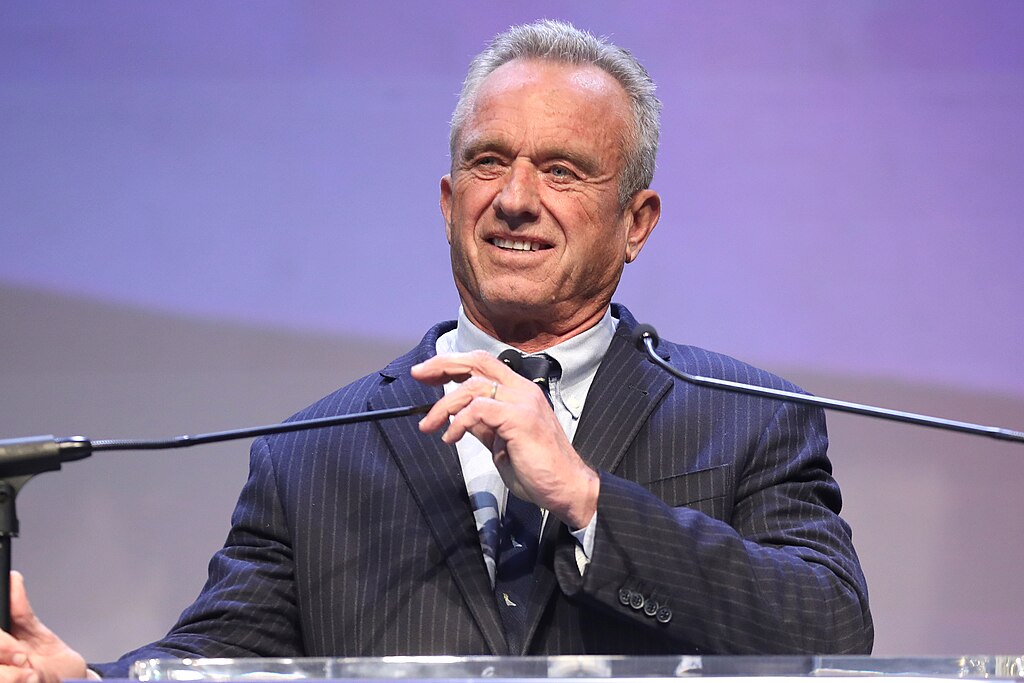
Sweeping changes to U.S. vaccine policy under Health Secretary Robert F. Kennedy Jr. are creating uncertainty across the pharmaceutical sector, dampening investor confidence and raising concerns among vaccine manufacturers. Since President Donald Trump’s administration reshaped federal health leadership, long-standing vaccine recommendations have been rolled back, marking a significant shift in public health strategy that is already affecting vaccine demand, company revenues, and long-term investment outlooks.
Over the past year, the U.S. has ended broad guidance that previously recommended routine childhood immunizations for illnesses such as influenza and hepatitis A. Additional changes include scaling back COVID-19 vaccine recommendations for pregnant women and children, altering childhood vaccine schedules, and replacing independent advisory panels with members more aligned with Kennedy’s long-held skepticism toward vaccines. These moves, which Kennedy says are aimed at improving safety and aligning U.S. policy with other nations, have alarmed public health experts and the biotech industry alike.
Investors and analysts note that vaccine makers now face increased political risk. Many initially viewed Kennedy’s appointment as a short-term headline issue, but as policy changes have translated into lower vaccination rates, the impact has become more tangible. Analysts warn that vaccines may no longer be seen as a reliable growth segment under the current administration, potentially weighing on the sector through at least 2028.
Major pharmaceutical companies such as GSK, Sanofi, Pfizer, and Merck are better positioned to absorb the impact due to diversified revenue streams. However, smaller vaccine-focused biotech firms like Moderna, BioNTech, and Novavax face heightened exposure. Recent earnings reports already show signs of strain, with lower U.S. flu vaccine sales reported despite a severe flu season. Outside the U.S., companies have also reacted to declining vaccination rates, citing increased volatility in the global vaccine market.
While many investors believe long-term demand for vaccines will recover—especially if disease outbreaks intensify—near-term uncertainty remains a drag on investment. Ongoing legal challenges from medical organizations and shifting public sentiment add further unpredictability. For now, changing U.S. vaccine policy and rising skepticism are reshaping the risk calculus for vaccine makers and investors, making the market less predictable than it has been in decades.







