


 Zelenskiy Warns Russia Is Preparing Massive Attack on Ukraine
  Crypto Lobbying Hits $13M as Clarity Act Stalls
  Saudi Arabia Probes Flydubai Cockpit Attack
  Trump Weighs FBI Probe Into Nolan Wells’ Death
  Pentagon Orders Iran Strike Preparations as Trump Weighs Military Action
  US-Led Coalition Targets Global Factory Overcapacity
  Trump Backs Florida Golf Course as Presidential Retreat
  Fairshake Backs 32 Pro-Crypto House Candidates
  New York Declares Measles Disaster Emergency as Cases Surge
  CFTC Moves to Set New Crypto Rules After CLARITY Act Failure
  US, Greece Launch New Counterterrorism Security Program
  US-Taiwan Ties Remain Strong as Taipei Urges Timely Arms Deliveries
  San Francisco Halts New Data Center Construction With 45-Day Moratorium
  Illinois Delays Crypto Tax Law Until July 2027
  Mike Rogers Calls for End to US-Canada Tariff War
  Crypto Rallies as CLARITY Act Failure Opens Door to Faster SEC Rules
  Trump Says He Deserves 2026 Nobel Peace Prize Despite Uncertain Chances


 Add as a preferred source on Google
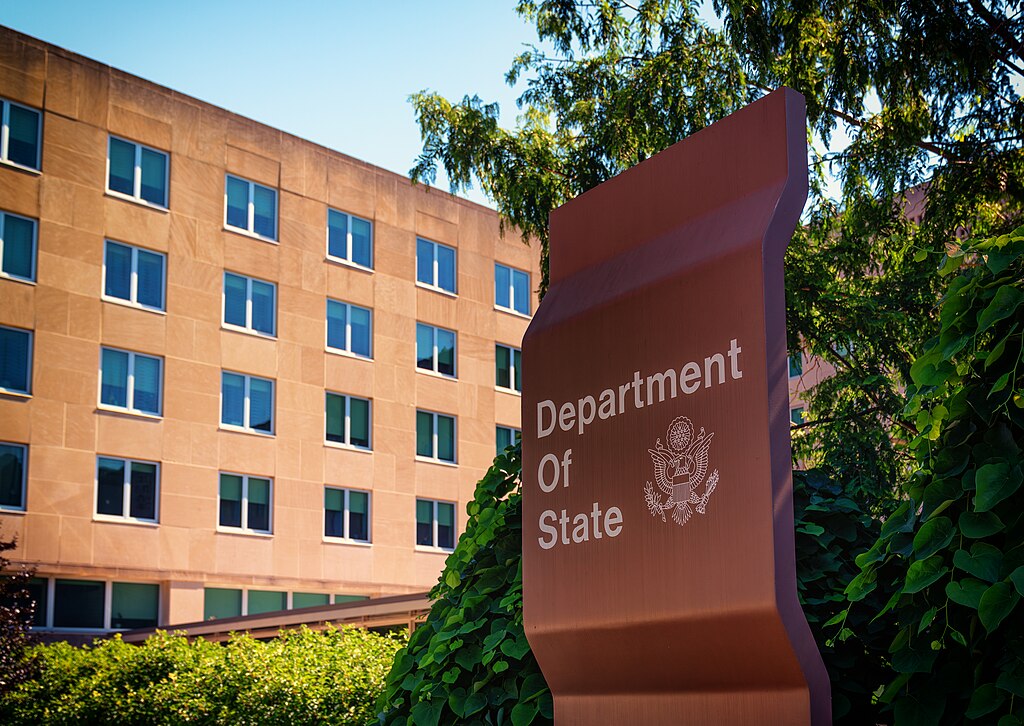
An internal watchdog report released Monday found that the U.S. State Department faced significant operational challenges after taking over billions of dollars in foreign aid programs following the closure of the U.S. Agency for International Development (USAID).
President Donald Trump ordered the shutdown of USAID shortly after returning to office in January 2025, resulting in the dismissal of more than 10,000 employees and the cancellation of thousands of aid programs. The abrupt transition disrupted U.S.-funded humanitarian and development efforts that support millions of vulnerable people worldwide.
According to the State Department’s Office of Inspector General, approximately $51.5 billion in obligated foreign assistance funds were transferred to the department while it was simultaneously undergoing its own internal reorganization. The surviving aid portfolio, known as the "Green List," included 1,504 awards covering projects in key regions such as Ukraine, Israel, the Palestinian territories, and other conflict-affected areas.
The watchdog said the rapid transfer created major administrative hurdles, with officials describing the process as moving "extremely fast" under constantly changing guidance. The report also noted that the State Department had not fully implemented earlier inspector general recommendations designed to ease the transition.
Roughly one-third of the State Department offices assigned to oversee the transferred programs had no previous experience managing foreign assistance. Although the department added 838 new positions to administer the awards, the staffing level fell well short of bureau requests.
The report also highlighted delays in issuing guidance for updating grant terms, with complete instructions not available until December. In addition, an artificial intelligence-powered data management system introduced to support the transition experienced data quality issues that complicated oversight.
Africa accounted for the largest share of transferred aid programs, with 639 awards valued at $17 billion. The Bureau of African Affairs, which assumed responsibility for most of those projects, requested 732 additional staff positions but received only 232 hires, most of whom were locally employed personnel stationed at U.S. diplomatic missions.
The State Department did not immediately respond to Reuters' request for comment. However, its management office told the inspector general that efforts to implement the watchdog’s recommendations are currently underway.







