


 California Woman Arrested Over Alleged Spying on Taiwan President’s Son
  France to Release 10 Million Barrels of Diesel to Ease Fuel Prices
  Kalshi Wins CFTC Approval for S&P 500 Perpetual Futures
  US-Led Coalition Targets Global Factory Overcapacity
  TikTok Accused of Testing Fake Safety Tools on Users
  Maduro, Wife May Face New US Torture Charges
  San Francisco Halts New Data Center Construction With 45-Day Moratorium
  UK Warned Over Growing Reliance on US Cloud Providers
  Trump Asks Supreme Court to Restore Third-Country Deportations
  Trump Plans Diesel Tax Relief as Fuel Prices Hit Record Highs
  Mike Rogers Calls for End to US-Canada Tariff War
  Houthis Strike Aden Airport as Yemen Fighting Escalates
  Fed Minutes Signal Another Rate Hike by Year-End
  Mexico Bars Dual Citizens From Presidential Races Starting in 2028
  Oil Prices Rise as Hormuz Attacks Fuel Supply Fears
  Illinois Delays Crypto Tax Law Until July 2027


 Add as a preferred source on Google
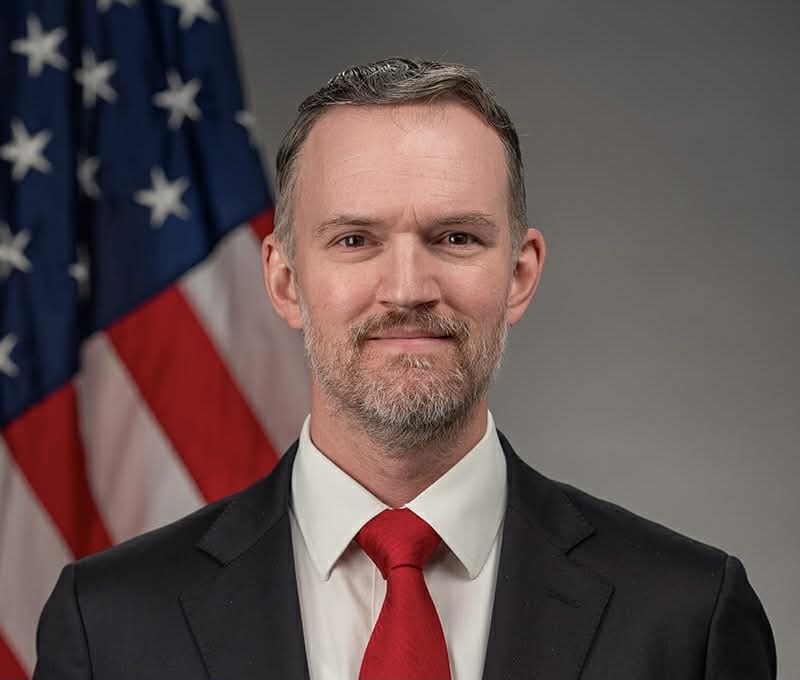
U.S. Trade Representative Jamieson Greer announced Friday that his office will begin several new investigations under Section 301 of the Trade Act of 1974, signaling a renewed focus on U.S. trade enforcement. The move comes shortly after the U.S. Supreme Court struck down tariffs ranging from 10% to 50% that had been imposed under the International Emergency Economic Powers Act (IEEPA).
According to Greer, the Section 301 investigations will target most major U.S. trading partners and address key trade concerns, including pharmaceutical product pricing, industrial overcapacity, forced labor practices, and alleged discrimination against American technology companies and digital goods. The decision underscores the Trump administration’s commitment to reshaping international trade policy and protecting U.S. economic interests.
Section 301 of the Trade Act of 1974 gives the U.S. Trade Representative authority to investigate and respond to unfair trade practices by foreign governments. These new probes are expected to examine whether certain policies or market behaviors harm U.S. businesses, distort global markets, or restrict fair competition.
Greer emphasized that despite the Supreme Court’s ruling on the IEEPA tariffs, the administration remains confident that trade agreements negotiated under President Donald Trump will stay intact. The court’s decision invalidated the emergency-based tariffs but does not affect existing bilateral or multilateral trade deals reached during Trump’s tenure.
The renewed use of Section 301 investigations highlights a strategic shift in U.S. trade policy, focusing on enforcement mechanisms embedded in longstanding trade law rather than emergency economic powers. By addressing issues such as excess industrial capacity and digital trade barriers, the administration aims to strengthen American competitiveness and ensure fair treatment for U.S. exporters and technology firms in the global marketplace.
The announcement signals a potentially significant escalation in trade scrutiny that could reshape relations with key economic partners in the months ahead.







