


 Trump Signs Executive Order Threatening 25% Tariffs on Countries Trading With Iran
  Gold and Silver Prices Slide as Dollar Strength and Easing Tensions Weigh on Metals
  Trump’s Inflation Claims Clash With Voters’ Cost-of-Living Reality
  TrumpRx Website Launches to Offer Discounted Prescription Drugs for Cash-Paying Americans
  U.S. Announces Additional $6 Million in Humanitarian Aid to Cuba Amid Oil Sanctions and Fuel Shortages
  Japan Election 2026: Sanae Takaichi Poised for Landslide Win Despite Record Snowfall
  India–U.S. Interim Trade Pact Cuts Auto Tariffs but Leaves Tesla Out
  South Korea Assures U.S. on Trade Deal Commitments Amid Tariff Concerns
  China Extends Gold Buying Streak as Reserves Surge Despite Volatile Prices
  South Korea’s Weak Won Struggles as Retail Investors Pour Money Into U.S. Stocks
  U.S. Stock Futures Slide as Tech Rout Deepens on Amazon Capex Shock
  TrumpRx.gov Highlights GLP-1 Drug Discounts but Offers Limited Savings for Most Americans
  Global Markets Slide as AI, Crypto, and Precious Metals Face Heightened Volatility
  Vietnam’s Trade Surplus With US Jumps as Exports Surge and China Imports Hit Record
  Russian Stocks End Mixed as MOEX Index Closes Flat Amid Commodity Strength
  Dollar Near Two-Week High as Stock Rout, AI Concerns and Global Events Drive Market Volatility
  Netanyahu to Meet Trump in Washington as Iran Nuclear Talks Intensify


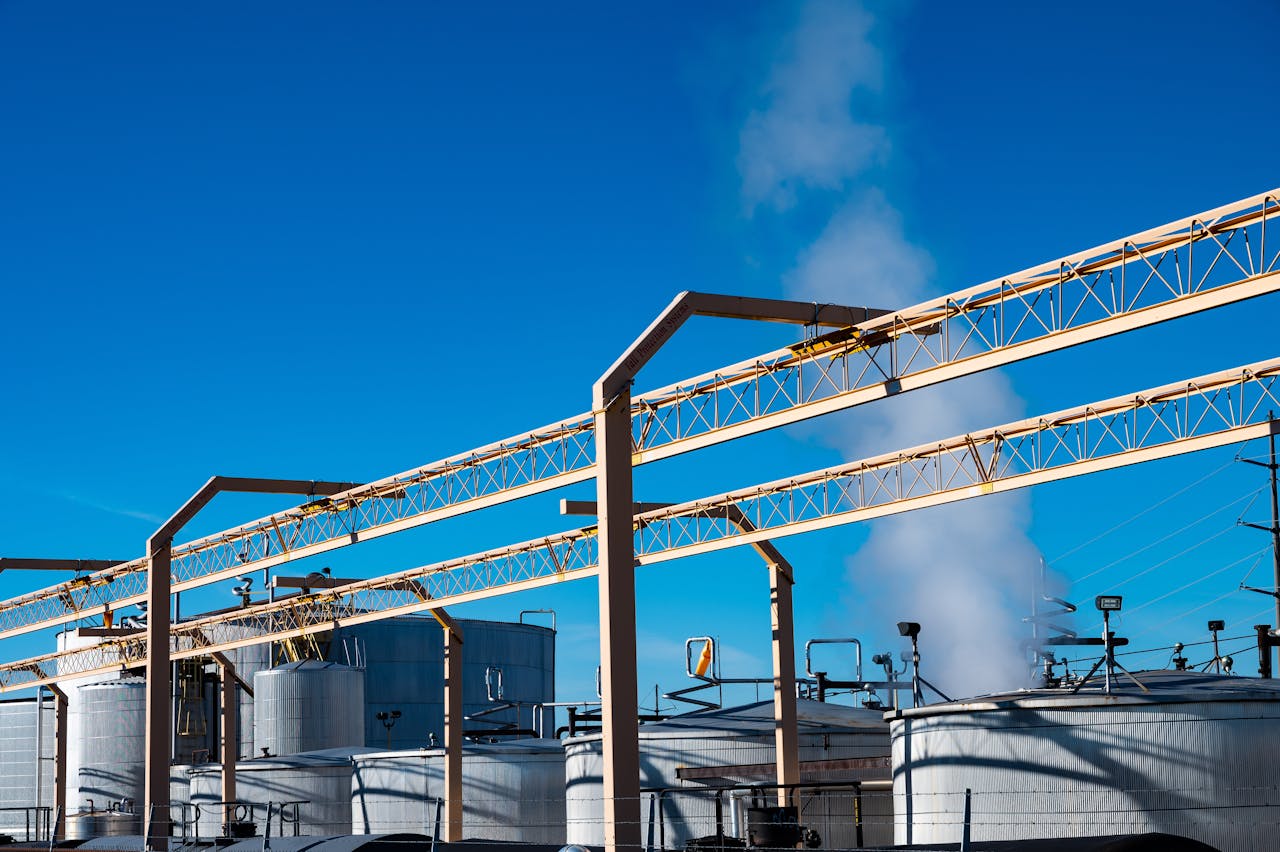
The United States and Venezuela have reached a significant agreement that could reshape global oil flows, following an announcement by U.S. President Donald Trump that Caracas will export up to $2 billion worth of Venezuelan crude oil to the United States. The deal marks a major development in U.S.–Venezuela relations and could divert oil supplies away from China while easing pressure on Venezuela’s oil sector, which has been constrained by sanctions and export blockades.
According to Trump, the agreement involves transferring between 30 million and 50 million barrels of what he described as “sanctioned oil” to the U.S. The crude will be sold at market prices, with proceeds reportedly overseen by the U.S. government. The oil is expected to be taken directly from tankers and storage facilities and shipped to U.S. ports, a move that could help Venezuela avoid deeper production cuts caused by limited storage capacity.
The deal comes amid heightened political tensions, following the U.S. capture of Venezuelan President Nicolas Maduro, an action Venezuelan officials have condemned. Trump has also increased pressure on the new interim government led by Delcy Rodriguez, demanding broader access for U.S. oil companies to Venezuela’s energy sector.
Currently, Chevron controls Venezuelan oil flows to the U.S. under a special authorization, exporting roughly 100,000 to 150,000 barrels per day. It remains unclear whether Venezuela will gain access to the proceeds, as sanctions continue to isolate PDVSA from the global financial system. Venezuelan crude, particularly the heavy Merey grade, has been trading at a steep discount to Brent, valuing the deal at nearly $1.9 billion.
Market reaction was swift, with U.S. crude prices falling after the announcement on expectations of increased supply. Analysts say reallocating cargoes originally destined for China could happen quickly, underscoring the deal’s geopolitical and economic significance. For U.S. Gulf Coast refineries capable of processing heavy crude, the agreement could boost supply stability, jobs, and potentially lower fuel prices, while offering Venezuela a path toward stabilizing its oil production and economy.













