


 EU Rejects Italy, Greece Calls for Fiscal Rule Flexibility
  Marco Rubio Warns Russia-Ukraine War Could Spark Wider Conflict
  San Francisco Halts New Data Center Construction With 45-Day Moratorium
  US Conducts Non-Nuclear Explosion Test to Boost Nuclear Detection
  US-Led Coalition Targets Global Factory Overcapacity
  Pentagon Orders Iran Strike Preparations as Trump Weighs Military Action
  Lincoln University Students Sue Missouri Over Decades of Underfunding
  Merz Warns of Extremism After AfD Gains Power in Saxony-Anhalt
  Mexico Bars Dual Citizens From Presidential Races Starting in 2028
  US Charges Maduro and Wife With Torture Conspiracy
  Saudi Arabia Probes Flydubai Cockpit Attack
  US DOT Ends Airline Privacy Review Without Enforcement
  Mike Rogers Calls for End to US-Canada Tariff War
  ICC Rules Duterte Fit to Stand Trial in Drug War Case
  Saudi Airport Attacks Kill Three as Yemen Fighting Escalates
  Florida Seeks Tougher Meta Rules to Protect Young Users


 Add as a preferred source on Google
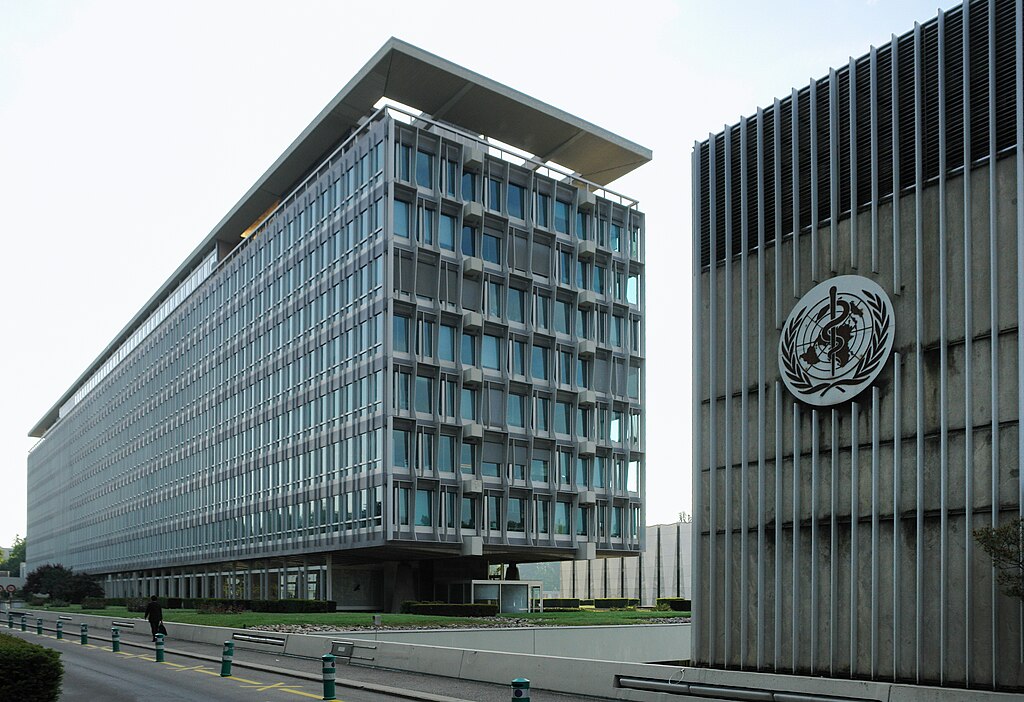
The United States has officially withdrawn from the World Health Organization (WHO), marking a significant shift in global health policy that experts warn could harm public health both domestically and worldwide. The decision follows a year of escalating warnings from health leaders and international officials who argued that leaving the United Nations health agency would weaken global disease surveillance and response systems.
President Donald Trump initiated the withdrawal on the first day of his presidency in 2025 through an executive order, citing what the administration described as the WHO’s failures in managing the COVID-19 pandemic. According to a joint press release from the U.S. Departments of Health and State, the United States will no longer participate fully in WHO activities and has no plans to rejoin or even serve as an observer. Instead, the U.S. intends to collaborate directly with individual countries on public health priorities, including disease monitoring and emergency response.
A key point of contention involves unpaid membership fees. Under U.S. law, the country was expected to provide one year’s notice and settle approximately $260 million in outstanding dues before exiting. However, State Department officials dispute that payment is a legal prerequisite for withdrawal, arguing that American taxpayers have already contributed sufficiently. The Department of Health and Human Services confirmed that all U.S. funding to the WHO has ended, stating the organization’s actions had cost the U.S. trillions of dollars.
The withdrawal has already triggered major consequences. The U.S. flag was removed from WHO headquarters in Geneva, and the agency has entered a financial crisis. As its largest donor, contributing about 18% of total funding, the U.S. exit has forced the WHO to cut its management team, reduce budgets, and plan to lay off roughly a quarter of its staff by mid-year.
Global health leaders, including WHO Director-General Tedros Adhanom Ghebreyesus and Gates Foundation chair Bill Gates, have urged the U.S. to reconsider. While a quick return appears unlikely, experts stress that the absence of U.S. leadership could weaken international cooperation and increase risks to global health security.







