


 Iran Fires Ballistic Missiles at U.S. Forces; All Intercepted, CENTCOM Says
  AstraZeneca Shares Sink After Wainua Trial Misses Key Heart Disease Goal
  X Challenges Australia’s Expanded Social Media Ban Enforcement Powers
  US Plans Kenya Ebola Quarantine Facility Amid Congo Outbreak
  US Customs Inspects China-Linked Factories in Vietnam Amid Trade Compliance Review
  U.S. Imposes 25% Tariff on Select Brazilian Imports After Section 301 Trade Investigation
  CDC Confirms U.S. Ebola Case Linked to Congo Outbreak as Travel Restrictions Tighten
  DOJ Subpoenas Major Law Firms in Trump Executive Order Dispute
  The government is ‘doubling down’ on its social media ban. But bigger penalties for platforms aren’t enough
  Russian Officials Say Ukrainian Drone Attacks Kill 3 in Belgorod, Injure 19 on Bus
  Trump Administration Weighs Ending Support for UN Refugee Agency UNHCR
  US Drone Industry Still Trails Ukraine as Pentagon Pushes American-Made Supply Chain
  Brazil Rejects Visas for Trump Officials Ahead of Presidential Election
  NIH Infectious Disease Leadership Shake-Up Raises Concerns Amid Ebola, Hantavirus Outbreaks
  Trump Reportedly Approves Plan to Remove FDA Commissioner Marty Makary Amid Growing Controversies
  FDA Investigates New Cyclospora Outbreak as U.S. Cases Continue to Rise
  TrumpRx Expands Discount Drug Access With 600 Generic Medications


Health officials are warning that the biggest public health threats following the twin earthquakes that struck Venezuela’s northern coast last month are no longer limited to earthquake-related injuries. Instead, concerns are shifting toward disease outbreaks, disrupted healthcare services, overcrowded shelters and limited access to clean water and sanitation.
The Pan American Health Organization (PAHO), the regional office of the World Health Organization (WHO), said it is working closely with Venezuela’s Health Ministry to monitor potential outbreaks of respiratory and digestive illnesses, particularly among thousands of people displaced by the disaster and now living in more than 80 temporary shelters.
PAHO Director Jarbas Barbosa said the coming weeks will be critical as interruptions to routine healthcare, poor sanitation, reduced vaccination access and overcrowded living conditions could increase the risk of infectious diseases. He stressed that improving vaccination coverage is a priority, noting that immunization rates in Venezuela were already below recommended levels before the earthquakes.
Health authorities are integrating field hospitals and emergency shelters into an early warning surveillance system designed to detect diarrheal diseases, respiratory infections, fever-related illnesses and vaccine-preventable diseases as quickly as possible.
PAHO's Director for Health Emergencies, Ciro Ugarte, said Venezuela’s healthcare system was already under severe strain due to years of economic hardship. The migration of healthcare professionals has further weakened emergency response capacity, forcing hospitals not designed for trauma care to treat earthquake victims. He added that medical services have improved with international assistance, field hospitals and healthcare workers deployed from other regions.
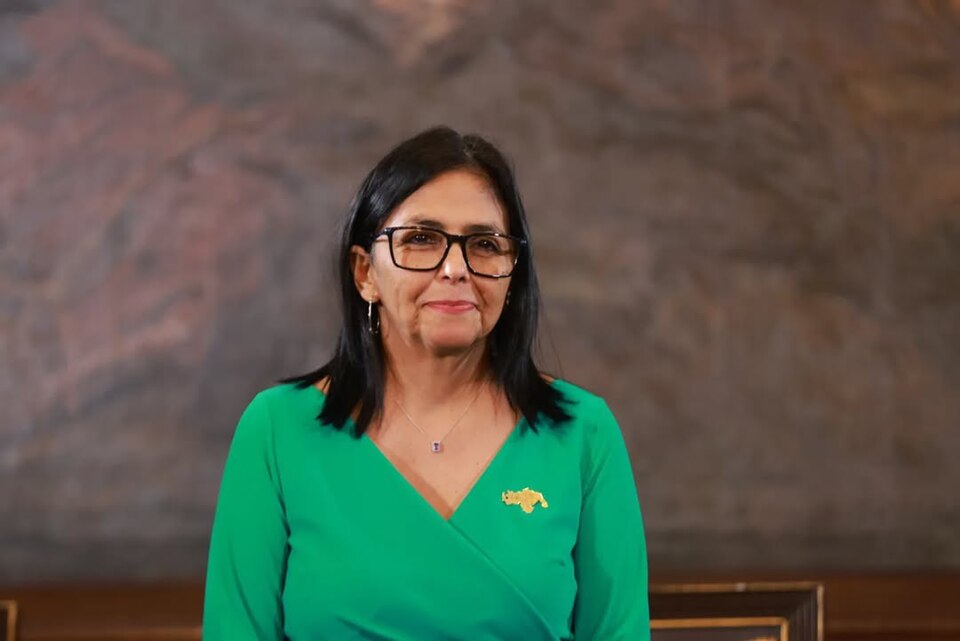
Acting President Delcy Rodriguez has defended the government's disaster response amid criticism that local residents led much of the rescue and recovery effort alongside international rescue teams, firefighters and military volunteers.
Authorities on Thursday raised the official death toll to 3,889, while 16,740 people were reported injured and 17,907 left homeless. PAHO officials also confirmed that 300 unidentified victims in the hardest-hit state of La Guaira were buried with detailed forensic records, including preserved genetic material and documented burial locations, allowing future identification efforts to continue.







