


 Brazil Court Bars Flavio Bolsonaro From Visiting Jair Bolsonaro Ahead of Election
  In a rebuke to Trump, the Supreme Court rules that birthright citizenship is the law of the land
  Texas Man Charged After Fatal Tesla Full Self-Driving Crash in Katy
  Trump Administration Sues Maryland Over Alleged Sanctuary Immigration Policies
  Russia Launches Missile and Drone Attacks on Kyiv, Zaporizhzhia, and Kharkiv
  DOJ Subpoenas New York Times Journalists Over Air Force One Leak Report
  Sara Duterte Impeachment Trial Opens, Putting 2028 Philippine Election in Focus
  Iran's Supreme Leader Vows Revenge as Trump Threatens Massive U.S. Military Response
  Apple Sues OpenAI, Former Employees Over Alleged Trade Secret Theft
  Iranian Missile Strike on UAE Oil Tankers Kills Indian Crew Member in Strait of Hormuz
  EU Ministers Split as Support Grows for Ban on Trade With Israeli West Bank Settlements
  DOJ Seeks Dismissal of Fraud Charges Against Gautam Adani in U.S. Court
  ICC Says Darfur War Crimes Probe Reaches Breakthrough in Sudan Investigation
  Israeli Strikes Kill Six in Gaza as Ceasefire Talks Continue in Cairo
  Ann Widdecombe Murder: Police Arrest Second Suspect, Rule Out Terrorism Motive
  Trump Administration Hands Over Key Evidence in Minnesota Immigration Shooting Investigations


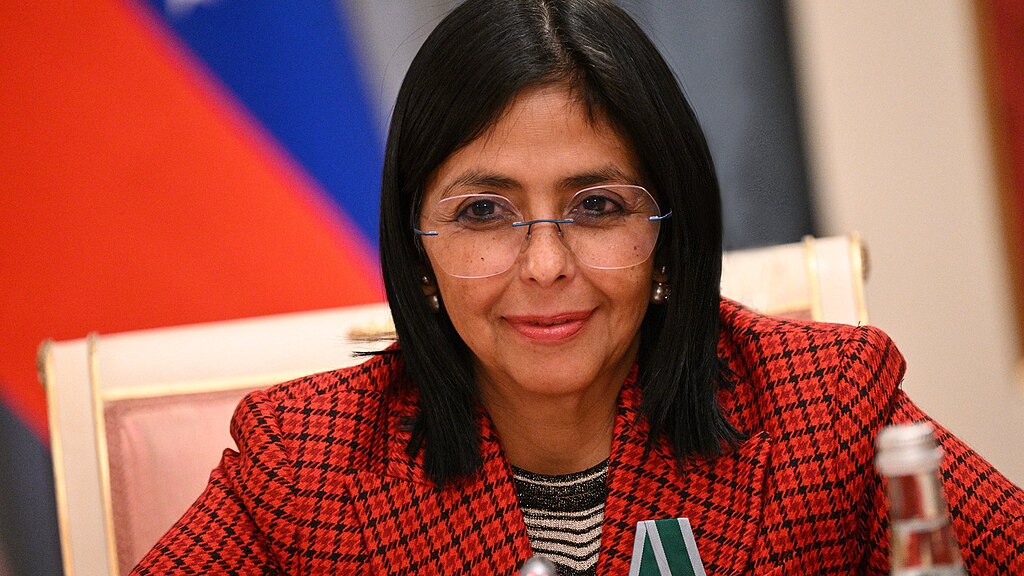
Venezuela entered a new period of political uncertainty after the Constitutional Chamber of the country’s Supreme Court ordered Vice President Delcy Rodríguez to assume the role of acting president following the detention of President Nicolás Maduro early Saturday morning. According to the court ruling, Rodríguez was instructed to take over presidential duties to ensure the continuity of government operations and the defense of national sovereignty during Maduro’s absence.
The decision was announced after U.S. forces reportedly carried out an operation that resulted in Maduro’s detention, a development that has intensified international attention on Venezuela’s ongoing political crisis. The Supreme Court stated that Rodríguez would temporarily hold “the office of President of the Bolivarian Republic of Venezuela” with the explicit aim of guaranteeing administrative continuity and maintaining the functioning of state institutions.
In its official ruling, the Constitutional Chamber emphasized the need to preserve stability within the government, citing concerns over governance, security, and sovereignty. The court also confirmed that it would convene further deliberations to determine the appropriate legal framework governing the president’s forced absence. These discussions are expected to address how the state, executive administration, and national defense should operate under the current circumstances.
Delcy Rodríguez, a long-time ally of Maduro and a central figure in the Venezuelan government, now faces the challenge of managing the country during a period marked by economic hardship, political divisions, and strained relations with the United States and other Western nations. Her appointment as acting president signals an attempt by the Supreme Court to project institutional continuity amid sudden leadership disruption.
The ruling has sparked debate among legal experts and political analysts, with some questioning the constitutional implications of the court’s decision and others focusing on the broader geopolitical consequences. As the Supreme Court prepares to further review the situation, both domestic and international observers are closely monitoring developments to assess how Venezuela’s leadership transition may reshape the country’s political landscape.
This latest move underscores the fragile balance of power in Venezuela and highlights the Supreme Court’s influential role in navigating the nation through one of its most critical moments in recent history.







