


 Luxury Car Sales in the Middle East Take a Hit Amid Iran War
  NASA's Artemis II Mission: First Crewed Lunar Journey Since Apollo
  SpaceX Eyes Historic IPO at $1.75 Trillion Valuation
  MATCH Act Targets ASML and Chinese Chipmakers in New U.S. Export Crackdown
  Federal Judge Blocks Pentagon's Blacklisting of AI Company Anthropic
  CTOC Adds 3,000 Doctors, 500 Hospitals Ahead of Liquidity Push
  Tesla Q1 2026 Deliveries Miss Estimates as AI Strategy Takes Center Stage
  Annie Altman Amends Sexual Abuse Lawsuit Against OpenAI CEO Sam Altman
  Chinese Universities with PLA Ties Found Purchasing Restricted U.S. AI Chips Through Super Micro Servers
  California's AI Executive Order Pushes Responsible Tech Use in State Contracts
  Ukrainian Drones and the #MadeByHousewives Movement: Kyiv Fires Back at Rheinmetall CEO
  SK Hynix Eyes Up to $14 Billion U.S. IPO to Fund AI Chip Expansion
  Apple Turns 50: From Garage Startup to AI Crossroads
  TSMC Japan's Second Fab to Produce 3nm Chips by 2028
  OpenAI Pulls the Plug on Sora, Ending $1 Billion Disney Partnership
  Norma Group Posts Revenue Decline in 2025, Eyes Modest Recovery in 2026
  Microsoft Eyes $7B Texas Energy Deal to Power AI Data Centers


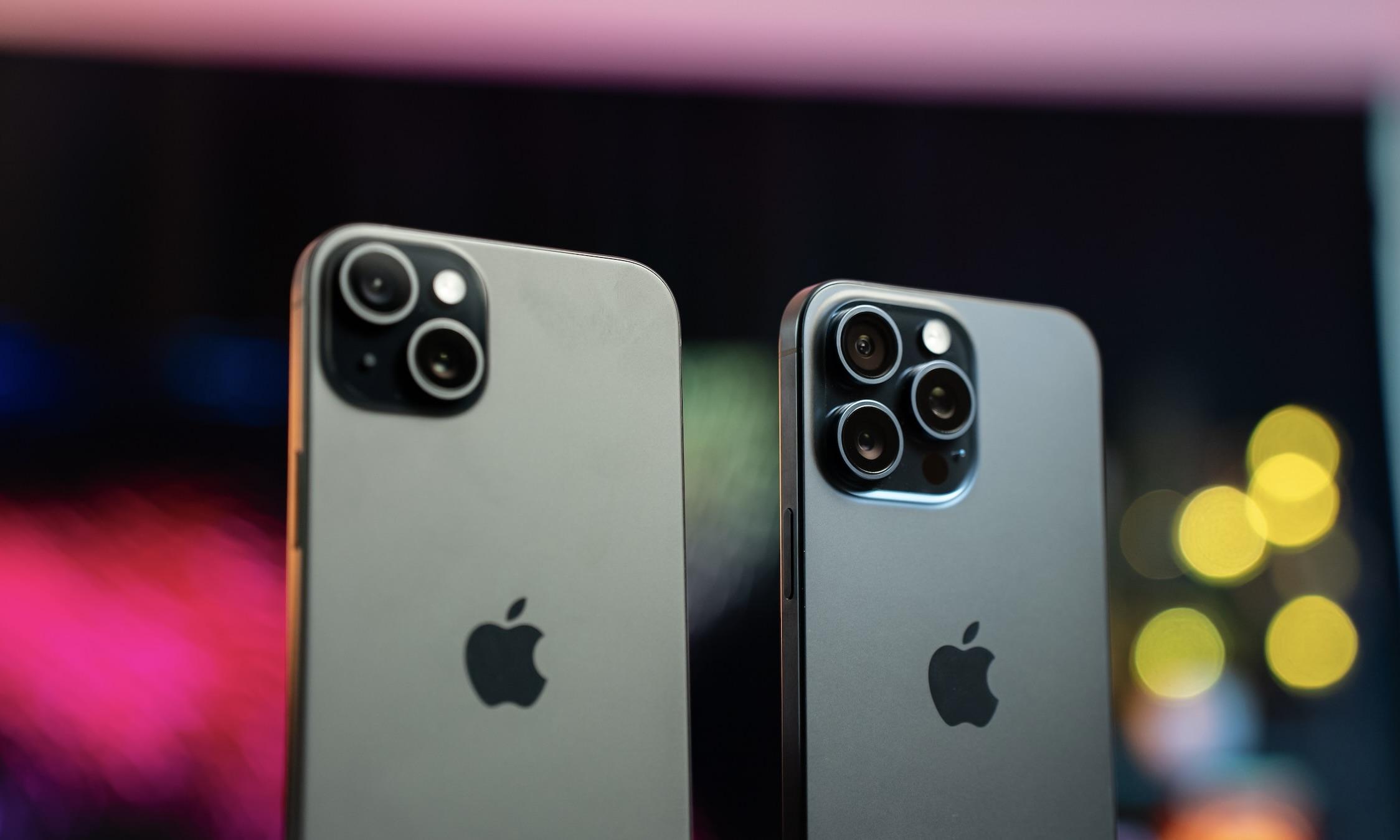
Apple's iPhone 15 lineup has seen a 4.5% sales drop in China during the first two weeks after its launch, indicating weakened demand compared to last year's models.
Furthermore, financial firm Jefferies mentioned a double-digit percentage decline in iPhone 15 sales, following the strong customer demand for Huawei's new Mate 60 smartphone line, reports CNN.
Factors Contributing to Decline
According to the Albany Herald, the weakening Chinese economy, the struggling housing market, and intensified competition from local device manufacturer Huawei are some factors impacting iPhone 15 sales in China.
Chinese consumers, driven by nationalism and dissatisfaction with the US government's actions and sanctions, have gravitated toward Huawei's Mate 60. Counterpoint's research director, Jeff Fieldhack, stated that this shift in consumer preference is affecting Apple's volumes.
Importance of Chinese Market to Apple
Despite the decline in sales, China remains a crucial market for Apple, second only to the US. Fieldhack believes that although Huawei may not surpass Apple in smartphone sales, continued interest in the Mate 60 will impact Apple's numbers.
The tension arising from political uncertainties and heightened competition in China has raised concerns for Apple. The company experienced significant growth and claimed the top spot in China during the iPhone's launch period last year. However, the current circumstances pose challenges for Apple's market position.
On a positive note, Counterpoint Research reveals that the iPhone 15 lineup has seen a 10% year-over-year growth in the United States. This growth is significant, considering Apple's sales declined for the third consecutive quarter leading up to the iPhone 15 launch.
Notable Features of iPhone 15
The latest iPhone 15 devices have a slimmer design, an advanced main camera system, and a customizable Action button. This button provides additional controls, allowing users to start voice memos and write notes.
One of the notable changes is the adoption of a USB-C charging cord, marking the end of the 11-year run with Apple's proprietary Lightning charging cable.
Photo: Amanz/Unsplash







