


 Nvidia Tightens AI Chip Sales in Asia With Stricter Customer Approval Process
  Morgan Stanley Says China’s Reusable Rocket Progress Poses Long-Term Challenge to SpaceX
  Zhipu AI Stock Jumps on Report of Custom AI Chip Development Plans
  SK Hynix Stock Soars as AI Memory Demand Outlook Fuels Chip Rally
  SK Hynix’s $28B U.S. IPO Draws Strong Demand as AI Chip Boom Fuels Investor Interest
  SoftBank Corp Partners With Sierra to Expand AI Customer Support Across Japan
  Arm Stock Falls After HSBC Downgrade, Citing Limited Near-Term AI Upside
  Apple Tests China's CXMT Memory Chips as DRAM Maker Gains Global Market Share
  OpenAI Executive Fidji Simo to Step Down Amid Health Challenges Ahead of IPO
  Wolfspeed Sues Navitas Over GaN and SiC Patent Infringement
  Elon Musk Says Anthropic Leads AI Race as Claude Models Challenge OpenAI
  DeepSeek Eyes China IPO as AI Startup Seeks $71 Billion Valuation in New Funding Round
  EU to Propose New Rules Limiting Children's Access to Social Media
  ASML Raises 2026 Outlook as AI Chip Demand Lifts Q2 Earnings
  TSMC Q2 Revenue Surges 36% as AI Chip Demand Powers Growth Ahead of Earnings
  OpenAI GPT-5.6 Set for Wider Release After U.S. Commerce Approval, Report Says


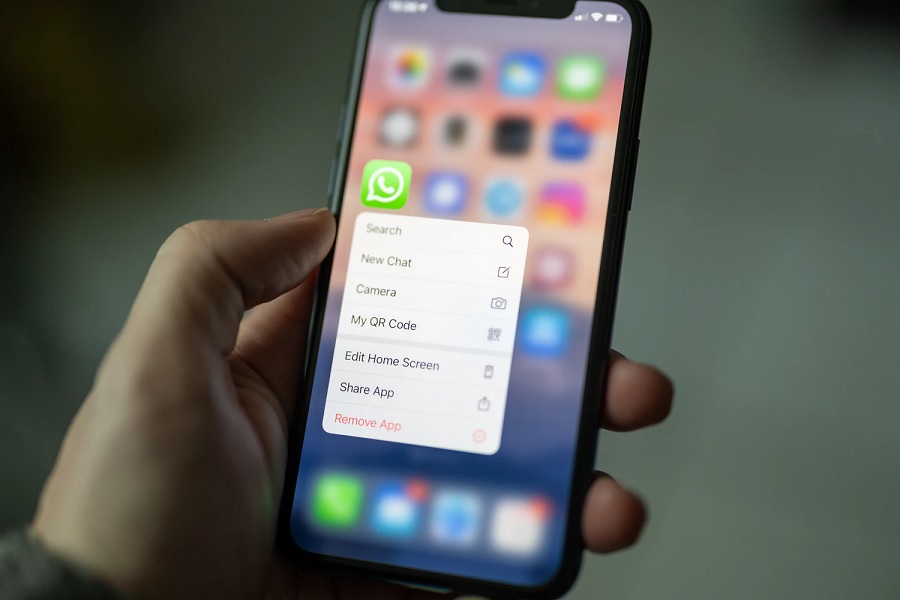
WhatsApp is making headlines again, but not because of its widely discussed privacy policy changes. The messaging platform released an update focused on its desktop app and the WhatsApp Web that adds another layer of security when users log in.
WhatsApp updates PC and web access
While WhatsApp is primarily designed to be used on mobile devices, users can open their accounts and continue chatting with their friends through desktop computers. WhatsApp already has Windows and Mac apps and the WhatsApp Web, allowing people to send and receive messages through browsers and without installing anything.
With the new update announced this week, WhatsApp will require its users to go through biometric authentication before logging in through desktop apps and WhatsApp Web. Before this update, linking WhatsApp accounts to a desktop computer only required scanning a QR code.
Users will now see a prompt on their mobile device asking to confirm their identity through face and fingerprint recognition before scanning the QR code. "The face and fingerprint authentication takes place on your device in a privacy preserving manner - by design, WhatsApp cannot access the biometric information stored by your device's operating system," WhatsApp explained.
Since the app was primarily developed for mobile use, most of the controls for linked accounts to web and desktop platforms are still available on iOS and Android devices. For example, users are notified on their mobile gadgets whenever their WhatsApp account is activated on a desktop app or browser. Linked accounts can also be logged out from the desktop at any time through the mobile app.
WhatsApp delays controversial privacy policy ultimatum
Before this update, WhatsApp has been constantly on the news following its announcement that users will have to agree to its new privacy policy to continue using the app. It brought to light the subject of user data collection for advertising purposes, which does not sit well with many users.
WhatsApp previously told users that they needed to accept the new terms by Feb. 8. Many have responded by finding alternative messaging apps that they deem have more privacy-focused measures, such as Telegram and Signal. Both apps reportedly gained millions of new users over the last weeks, while WhatsApp was forced to delay the ultimatum in accepting its new policy. Instead of Feb. 8, users will have to agree to the changes by May 15.
Featured photo by Dimitri Karastelev on Unsplash







