


 Trump Administration Bars U.S. Travelers From Congo Flights Amid Ebola Outbreak
  Venezuela Appoints Felix Plasencia to Lead Foreign Relations and Trade
  Minnesota Wildfires Spread as Governor Tim Walz Deploys National Guard
  Trump Administration Bars U.S. Travelers From Congo Flights Amid Ebola Outbreak
  Iranian Missile Strike on UAE Oil Tankers Kills Indian Crew Member in Strait of Hormuz
  Trump Tells Congress Iran Hostilities Restarted, Citing New 60-Day War Powers Window
  Reuters/Ipsos Poll: Most Americans Expect U.S.-Iran War to Be Prolonged
  Ukraine, EU Sign Landmark Drone Deal to Boost Defense Production
  Trump Administration Hands Over Key Evidence in Minnesota Immigration Shooting Investigations
  Trump to Deliver National Address on 2020 Election Intelligence, Voting Machine Security
  Russia Launches Missile and Drone Attacks on Kyiv, Zaporizhzhia, and Kharkiv
  Iraq PM Visits Washington as U.S. Oil, Gas Deals Take Center Stage
  EU Weighs New Trade Restrictions on Israeli West Bank Settlements
  UN Says Hamas Disrupted Gaza Aid Distribution, Group Denies Allegations
  Zelenskiy Plans Ukraine Government Shake-Up as Prime Minister Svyrydenko Set to Step Down
  UK Sanctions 24 Russian-Linked Targets Over Cyberattacks and Election Interference
  Trump ICC Sanctions Challenged as Advocacy Groups File Free Speech Lawsuit


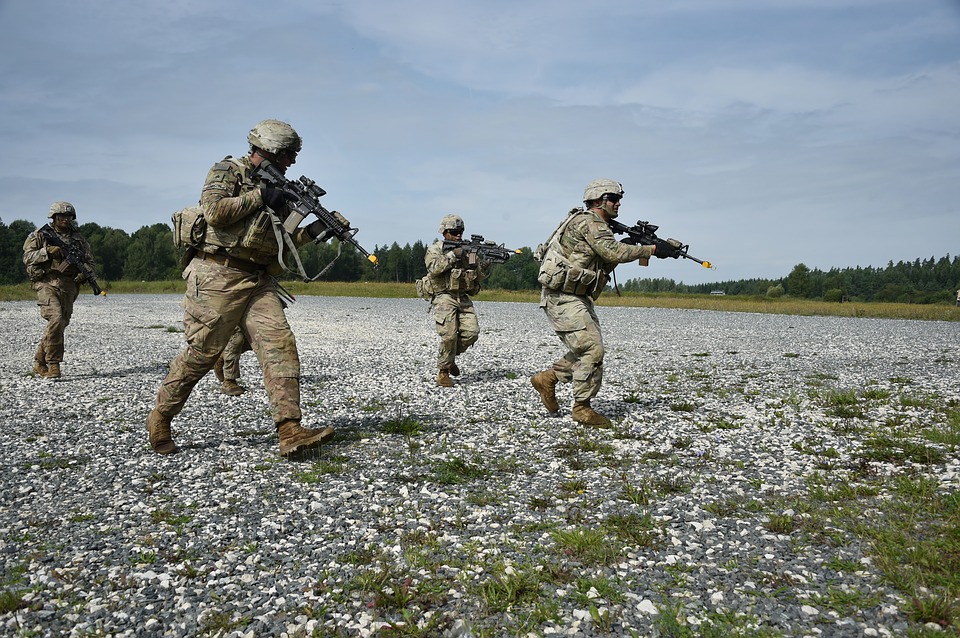
Aside from conflicts over trade, the United States and China are also at odds over control of the highly-contested South China Sea. In a move that could potentially spark an all-out conflict or world war 3, the US is planning to expand its forces in deterring potential Chinese threats.
The conflict over the South China Sea is long believed to be one of the issues that could spark world war 3 in the region. China has insisted on having sovereignty over most of the contested waters, its claims overlap with other surrounding countries, something that Washington stands by in an effort to maintain the peace and keep the waters free. Now, the US is planning on combining its Navy, Coast Guard, and Marine Corps in order to tackle potential threats from China, according to documents outlining the plans.
The documents, titled “Advantage at Sea,” details the US’ strategy in maintaining a presence at the South China Sea. “Our actions in this decade will shape the maritime balance of power for the rest of the century,” said the report that was released in December. “China and Russia’s revisionist approaches in the maritime environment threaten US interests, undermine alliances and partnerships, and degrade the free and open international order. Moreover, China and Russia’s aggressive naval growth and modernization are eroding US military advantages.”
Tensions between the US and China have risen even more especially as Washington has supplied Taipei with arms in its fight to maintain independence from China. China has claimed sovereignty over the island nation as well, but the Taiwanese government has since refused.
There is also the recent announcement made by outgoing US Secretary of State Mike Pompeo regarding the state of communication between the US and Taiwan. Pompeo announced through a statement that the long-running restrictions on communication between the two countries would be coming to an end. Pompeo cited that the US had set up internal restrictions as a way to pander to Beijing and thus the restrictions have been removed in order to establish official contacts with Taiwan.
“Today’s statement recognizes that the US-Taiwan relationship need not and should not be shackled by self-imposed restrictions of our permanent bureaucracy,” said Pompeo.







