


 Arm Stock Falls After HSBC Downgrade, Citing Limited Near-Term AI Upside
  Apple Sues OpenAI, Former Employees Over Alleged Trade Secret Theft
  Morgan Stanley Says China’s Reusable Rocket Progress Poses Long-Term Challenge to SpaceX
  Apple Intelligence Cleared for China as Alibaba and Baidu AI Power iPhone Features
  SK Hynix’s $28 Billion U.S. Share Sale Draws Massive Demand Amid AI Chip Boom
  Apple Tests China's CXMT Memory Chips as DRAM Maker Gains Global Market Share
  Nvidia Invests $500M in Firmus Technologies Ahead of Planned ASX IPO
  TSMC Q2 Revenue Surges 36% as AI Chip Demand Powers Growth Ahead of Earnings
  ASML Raises 2026 Outlook as AI Chip Demand Lifts Q2 Earnings
  DeepSeek Eyes China IPO as AI Startup Seeks $71 Billion Valuation in New Funding Round
  Chinese Chip Stocks Jump as Apple Reportedly Tests CXMT Memory Chips for China Devices
  Australia Flags Child Safety Gaps at Apple, Meta, Google Over Online Sexual Extortion
  SK Hynix Soars 13% in Nasdaq Debut After Record $26.5 Billion IPO
  Trump Administration Launches AI Cybersecurity Partnership to Protect Critical Infrastructure
  SoftBank Corp Partners With Sierra to Expand AI Customer Support Across Japan
  Samsung to Launch First Yongin Chip Plant by 2029 as South Korea Speeds Up Semiconductor Hub
  Elon Musk Says Anthropic Leads AI Race as Claude Models Challenge OpenAI


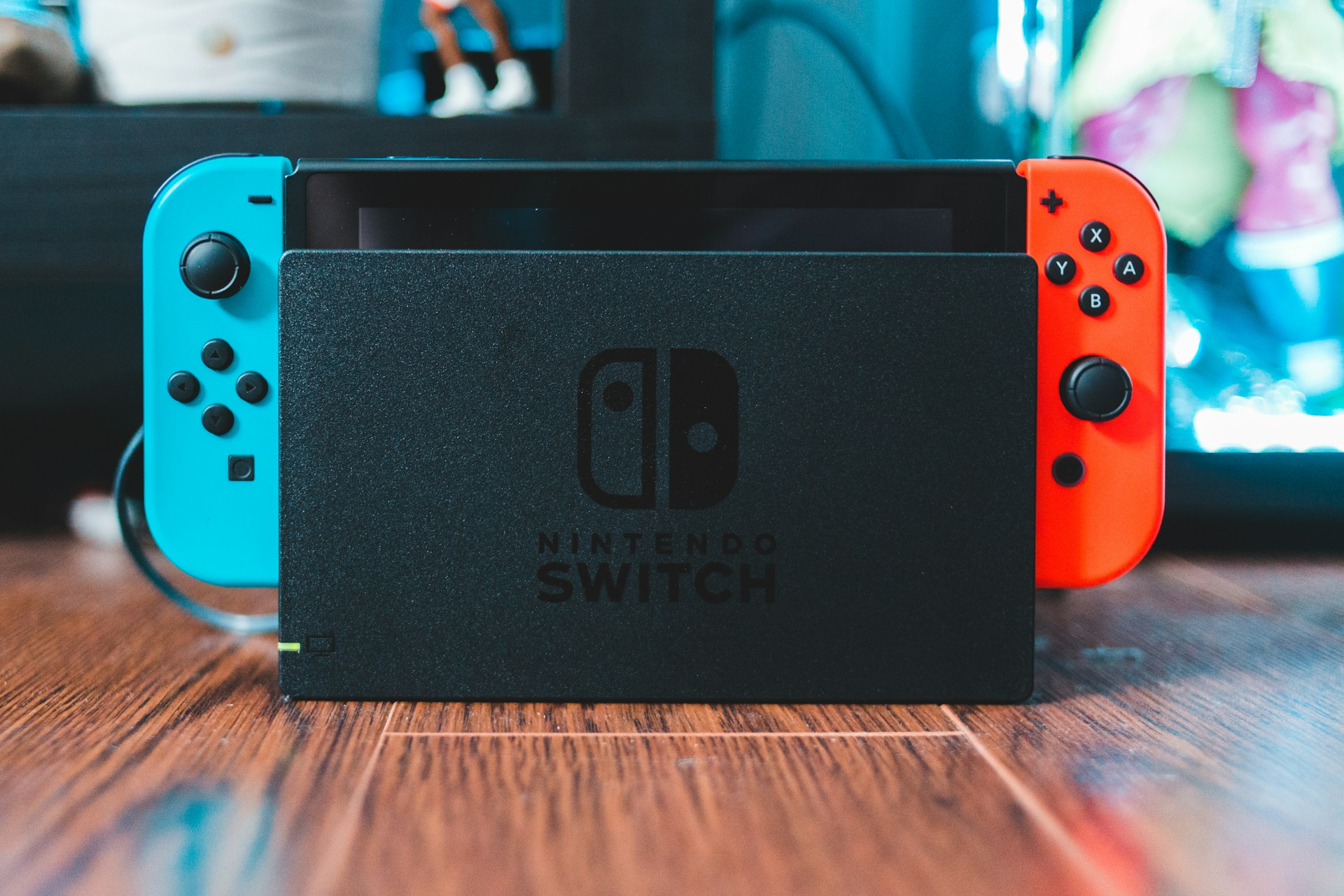
The widely used Yuzu Switch emulator's fate hangs in the balance as developers settle with Nintendo for $2.4 million.
Yuzu's Demise: Public Statement Sparks Concern Among Emulation Enthusiasts
Following its agreement with Nintendo, Yuzu's development team posted a public statement on X affirming the emulator's demise and impending removal from the internet. The timing and language of the statement alarmed emulator enthusiasts, who fear that it portends doom for upcoming emulator initiatives.
Yuzu's manufacturer, Tropic Haze LLC, and Nintendo of America "consent to judgment in favor of Nintendo and jointly move the court for monetary relief in the amount of $2,400,000.00 in favor of Nintendo and against defendant" (joint filing).
By the proposed final judgment and permanent injunction, the Yuzu developers would be legally prohibited from engaging in the following activities: "offering Yuzu or any source code or features thereof to the public, providing, marketing, advertising, promoting, selling, testing, hosting, cloning, distributing, or otherwise trafficking in Yuzu."
In addition, the provisions stipulated that the Yuzu website be discontinued and that the developers return any "physical circumvention devices" or modified Switch consoles to Nintendo. The final verdict has yet to be determined; however, considering the joint filing of attorneys representing Nintendo and Tropic Haze, it is reasonable to assume that Yuzu's future is not promising.
Legal Precedents and the Future of Emulation: Insights from the Yuzu Settlement
Emulation is not inherently unlawful; one could argue that Nintendo designed the Switch to be a monstrous emulator. In contrast, Nintendo filed a suit against Yuzu, alleging that the emulator illicitly circumvented the Switch's game encryption keys and promoted one million unauthorized downloads of Zelda: Tears of the Kingdom before its official release, according to GameRadar.
This is all contingent on a judge's approval, but it is worth noting that this settlement would prevent a rigorous trial of the case in court. A significant emulator trial has yet to occur in the United States since Bleem, a PlayStation emulator commercially available during the PS1's production run. Sony filed a lawsuit against the developers of Bleem, but the emulator developers prevailed, establishing the legality of developing and selling emulation software.
The Yuzu settlement would not alter this precedent. Although this is extremely unfortunate for Yuzu and its developers, emulation will likely continue without significant disruption, particularly for emulators that do not incorporate methods to bypass copy protection.
Photo: Erik Mclean/Unsplash







