U.S. Treasury yields fell as technology shares slid in the week ended Oct. 16, exposing bearish bond positions to a reversal amid concerns about the financing of AI infrastructure.
The U.S. Treasury's daily par-yield data show the 10-year rate dropping from 5.24% on Oct. 9 to 5.09% on Oct. 16, a 15-basis-point decline. Over the same period, the Nasdaq-100 fell from 30,883.15 to 29,187.55, or about 5.5%.
Bloomberg reported that commodity trading advisers began the week with sizable bearish positions in Treasury futures and exited some of them, helping fuel bond gains. The reversal put pressure on investors positioned for further declines in Treasury prices.
Bloomberg described the 10-year yield decline as roughly 17 basis points, compared with the 15-basis-point change in the Treasury's par-yield series. Using its own figure, Bloomberg identified the April 2025 tariff turmoil as the last week with declines of that scale in both the yield and the Nasdaq-100.
Before the reversal, long-term yields had climbed for seven months. Bloomberg linked that rise to persistent inflation and a resilient economy, alongside increased government and corporate borrowing. It said yields had reached their highest levels in more than two decades.
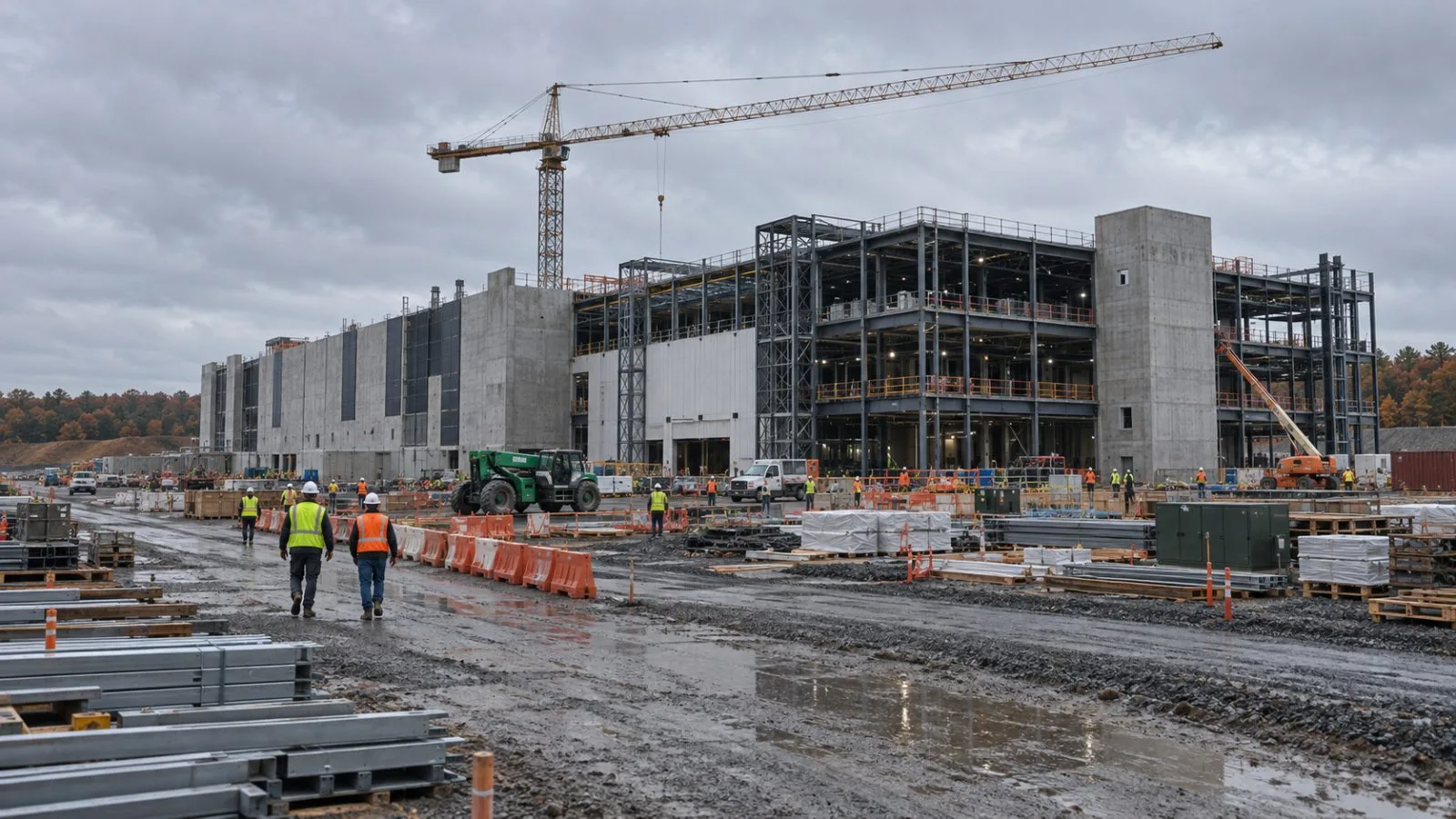
Investment-grade companies had sold about $1.7 trillion of bonds so far in 2026, roughly 29% more than at the comparable point in 2025, Bloomberg reported. Megacap technology companies led the issuance. Bloomberg said borrowing for AI infrastructure increased competition for buyers of Treasury debt.
The technology selloff extended beyond the Nasdaq-100. The Nasdaq Composite lost 4.5% over the week, including a 2.1% decline on Oct. 16, the Associated Press reported. Bloomberg linked the Treasury rally to investors seeking a haven as stocks fell.
Reuters reported that Japanese government bond yields eased on Oct. 19, after the U.S. technology selloff. Reuters also cited Japan's debt issuance pledge as a factor in the move.
Bloomberg reported that rate traders still expected one Federal Reserve increase by the end of 2026 and another in 2027. The Fed's next scheduled policy meeting is Oct. 27-28.