Archaeologists reported 2026 discoveries from a Bronze Age wreck off Türkiye to a communal tomb in the UAE, adding evidence about trade, burial customs and royal restoration work.
At Tell Abu Seify near the Suez Canal, Egypt’s State Information Service said a sandstone lintel found in two pieces bears Ramesses II’s titles on three sides. Its inscription refers to restoration of a statue of Horus, called “Lord of the City of Masn.” The agency said the text adds evidence to efforts to identify the settlement.
Egypt’s government also announced a newly documented site at the Umm Irak Plateau in South Sinai. It includes a sandstone shelter extending more than 100 meters, rock art, inscriptions, flint tools and pottery. Some pottery fragments are thought to date to the Middle Kingdom and Roman period; the announcement gave no firm date for the oldest paintings.
At Tell Muhammad near Baghdad, The National reported possible evidence of food production, metalworking and burials from the era of Hammurabi, around 1750 B.C. Separately, 964media reported that Iraq’s State Board of Antiquities and Heritage plans to protect the site and develop an archaeological park.
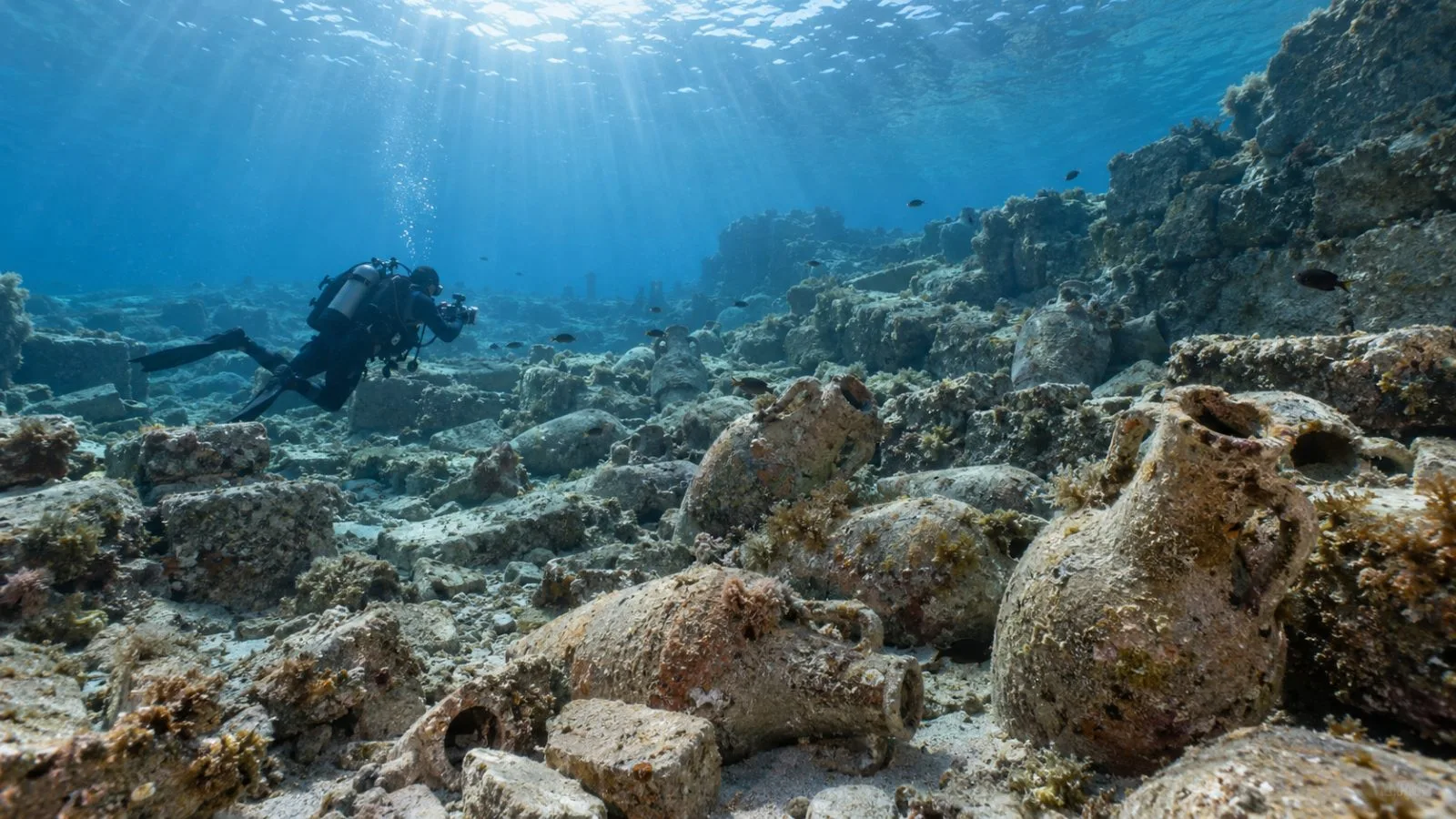
Akdeniz University described the Kekova Island wreck as the world’s oldest, while Türkiye’s Culture and Tourism Minister Mehmet Nuri Ersoy said the team was uncovering traces of the oldest shipwreck. The university dates the recovered amphorae to between 4,400 and 4,700 years ago but gives no separate age for the ship’s wooden structure. Clay analysis points to production in the Jordan Valley, and similar vessels have been found near Giza, Saqqara and Abusir, as well as at Troy and Crete. One amphora, marked nine times and pierced twice, may have been used to make cheese or butter. Researchers suggest the ship may have sailed from the Levant toward Troy or Crete. Excavations began in 2026 under the Antalya Museum Directorate after earlier surveys identified the wreck.
The Department of Culture and Tourism – Abu Dhabi (DCT Abu Dhabi) said a chamber at Al Ain’s Qattarah Necropolis measures about 11 by 2.5 meters. It held communal burials for hundreds of people over at least 1,000 years, from the Wadi Suq period into the Iron Age. Finds included vessels, weapons and personal ornaments. DCT Abu Dhabi dates the cemetery to c. 2000–1300 BCE.
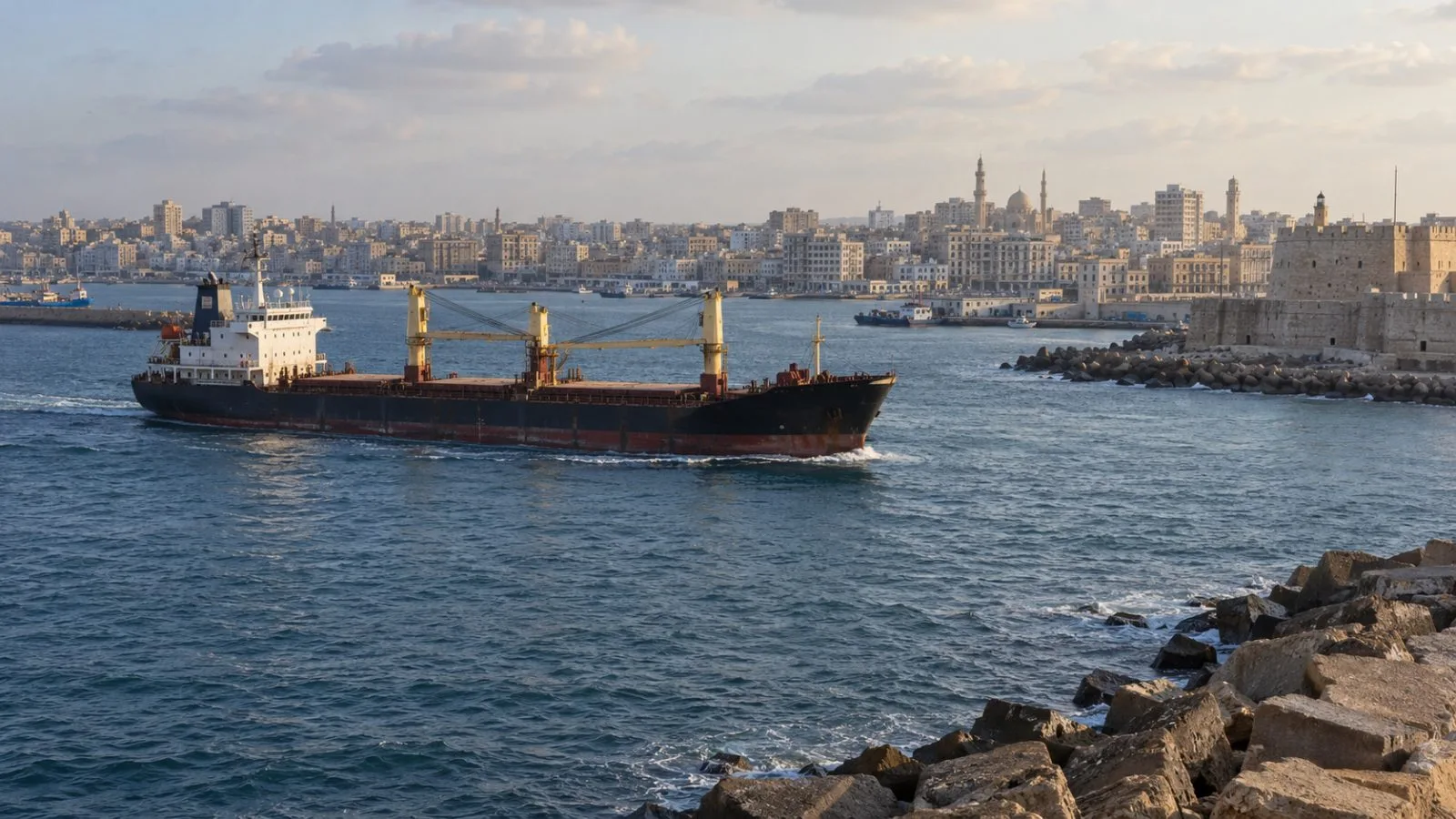
Underwater work at Antirhodos, a submerged island in Alexandria’s ancient harbor, uncovered a bronze signet ring depicting the Lighthouse of Alexandria, the European Institute for Underwater Archaeology said. The image resembles lighthouse depictions on some second-century A.D. coins. The ring was found with intact ceramics from that period, though the institute said the ring itself could be older.