


 Google Pays Publishers for AI Search Content in New Pilot
  Morgan Stanley Raises TD Synnex Price Target to $359 on Strong AI Demand
  Vitalik Buterin Says Hegota Could Be Ethereum’s Last Conventional Fork
  WordPress Malware Uses Ethereum to Evade Removal
  Amazon Eyes $8 Billion Nvidia Chip Spinoff to Fund AI Expansion
  Anthropic Targets $2 Trillion Valuation in Planned IPO
  Micron Forecast Tops Estimates as AI Memory Demand Stays Strong
  DeepSeek, Huawei Partner on Ascend AI Chip Programming Tools
  Polymarket Traders Bet on Trump AI Rename to ‘Super Intelligence’
  DogeOS Launches Testnet to Bring DeFi Apps to Dogecoin
  TSMC Accelerates 2nm Expansion as AI Chip Demand Surges
  California AG Subpoenas OpenAI Over AI Cybersecurity Incidents
  Robinhood Launches AI Agents for Automated Trading
  Pi Network Price Holds $0.087 as Protocol 28 Mainnet Upgrade Nears
  SoftBank Shares Fall After $10 Billion OpenAI Investment
  China Says U.S. Shares Responsibility for AI Governance


 Add as a preferred source on Google
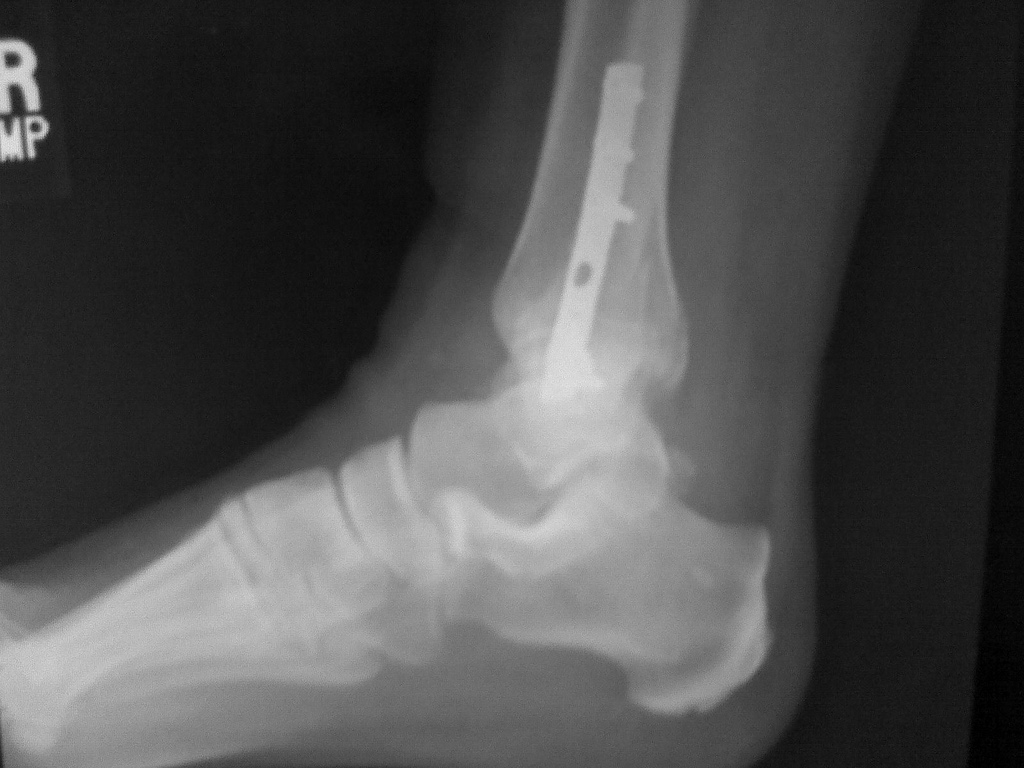
Current medical technology and methods heal broken bones via casts or metal supports. Thanks to a new 3D-printed implant, however, this could change to include an implant that can transform into actual bone. That is to say, the body would not be able to tell the difference, which would make rejection less likely.
The new implant was created by University of Sydney researchers led by Hala Zreiqat, Futurism reports. Using the 3D-printed ceramic material, the scientists were able to repair the bones of smaller animals like rabbits and sheep. There were eight animals in total who were subjected to the experiment and the results were reportedly all similarly successful.
The healing process was not instantaneous, but it still had encouraging results. For example, in the case of the sheep, the subject was able to walk almost immediately with the help of a cast. After three months, the fracture was 25 percent healed and after a year, it was healed by up to 88 percent.
What’s more, the implant actually dissolved in the process, eventually yielding to the growth of new bone and disappearing from the body. As such, the body no longer needed to contend with foreign materials in its system.
Speaking to the New Scientist, Zreiqat noted that the body could not tell the difference between the implant and the actual bones because they have similar compositions. This makes it substantially superior to metal scaffolds, which can be rejected by the body or cause infections.
Another huge advantage that these implants could have is the matter of comfort for the patients. People who suffered broken bones often report problems living normally with bone grafts or other conventional methods of mending fractures. With this 3D-printed implant, the living conditions of patients could improve significantly, perhaps with hardly any noticeable discomfort.







