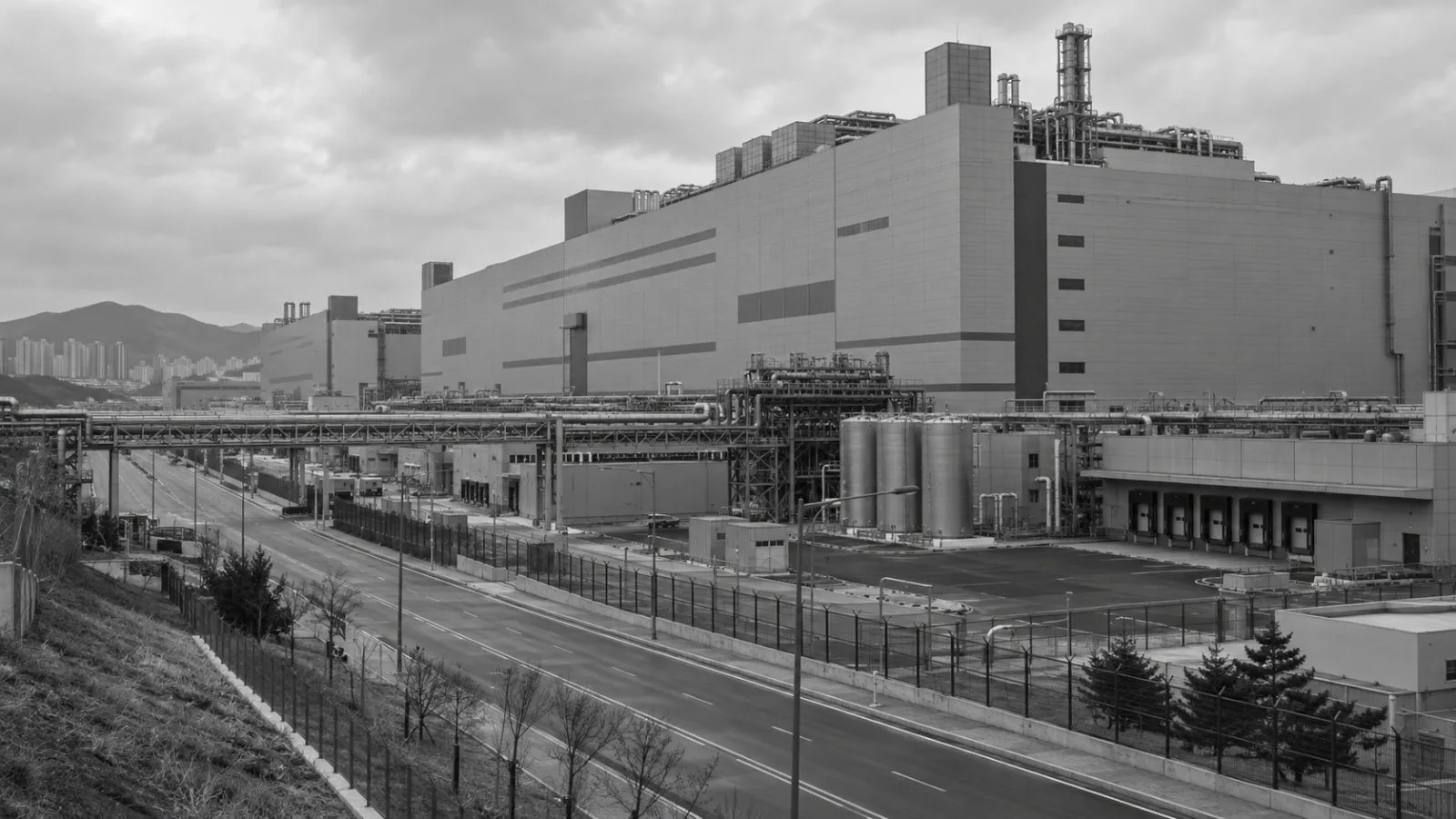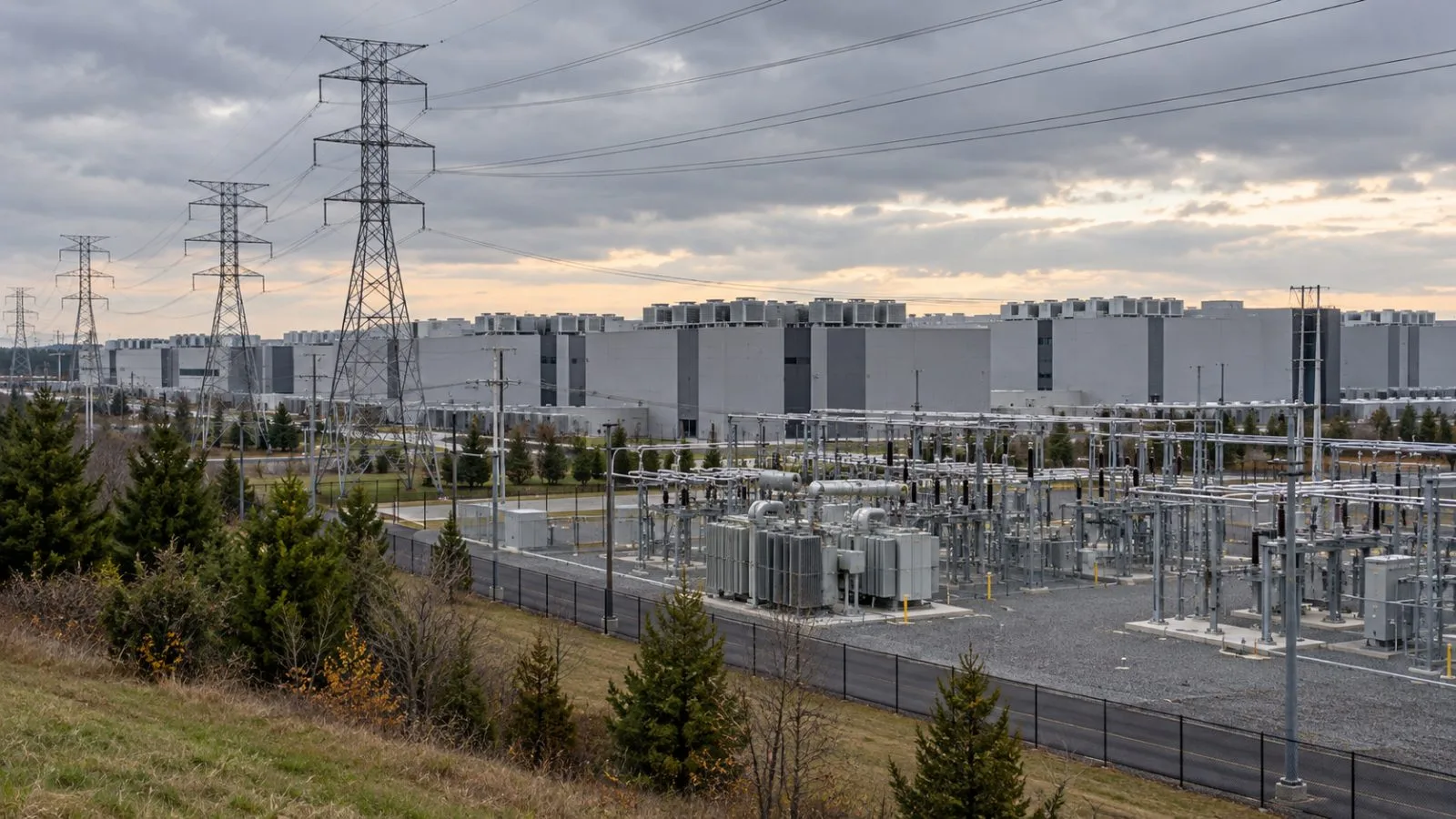
Forecasts of rising data-center electricity use are complicating the case for U.S. utilities as a defensive investment, linking the sector to the artificial intelligence buildout investors may seek to hedge.
On Oct. 21, CNBC Options Action contributor Michael Khouw argued that utilities may not provide clean protection from a downturn in AI-linked shares because data-center demand connects utilities to the same investment cycle. He favored consumer staples and called buying utilities as a hedge in that situation a “Texas hedge.”
Demand estimates underline that connection. The U.S. Energy Information Administration (EIA) expects commercial electricity use, including data centers, to increase 2.8% in 2027 from 2026. Goldman Sachs estimates global data-center power demand will increase 170% from 2025 to 2030, with more than 60% of the growth coming from the United States.
Goldman Sachs estimates utilities’ capital plans at $1.3 trillion for 2026 through 2030. Its research described discussions among utilities and large electricity users about having hyperscalers help pay for new power generation and grid upgrades, including substations. The report did not specify how costs would ultimately be divided. Jason Tofsky, Goldman Sachs’ global head of digital infrastructure investment banking, called power “probably the forever bottleneck.”
The case for defensive exposure also depends on the period measured. State Street data through Sept. 30 put the Utilities Select Sector SPDR ETF (XLU) at a 13.51% annualized net asset value return over three years, compared with 8.28% for the Consumer Staples Select Sector SPDR ETF (XLP). Year to date through the same date, XLU was down 5.71% and XLP was up 5.70%. The figures assume dividends and capital gains were reinvested; they show performance, not investor flows.
Company filings show the buildout’s capital demands. CoreWeave reported $35.551 billion in scheduled future principal payments as of June 30, 2026, and $14.1 billion in cash spending on property and equipment during the first half of the year, up from $3.9 billion in the same period of 2025. IREN reported $13.810 billion in commitments as of June 30, including $13.611 billion payable within 12 months; those commitments include AI hardware and site infrastructure.
The EIA’s next Short-Term Energy Outlook is scheduled for Nov. 10.