A $578 billion debt estimate for the Magnificent Seven, reported by ANI citing SBI Research, puts technology borrowing in focus as Meta’s filing separates debt from future infrastructure commitments.
ANI reported in a Nov. 2 dispatch carried by The Economic Times that the group’s combined debt reached $578 billion by mid-2026, nearly 45% above roughly $399 billion in 2025 and almost 1.7 times its 2023 level. The underlying SBI analysis was not located in the bank’s public research listing. The dispatch did not provide company-level totals or define what it counted as debt. The seven companies are Alphabet, Amazon, Apple, Meta, Microsoft, Nvidia and Tesla.
Meta reported $84 billion in face-value long-term debt as of June 30, 2026. Its filing lists separately $278.99 billion in leases not yet commenced and $349.31 billion in non-cancelable contractual commitments, most of them for third-party cloud capacity and technical infrastructure. Those figures do not establish how the reported group estimate was calculated.
Alphabet reported long-term debt at a carrying value of $98.165 billion on June 30, up from $46.547 billion on Dec. 31, 2025. The company said it issued $20 billion in U.S.-dollar notes and $31.8 billion in foreign-currency notes during 2026 for general corporate purposes, without specifying AI investment as their use.
The Bank for International Settlements (BIS) offered broader context in an Oct. 27 bulletin. It said capital expenditure by the five largest U.S. hyperscalers was expected to top $800 billion in 2026, about 2.5% of U.S. gross domestic product. Their gross bond issuance reached $222 billion by Sept. 22. That group includes Oracle and excludes Apple, Nvidia and Tesla, so the figures do not verify the Magnificent Seven estimate.
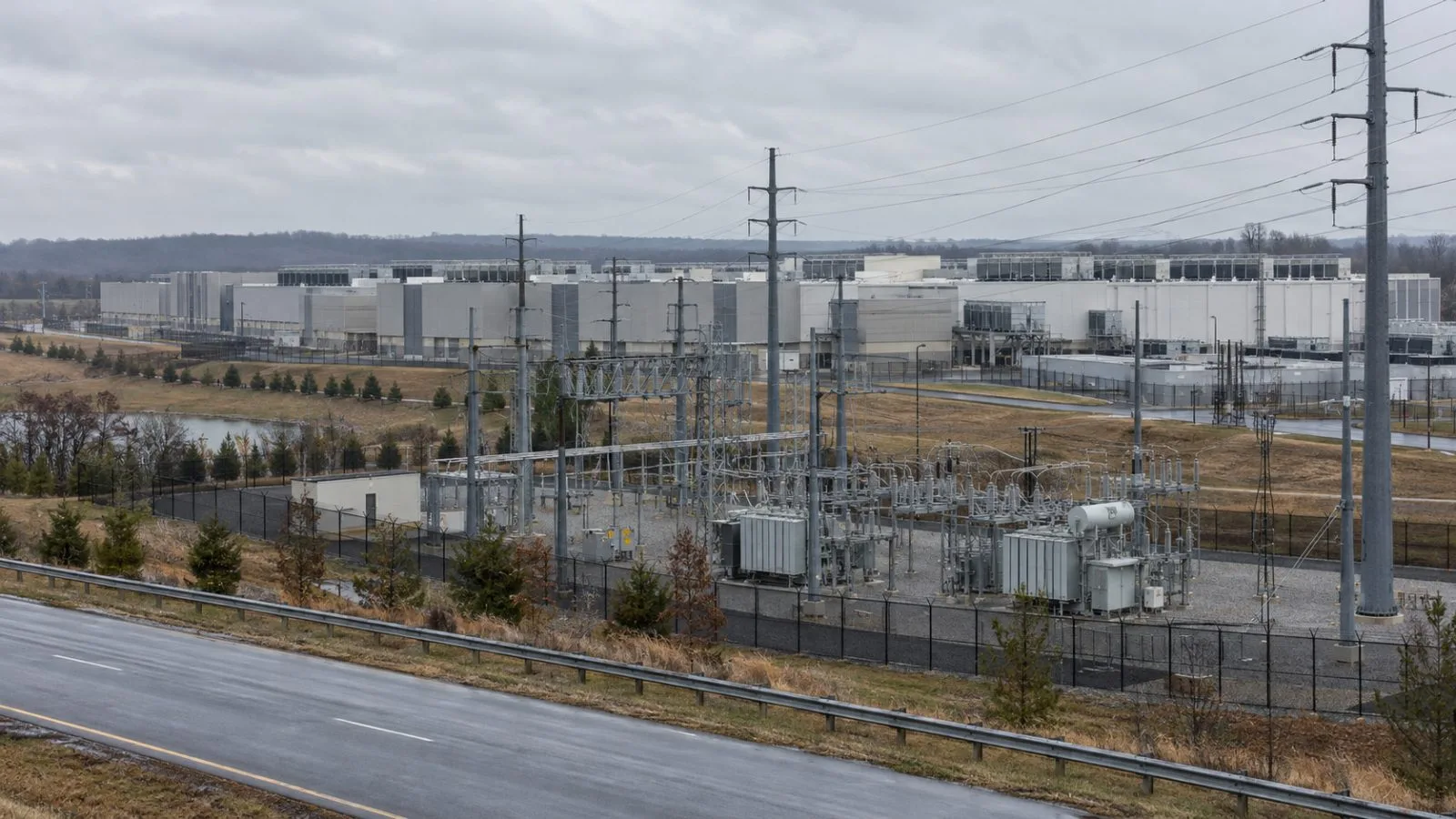
The BIS described data-center financing structures in which separate vehicles borrow while hyperscalers provide leases or other commitments. These arrangements can help hyperscalers secure computing capacity without adding debt directly to their balance sheets; neoclouds and AI labs can also gain access to long-term funding. Investors, funds, insurers and banks could face losses if returns fall short.
On days with AI-financing news in 2026, the BIS found limited movement in U.S. Treasury term premia and investment-grade corporate spreads. It said continued issuance at the current pace could lead to larger, longer-lasting effects. The bulletin also said AI’s productivity impact remains uncertain and questioned whether data-center income, particularly from neoclouds, will cover all related debt. Past credit booms have had mixed outcomes: some repaid their borrowing, while others ended in crises.