Finance ministers from Asia-Pacific Economic Cooperation (APEC) economies agreed to deepen policy coordination and endorsed voluntary guidance on digital infrastructure financing, addressing regional risks and gaps in funding for projects.
At their Oct. 20-21 meeting in Hong Kong, ministers said economies should exchange policy views more closely as they respond to pressures crossing national borders. At the post-meeting news conference, Chinese Finance Minister Lan Fo’an described a consensus on closer economic policy exchanges and practical cooperation in the financial sector.
The joint statement linked a steadier regional outlook to cooperation among economies and efforts to reduce persistent imbalances. It also urged members to keep trade routes open. Ministers pointed to pressures ranging from uncertain policy and fluctuating commodity prices to supply-chain weaknesses and tighter access to financing. They advised governments to consider targeted household assistance while keeping debt under control and protecting fiscal stability. Debt and demographic pressures also appeared among the longer-running challenges identified in the statement.
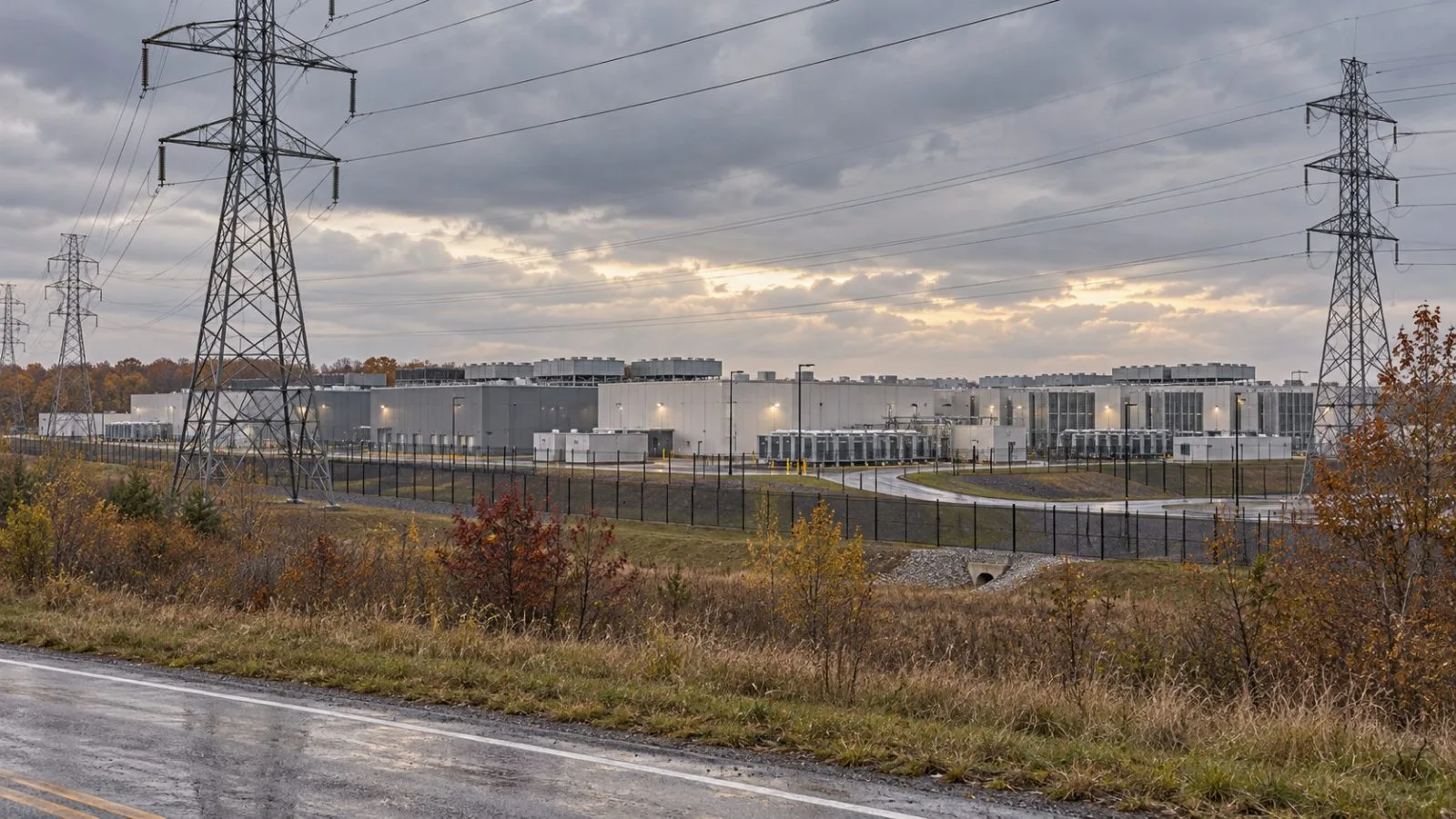
A separate voluntary, nonbinding policy statement addresses financing for digital infrastructure. It encourages governments to use public tools that lower project risks at an early stage, and calls on the private sector to expand financing. Multilateral development banks are asked to help prepare projects. The statement’s recommendations also cover practical conditions for use, including digital skills, compatible systems and connections across borders. It identifies small businesses among those that may gain from broader access to digital services. It ties these steps to wider goals of linking regional markets and expanding economic opportunity.
Some economies face funding shortfalls because policy and regulatory conditions can make it harder to secure financing for digital projects, according to the statement.
The APEC Policy Support Unit forecasts regional growth of 3.2% in 2026, down from 3.3% in 2025, in a projection covered in EconoTimes’ earlier report on the regional growth outlook.
APEC leaders are scheduled to meet in Shenzhen on Nov. 18-19.