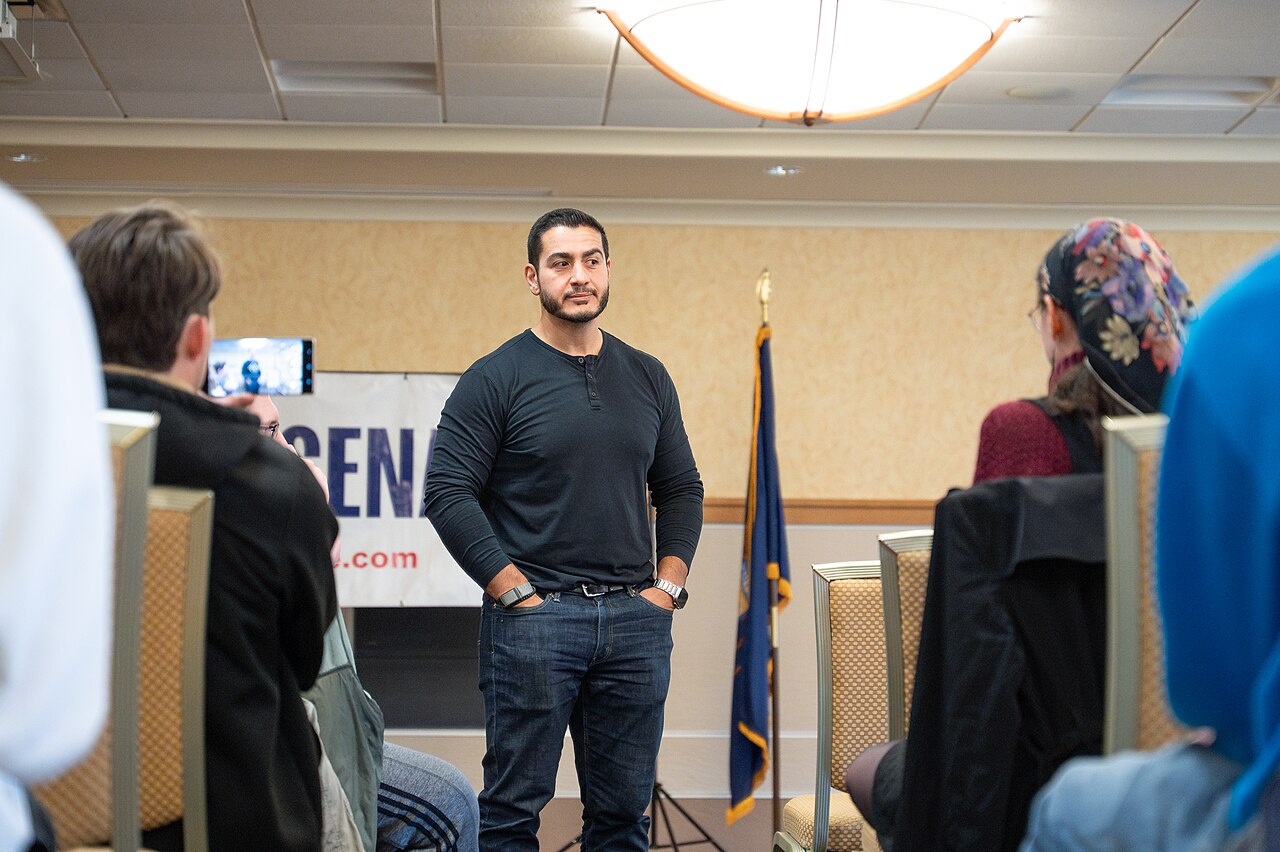
Abdul El-Sayed secured the Democratic nomination for Michigan’s U.S. Senate race, positioning himself for a closely watched general election against Republican Mike Rogers in November. The victory marks a significant moment for progressive Democrats, as El-Sayed becomes the first openly progressive candidate to win a statewide Democratic primary in Michigan since President Donald Trump carried the battleground state in the 2024 election.
The 41-year-old physician built his campaign around expanding healthcare access, addressing economic challenges, and ending unconditional U.S. military aid to Israel. His win highlighted growing support for progressive candidates within the Democratic Party despite an intense primary battle against Representative Haley Stevens, who represented the party’s more moderate wing.
Following the primary, Democratic leaders quickly rallied behind El-Sayed. Senate Minority Leader Chuck Schumer, who had endorsed Stevens, pledged to unite behind the nominee, while Stevens also promised to support his campaign. El-Sayed emphasized party unity, saying shared goals outweigh the differences that surfaced during the primary contest.
Republicans immediately launched attacks, portraying El-Sayed as too liberal for Michigan voters. President Trump called the outcome favorable for Republicans, while Rogers framed the election as a choice between “common sense” and “complete insanity.” GOP groups also began digital advertising campaigns targeting El-Sayed’s progressive platform.
The Michigan Senate race is expected to play a major role in determining control of the U.S. Senate. Democrats must defend key battleground seats, including Michigan, while flipping several Republican-held seats to regain a majority. Political analysts say El-Sayed’s outsider message resonated with Democratic primary voters seeking change, although his progressive policies could become a central issue during the general election campaign.
El-Sayed also faces the challenge of broadening his coalition after a competitive primary. Analysts noted that Stevens performed better among many working-class and Black voters, while El-Sayed attracted strong support from white college-educated voters and younger progressives. His opposition to unconditional military aid to Israel also appealed to many voters in Michigan’s large Arab American communities. If elected in November, El-Sayed would become the first Muslim to serve in the U.S. Senate, while continuing efforts to reassure Jewish voters of his commitment to their safety and security.