A 24-month Abu Dhabi study will examine whether smart-ring readings can warn doctors of spontaneous preterm labor in time to consider treatment or arrange specialist neonatal care.
The Department of Health – Abu Dhabi (DoH) and wearable-technology company ŌURA announced Project CRADLE on Oct. 21 at the Abu Dhabi Future Health Summit. The study will focus on women with elevated-risk pregnancies.
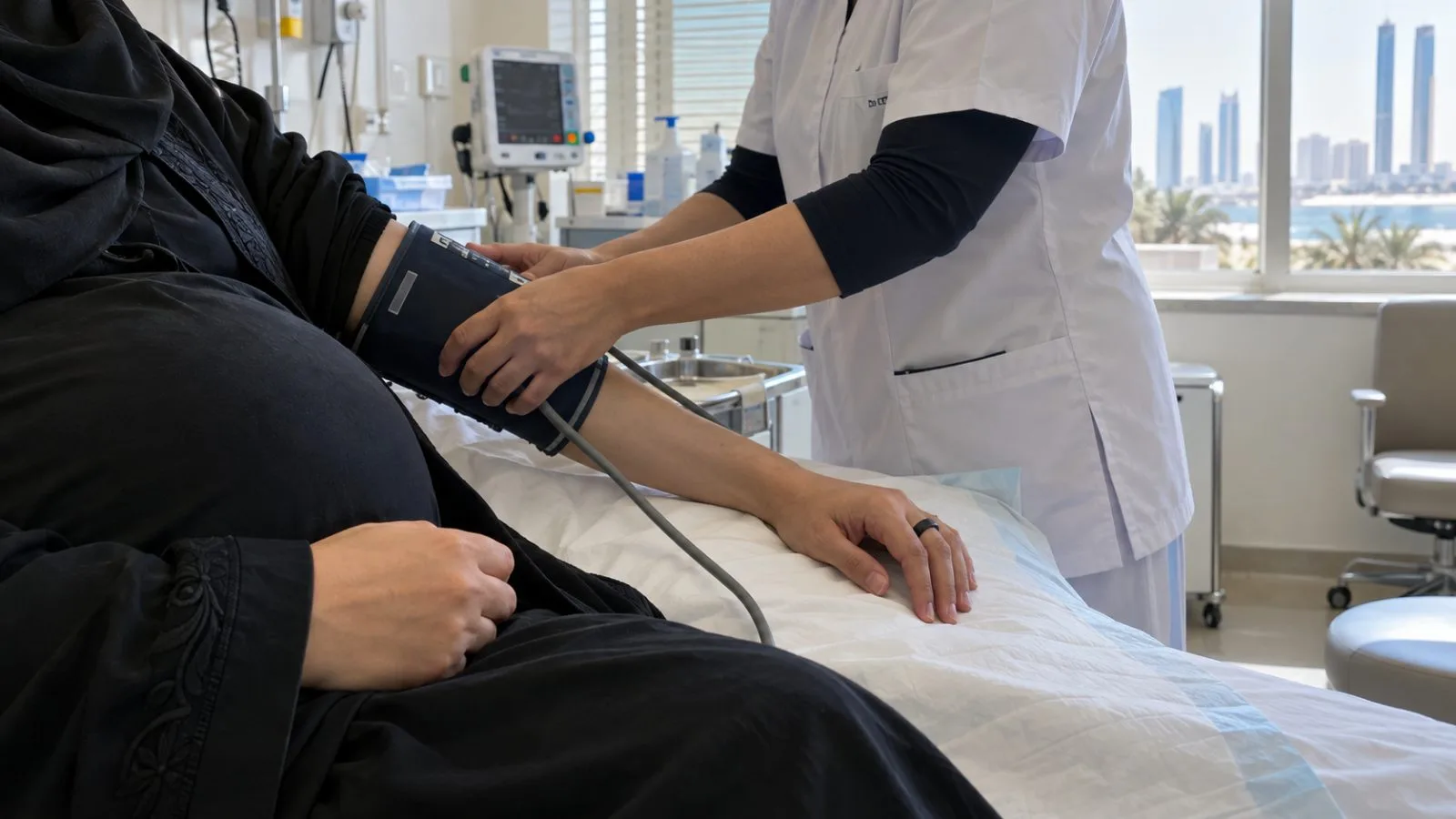
Women who consent to participate will wear an Oura Ring from early pregnancy until delivery. Researchers will compare heart rate, heart rate variability, sleep and activity readings with pregnancy outcomes, using Abu Dhabi’s clinical and genomic data. Corniche Hospital and Mediclinic Airport Road are the first participating hospitals.
The test is whether patterns found across many pregnancies can become a dependable warning for one patient soon enough to guide her care. An early warning could give clinicians time to consider treatment or prepare specialist neonatal services. Participants will continue to receive standard clinical care during the study.
Existing research does not answer that question. In a 2025 observational study, ŌURA researchers examined data from 10,318 pregnancies, including 324 preterm births. The authors identified patterns across the group, but the study did not establish that the ring can predict preterm birth in an individual patient. They also noted self-reported outcomes, limited clinical information and possible demographic bias.
The World Health Organization (WHO) estimates that 13.4 million babies were born before 37 completed weeks of pregnancy in 2020, more than one in 10 births worldwide.
Project CRADLE follows a broader DoH–ŌURA research partnership announced in May 2026. DoH Undersecretary Dr. Noura Khamis Al Ghaithi described its aim as “building the evidence to guide more timely care.”
Recruitment is expected to begin in the coming weeks. The partners expect to publish results in 2028; wider clinical use would depend on the findings and regulatory approval.