Alaskan Command said an experimental radar setup detected military aircraft beyond line of sight during its final Alaska flight trial, as researchers assess whether it can supplement Arctic air surveillance.
A three-year experiment reached its last flight test Sept. 7-11, while analysis of the data continues. The question is whether the setup can supplement current long-range radar sites. The preliminary results do not establish that any participating aircraft was outside those sites’ coverage.
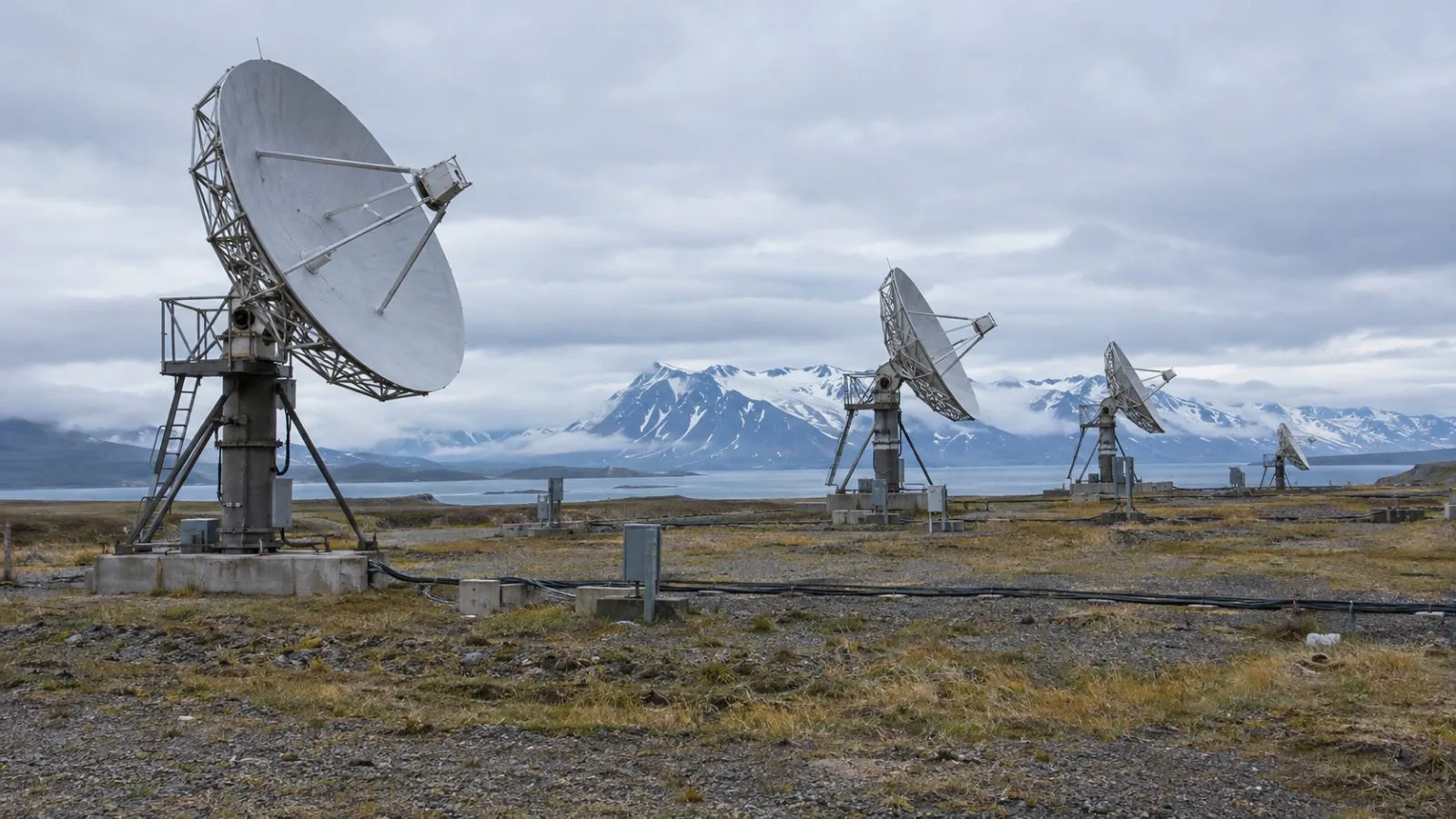
Near Gakona, researchers used a University of Alaska Fairbanks transmitter from the High Frequency Active Auroral Research Program (HAARP); MITRE developed the receiver array in Cold Bay. A U.S. Air Force photo caption identifies 16 receiving elements at Cold Bay. The university says HAARP’s Ionospheric Research Instrument occupies 33 acres; its 180 antennas can radiate 3.6 megawatts.
KC-135 Stratotankers, an E-3 Sentry and HC-130J Combat King IIs flew over the Gulf of Alaska and Bering Sea as cooperative targets. Their positions were known to the researchers. Alaskan Command said initial detections corresponded to the flights and the team met or exceeded its test execution objectives.
Alaskan Command has published no range or accuracy figures, nor any findings on aircraft with positions unknown to researchers. Alaskan Command chief scientist Dr. Carolyn Stwertka said collecting data in operating conditions was necessary to assess what the technology can do in the Arctic.
Severe weather, sparse infrastructure and the size of the region complicate air surveillance around Alaska, according to Alaskan Command. Canada’s Department of National Defence says the ionosphere can carry radar signals beyond Earth’s curvature. Canada and Australia are developing a separate Arctic over-the-horizon radar system, for which Canada anticipates initial capability by December 2029.
For the Alaska experiment, the next step is detailed analysis of the flight data. Alaskan Command has not announced a deployment decision.