Alaska’s Senate candidates are offering competing plans for pollock trawling, a fishery with more than 3 billion pounds of landings in 2024 and salmon bycatch at the center of the campaign debate.
The race features incumbent Sen. Dan Sullivan and challenger Mary Peltola. Sullivan supports federal rules designed to reduce bycatch and seafloor impacts; Peltola’s campaign proposes a factory-trawling ban, electronic monitoring and keeping mid-water trawlers from fishing along the seafloor. Her campaign announced its fisheries plan June 17, a week before Sullivan introduced his bill.
Sullivan introduced the Bycatch Reduction Act, S. 4938, on June 24. It would require escape features for salmon and combine trawl-equipment performance standards with technology to flag seafloor contact. The Senate Commerce, Science, and Transportation Committee advanced the measure with a Sullivan substitute on Sept. 16.
On Sept. 23, Sullivan requested unanimous consent to pass the measure immediately. Sen. Ed Markey objected, saying he needed time to consult fishing interests in Massachusetts. The Congressional Record records the objection but no roll-call tally on S. 4938.
The National Oceanic and Atmospheric Administration (NOAA) reports that 2024 Alaska pollock landings from the Bering Sea and Gulf of Alaska exceeded 3 billion pounds and were valued at about $432 million. NOAA’s 2025 annual report counted 19,797 Chinook salmon caught incidentally in the Bering Sea pollock trawl fishery and 13,122 in the Gulf of Alaska fishery.
A federal order restricted gillnet use and coho harvest in specified federal public waters in the Kuskokwim River drainage from Aug. 12 to Sept. 15. Federally qualified subsistence users could still use some other methods to catch other species.
NOAA identifies warm ocean conditions and changes in the amount and quality of food for juvenile chum salmon as factors affecting western Alaska chum salmon.
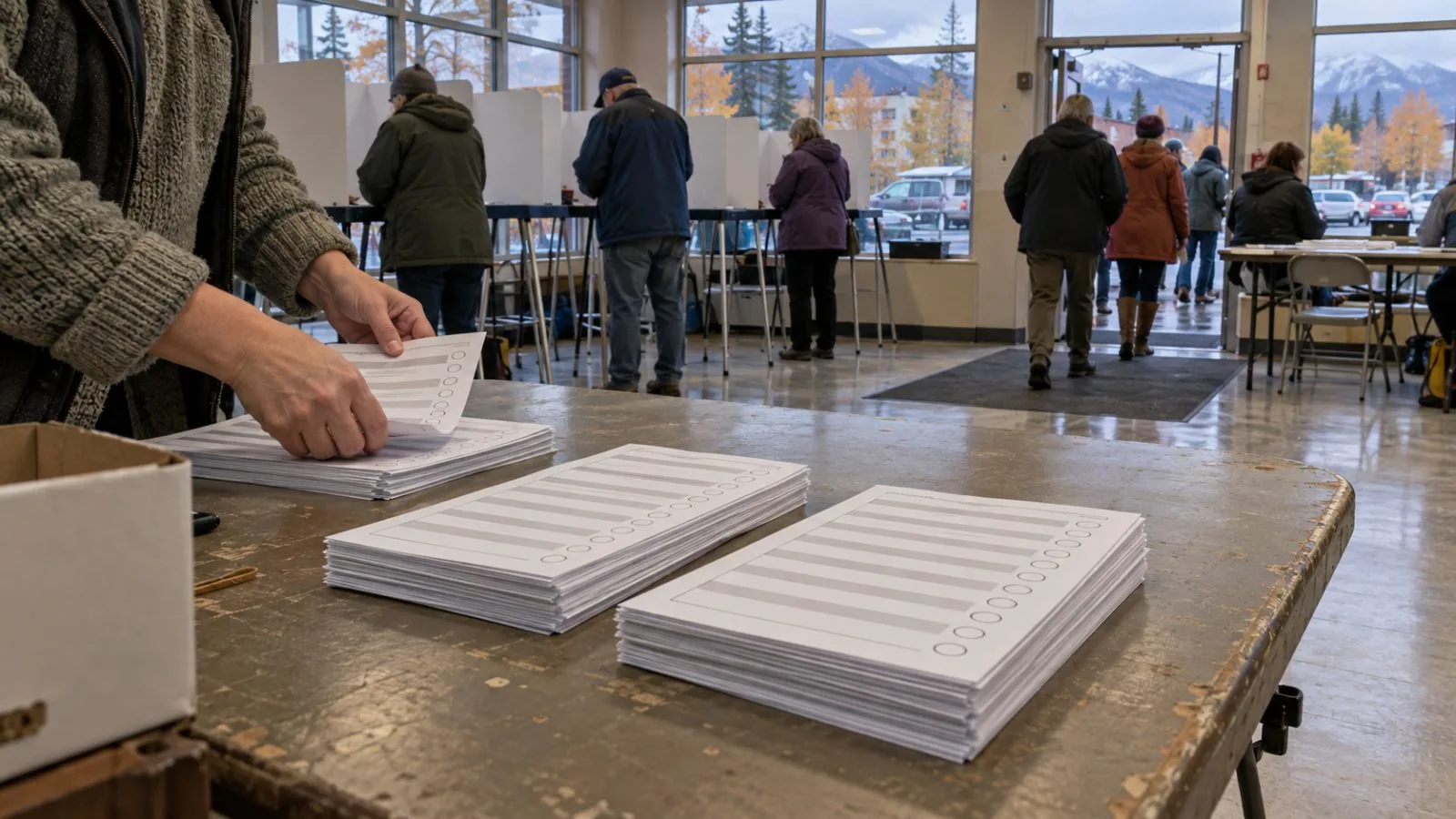
Alaska’s general election is scheduled for Tuesday, Nov. 3.