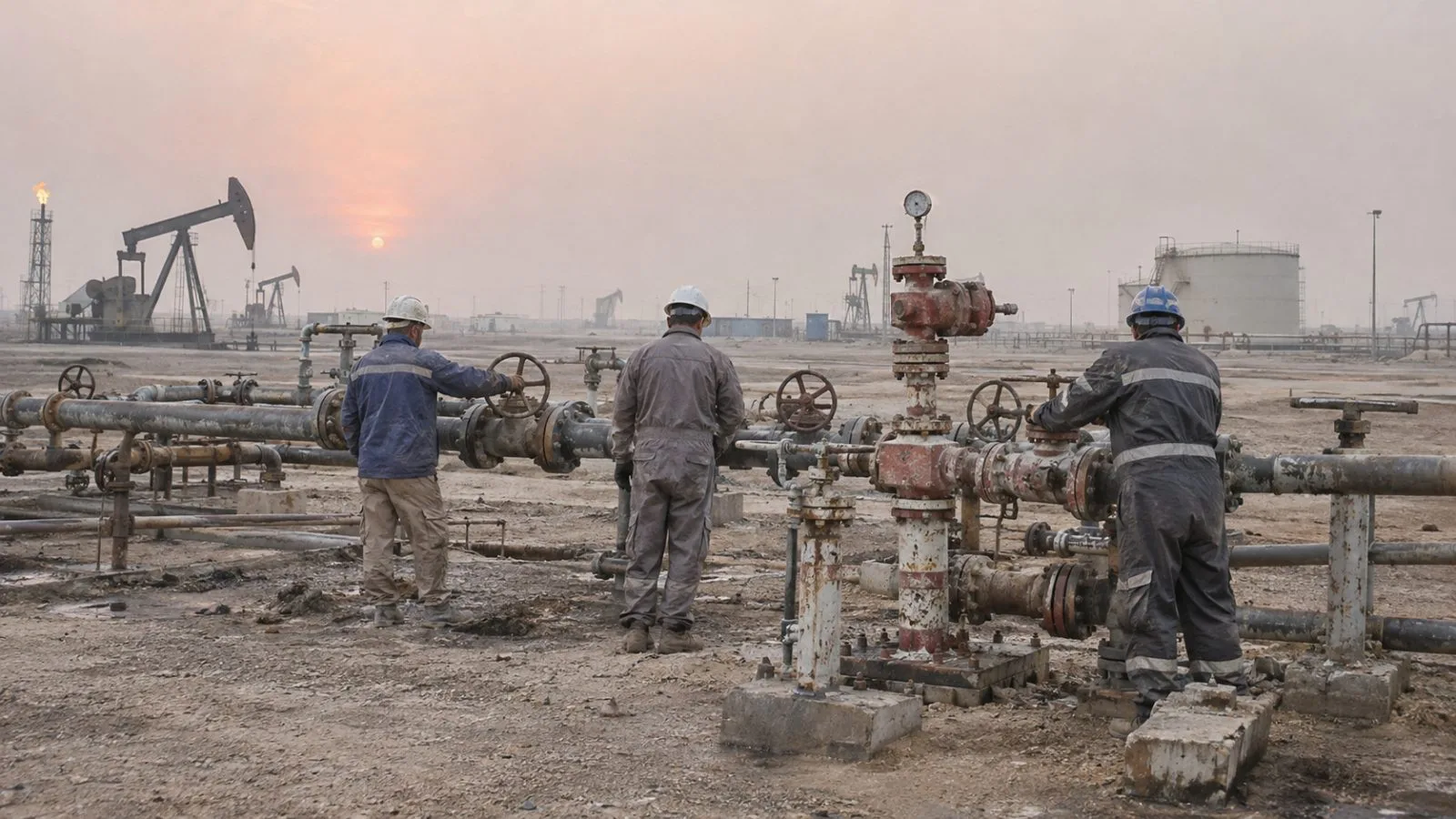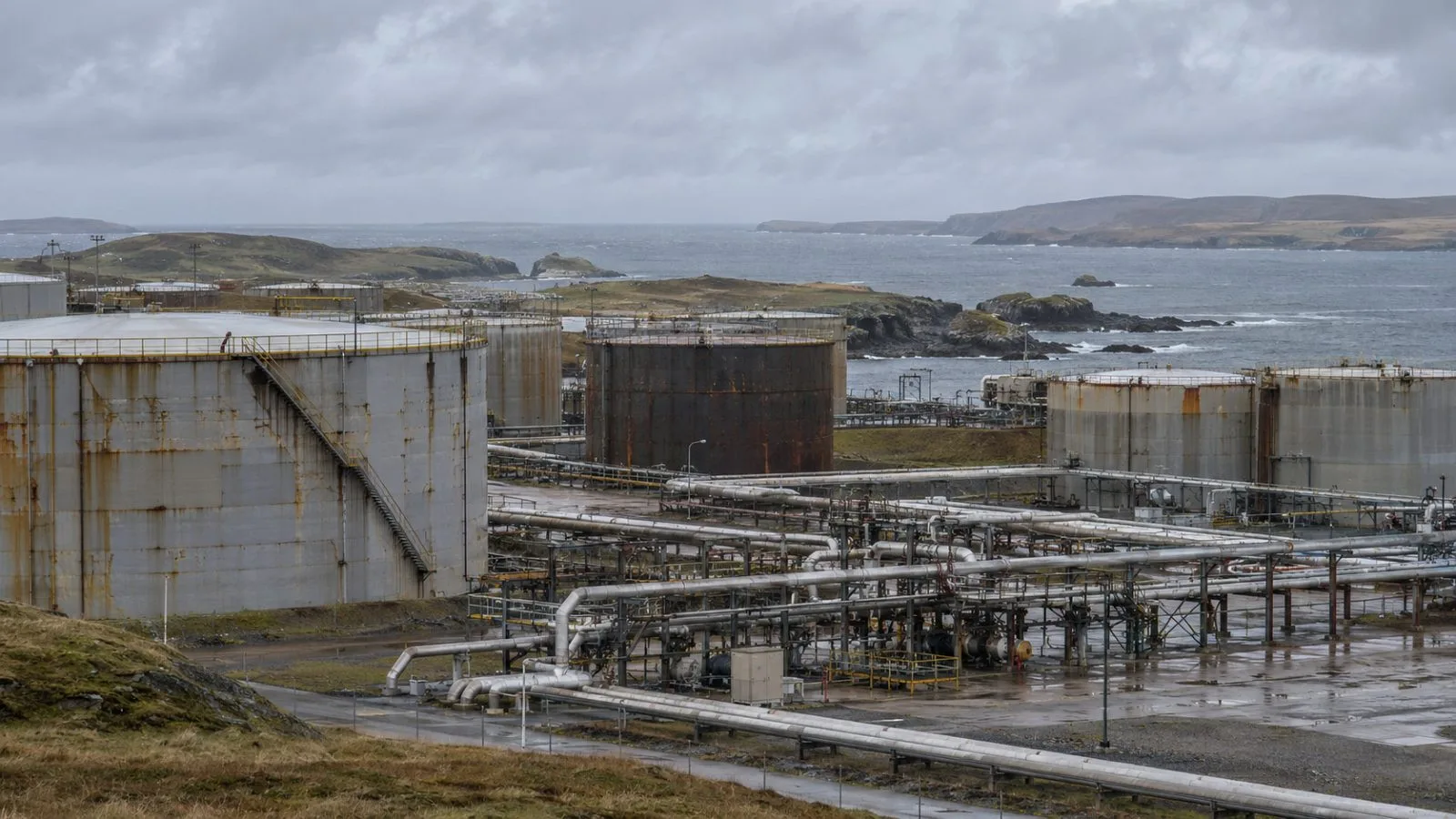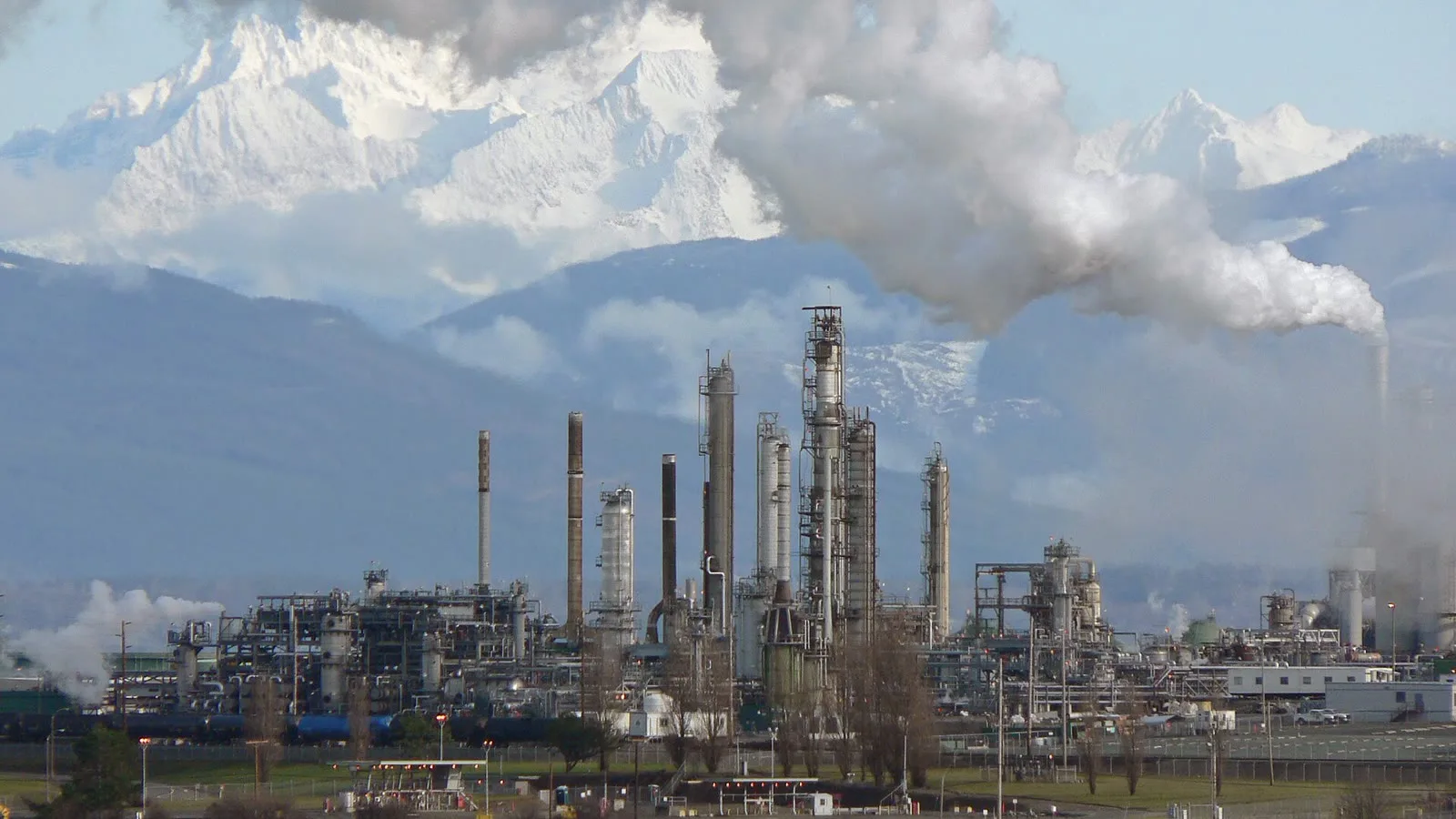
Alaska's crude oil production is forecast to rise 13% in 2027, driven by two projects on the state's North Slope, the US Energy Information Administration said on Nov. 12.
Output would reach its highest level since 2014, the agency said in its Today in Energy article. The article was titled “EIA forecasts Alaskan crude oil production to grow 13% in 2027.” The forecast marks a change after decades of declining production in the state.
The agency expects Alaska to produce 505,000 barrels a day in 2027, an increase of 60,000 barrels a day from 2026. That follows a projected increase of 23,000 barrels a day, or 6%, this year.
The projections come from the agency's November 2026 Short-Term Energy Outlook, which provides its latest estimates for production this year and next. The article also draws on quarterly production figures and seasonal comparisons covering the five years from 2021 through 2025.
If the forecasts are realised, the annual increases would be Alaska's largest since the 1980s, the agency said. Production in the state peaked at 2 million barrels a day during that decade, putting the expected gains against a much higher historical level.
The agency attributed the recent growth to two projects on the North Slope. It identified the start of production at Pikka Phase 1 as a factor in the increase already recorded in the third quarter of 2026.
Third-quarter output grew 4% as Pikka Phase 1 came online, the agency said. It described that rise as Alaska's first third-quarter production increase in more than 40 years, breaking a longstanding seasonal pattern of lower output during that part of the year.
Alaska's oil production typically falls in late summer because operators carry out annual maintenance, the agency said. Over 2021-2025, third-quarter production averaged 7% below first-quarter levels, providing the seasonal comparison for the latest quarterly increase.
The agency's figures therefore cover both growth already recorded in 2026 and further increases it expects through 2027. The third-quarter gain accompanied the opening of Pikka Phase 1, while the annual projections reflect growth attributed to the two North Slope projects.
The agency qualified its historical comparison by making it conditional on the production forecasts being met. Its projected return to the highest output since 2014, like the expected annual increases, remains a forecast for 2027.