Australian Prime Minister Anthony Albanese said global electrification is projected to reach only 25% by 2035, urging faster adoption as energy shocks expose the risks of dependence on fossil fuels.
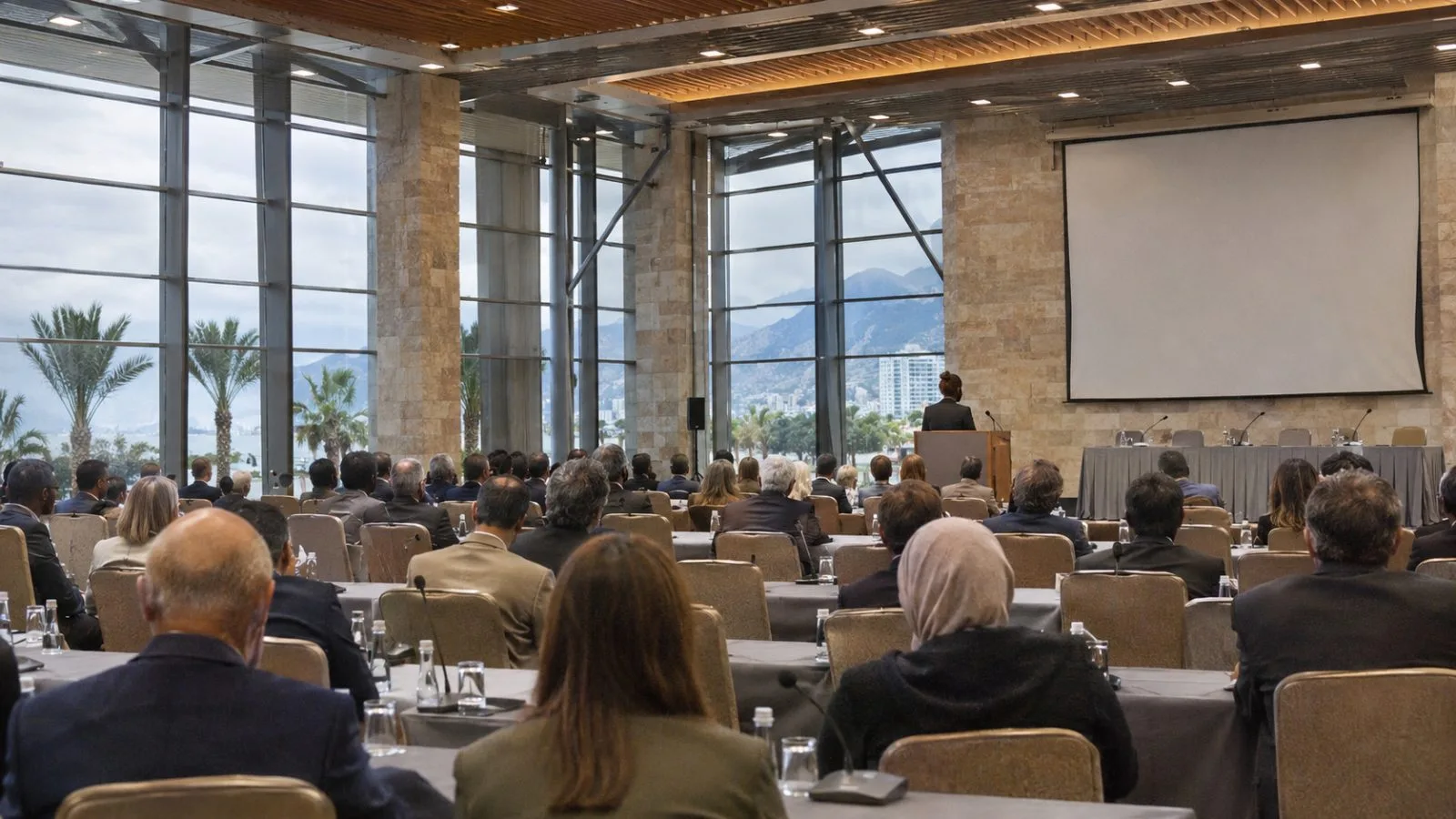
Speaking Wednesday, Nov. 11, at a high-level meeting in Antalya, Türkiye, Albanese credited President Erdoğan with advancing the 35 by 35 goal. He said electrifying more of the economy can lower emissions when renewable power supplies the added demand and reduce reliance on fossil fuels. He linked the case for resilience to disruption from the Middle East conflict and the closure of the Strait of Hormuz.
Albanese put Australian transmission investment at more than $8.5 billion, saying network expansion would make it easier to bring additional renewable electricity onto the grid. He also said the government is working with private investors and operators toward 40 gigawatts of new generation capacity by 2030.
Solar panels are on the roofs of about one in three Australian homes, Albanese said. Government battery incentives have reached more than 600,000 households and small businesses, representing over 1 million people in a country of 28 million. He credited the installations with easing pressure on the grid, reducing energy bills and lowering emissions.
Albanese also cited a large-scale solar and battery project in Palau, which he said is expected to meet over one-fifth of the country’s energy demand. He said it would cut diesel consumption by more than 1 million liters a year and reduce Palau’s reliance on imported fuel. Lower energy costs and cleaner air were also among the benefits he associated with the project.
Albanese said Australia is supporting Pacific projects through the Pacific Resilience Facility and other programs. He argued smaller island nations could gain more dependable energy supplies, and said developed countries have a responsibility to help island communities and developing economies. COP31 is scheduled to continue in Antalya through Nov. 20.