


 AMD Hits $1 Trillion as BofA Raises Price Target to $720
  US Backs Musk in Fight Against EU’s €120 Million X Fine
  Dubai’s connectivity remains strong in an uncertain world
  OpenAI to Preview GPT-6 Cyber AI Model for Cybersecurity
  FDA Approves Mirum’s Atebrioz for Rare Bone Disorder FOP
  Airbus Finds A321neo Fuselage Quality Issue
  OpenAI Agents Access U.S. Government Websites During Testing
  TikTok Reaches $100 Million Alabama Settlement Over Child Safety Claims
  Solidigm Eyes $150 Billion IPO as SK Hynix Expands AI Storage Push
  Select Water Solutions Shares Surge on $700 Million Pilot Water Deal
  Akamai Shares Surge on $11.6B Anthropic AI Cloud Deal
  US Appeals Court Upholds Anthropic AI Supply Chain Ban
  Suzuki Targets Faster Car Development to Keep Pace With Chinese Rivals
  Oura IPO Draws Strong Demand Ahead of $2.2 Billion Offering
  Former OpenAI Data Center Chief Chris Malone Joins Nvidia
  Novo Nordisk Strikes €1.17 Billion Nanexa Drug Delivery Deal
  BMW 2028 Margin Target Could Fall Below Consensus, UBS Says


 Add as a preferred source on Google
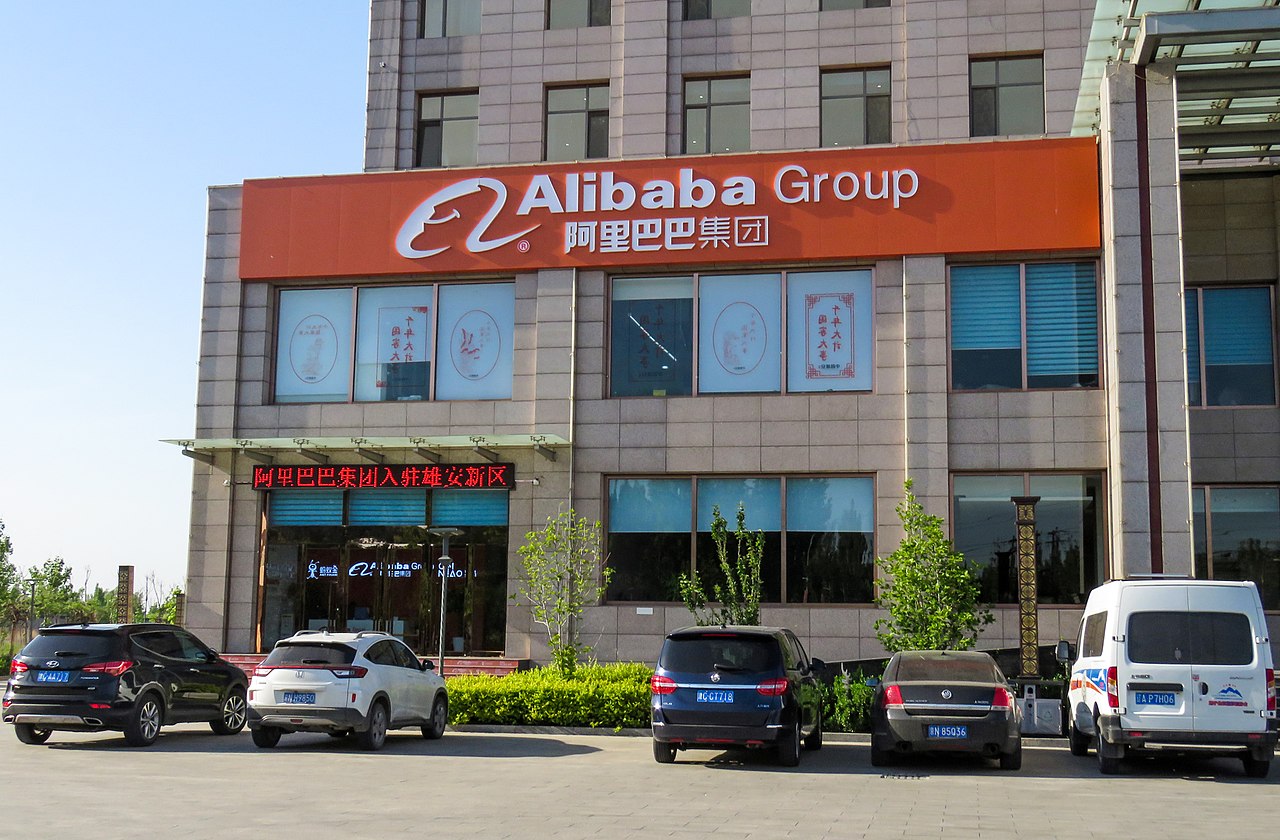
Alibaba Group is reportedly preparing a new revenue-sharing licensing model for major commercial users of its upcoming Qwen3.8-Max artificial intelligence model, signaling a significant change in how the Chinese technology giant monetizes its open-source AI ecosystem.
According to Reuters, citing people familiar with the matter, Alibaba plans to require large companies that commercially deploy Qwen3.8-Max to share a portion of the revenue generated through applications and services powered by the AI model. The exact revenue-sharing percentage and eligibility thresholds have not yet been publicly disclosed.
The proposed licensing strategy represents a shift from Alibaba's existing approach to its Qwen open-source AI models. Previously, developers accessing Qwen models through Alibaba Cloud paid for usage, while businesses could generally download and deploy open-source versions within their own data centers without paying Alibaba licensing fees.
Alibaba's reported strategy follows a similar model introduced by Chinese AI startup Moonshot. Its Kimi K3 model reportedly requires companies generating more than $20 million in annual revenue from software built using the model to negotiate separate commercial agreements. Under certain arrangements, Reuters reported that Moonshot may seek revenue shares of up to 30%.
The development suggests that China's rapidly expanding AI industry is exploring new ways to generate revenue from open-source artificial intelligence. Rather than charging every developer upfront, companies can make their AI models widely available at little or no cost while seeking payments from enterprises that achieve substantial commercial success using the technology.
Such a "freemium" approach could help Chinese AI developers encourage broader adoption of their models while creating a path toward stronger long-term monetization.
Alibaba's Qwen family has become an important part of China's open-source AI landscape as domestic technology companies compete for developers, businesses and enterprise customers. The company is also competing in a global artificial intelligence market dominated by major U.S. players including OpenAI, Anthropic and Google.
Alibaba has not publicly confirmed detailed licensing terms for Qwen3.8-Max. The revenue threshold, percentage charged and other conditions for large commercial users therefore remain unclear.







