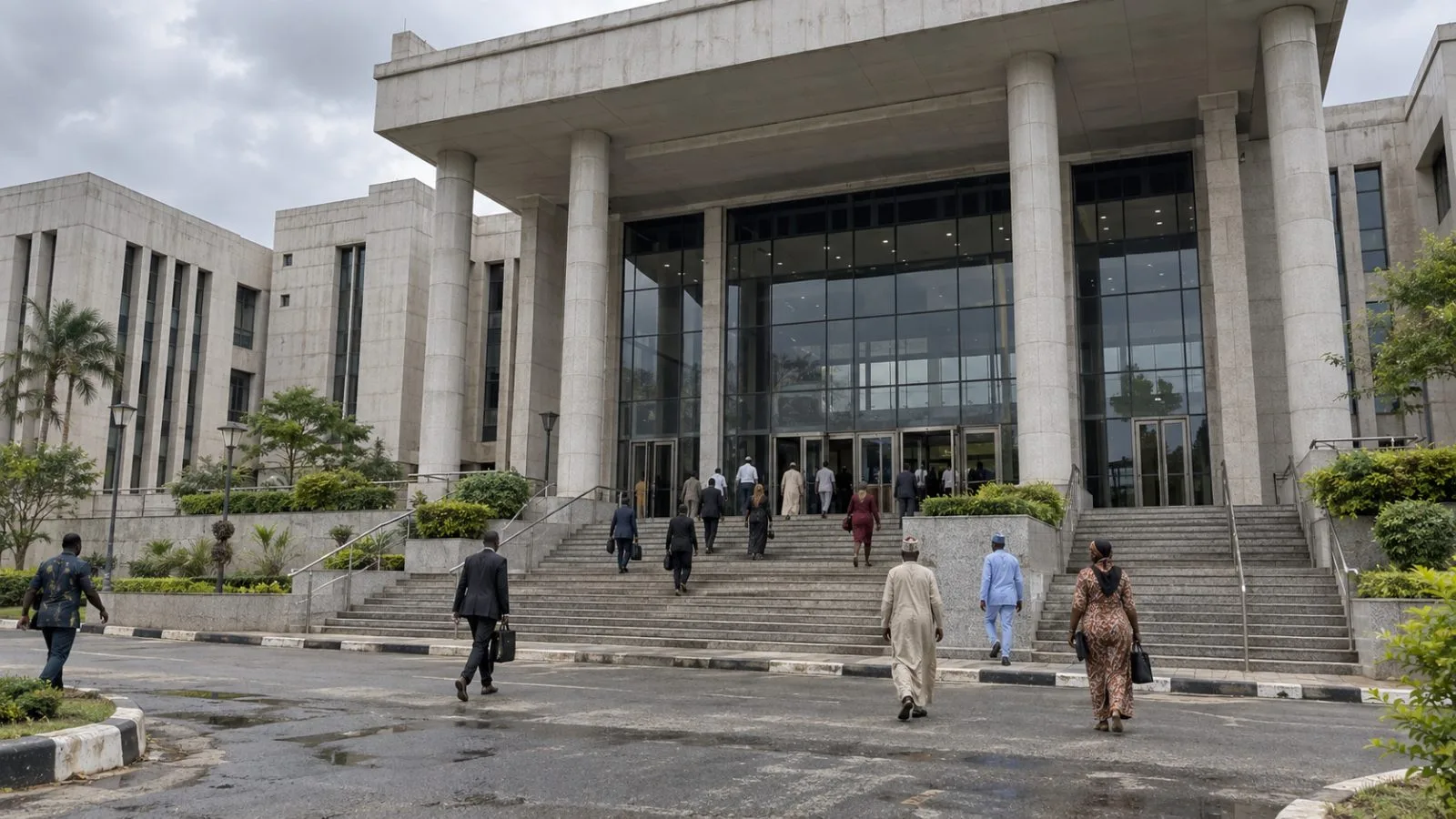
Amazon has told New York City officials that a proposed delivery-worker law could put more than 5,000 contractor jobs at risk and prompt the company to consider moving delivery operations outside the city.
The Delivery Protection Act, sponsored by Council Member Tiffany L. Cabán and backed by Mayor Zohran Mamdani, would generally require operators of covered last-mile facilities to directly employ workers performing defined core delivery and warehouse services, subject to exceptions. It would require operators to employ workers who perform those services directly, and establish city licensing, training and safety requirements.
Under a separate provision, if the measure requires an operator to end a contract and the subcontractor then terminates workers performing covered services, the operator would have to offer those workers jobs before hiring others for the same work.
In written testimony submitted April 8, Amazon said it works with more than 40 New York City delivery businesses that employ more than 5,000 people. The company also said more than 2,000 of its own employees work at local delivery facilities across the five boroughs. Amazon said the bill threatens its delivery partners and could make it consider relocating operations; its testimony did not announce layoffs or facility closures.
The dispute centers on who should employ delivery workers and answer for their working conditions. The mayor’s office says large delivery companies influence routes, quotas and conditions while contractors employ drivers. Amazon says its delivery partners make their own hiring and operating decisions.
The city has also cited street safety. A 2025 city comptroller analysis found injury-causing crashes increased after last-mile facilities opened in 14 of 18 nearby areas studied. The analysis reported an average 16% increase in injuries within a half-mile of the sites; the before-and-after comparison alone does not show that the facilities caused the increase.
The City Council record listed the bill as laid over in committee on Oct. 19, with no vote date. Council members can revise it before a vote. If enacted, the direct-employment provision would begin on the first day of the 12th month after the measure becomes law. Some existing contracts could receive extensions, with the latest ending no later than the 24th month.