Americold lifted the midpoint of its 2026 Adjusted FFO outlook to $1.32 per share from $1.29.
The company set its range at $1.31 to $1.33 per diluted share, up from $1.26 to $1.32. The revised midpoint is $1.32, compared with $1.29 previously. Third-quarter Adjusted FFO was $0.35 per diluted share, unchanged from a year earlier.
Americold's Global Warehouse same-store results exclude sites contributed to the EQT joint venture. Revenue in that group grew 5.7% year over year, or 4.9% on a constant-currency basis. Same-store net operating income rose 6%, or 5.5% on the same basis, while the services margin was 15.9%. The constant-currency figures adjust for exchange-rate effects. This scope separates the warehouse growth measures from the venture's projected per-share impact.
On the Nov. 5 earnings call, management described demand as stabilizing but said a clear turn had not yet emerged. It linked most occupancy gains to market-share gains and new business wins.
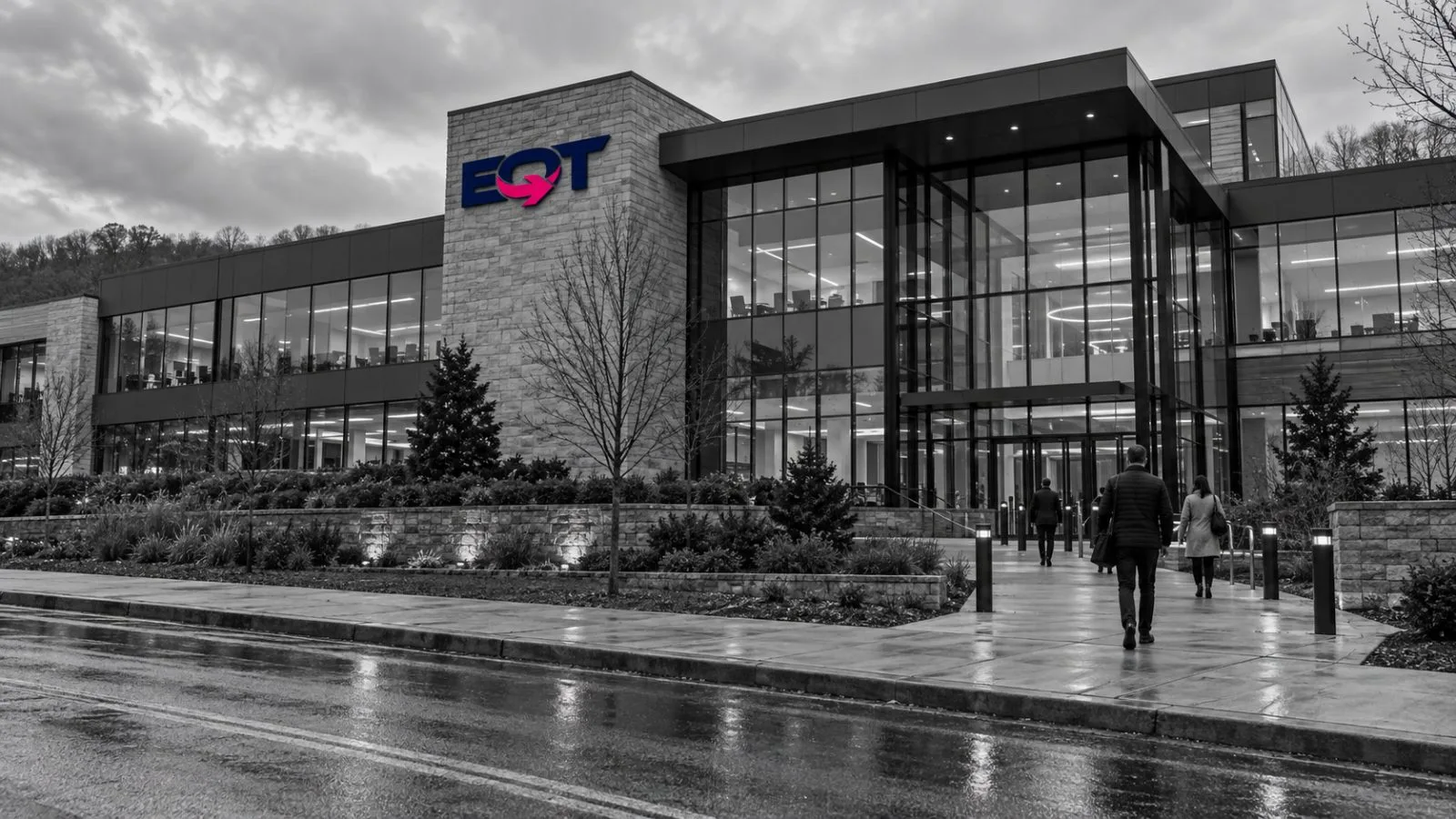
The EQT venture involved 12 cold-storage facilities valued at more than $1.3 billion, with Americold retaining a 30% interest. Americold said it used proceeds from the transaction to reduce debt by $1.15 billion.
On the Nov. 5 earnings call, CFO Chris Papa estimated that the venture would lower Adjusted FFO by about $0.03 per share in the fourth quarter and create $0.07 to $0.08 per share of additional dilution in 2027. Management also forecast that fourth-quarter blended pricing would improve by about 1 percentage point and economic occupancy would rise 1 to 1.5 percentage points sequentially.
Management said it was monitoring retail sales, inflation, U.S. Department of Agriculture data and customer earnings.