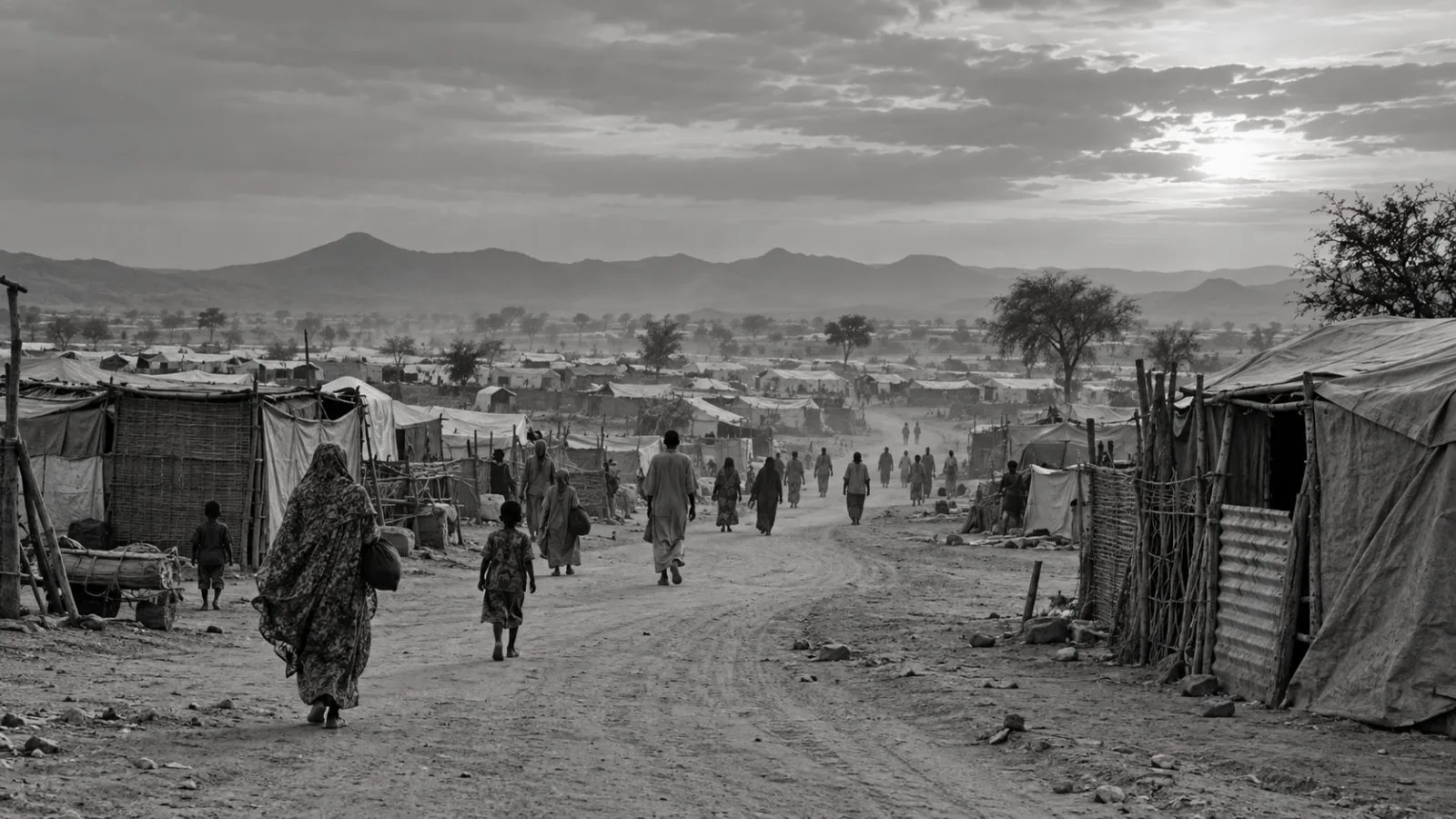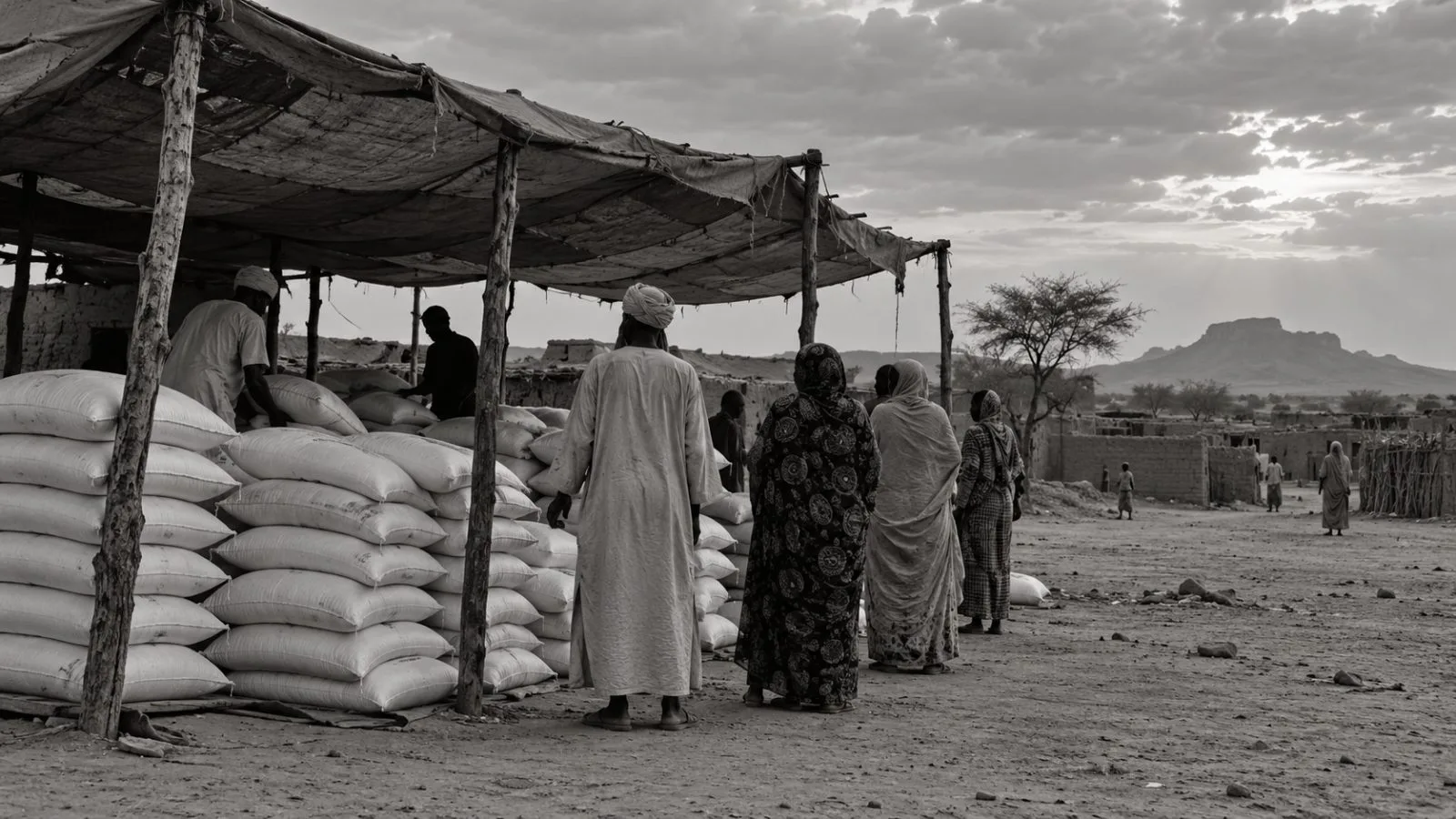
Amnesty International says humanitarian access remains limited in El Fasher, where residents described surveillance of aid operations and humanitarian workers raised concerns about malnutrition, one year after the Rapid Support Forces took control.
In a report dated Oct. 23, Amnesty said humanitarian organizations had counted fewer than 70,000 people present in El Fasher. It compared that figure with a prewar population of more than one million.
Residents interviewed by Amnesty in August and September described the RSF keeping watch on humanitarian operations. They also said civilians had little freedom to speak with aid workers, pointing to constraints on both relief work and communication with residents.
FEWS NET’s assessment sets out a credible but conditional alternative scenario: famine could occur in rural Al-Fasher and other areas if conflict worsens and harvests are marginal or nonexistent. Its main projection does not describe famine in those areas as highly likely.
On Oct. 12, the Integrated Food Security Phase Classification (IPC) warned of growing famine risks in parts of Greater Darfur and Greater Kordofan, citing conflict, displacement, drought and inadequate humanitarian funding. The IPC alert covered risks across parts of the two regions, while FEWS NET described a conditional scenario for rural Al-Fasher and other areas.