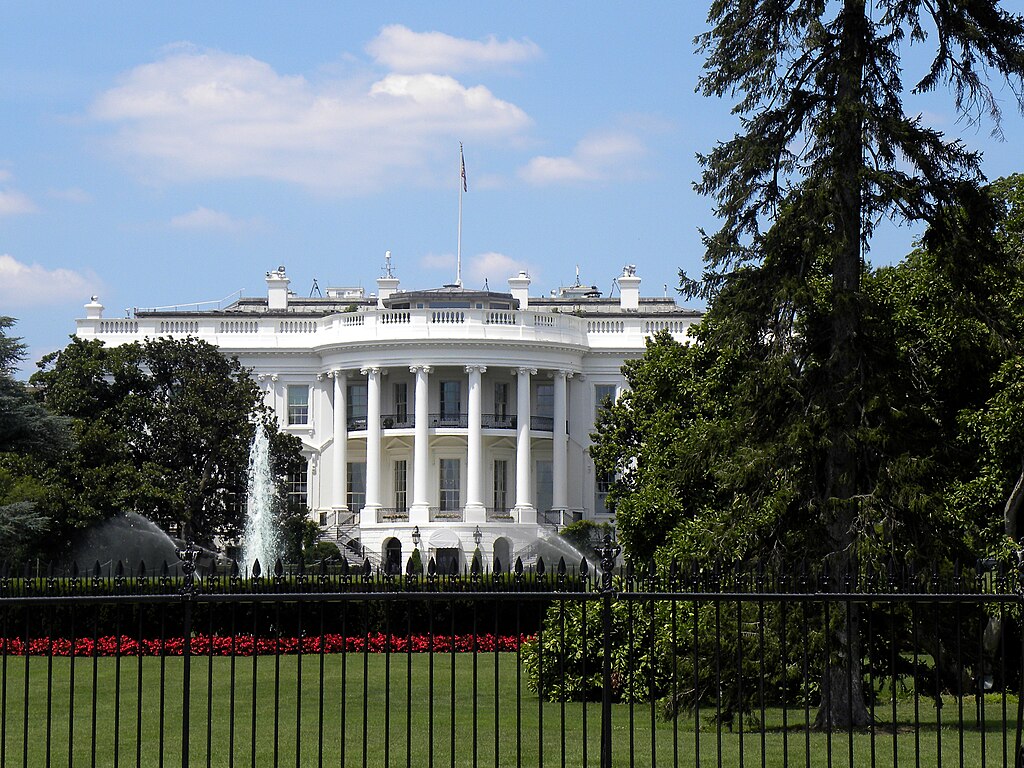
Senior executives and technical leaders from Anthropic are reportedly in Washington, D.C., holding discussions with White House officials in an effort to resolve a dispute that has affected access to the company’s most advanced artificial intelligence models.
According to a report published by Axios on Sunday, citing a source familiar with the matter, the AI company has sent senior technical staff to meet with government representatives as it works to address issues that have resulted in some of its cutting-edge AI systems being taken offline.
The reported talks highlight the growing intersection between artificial intelligence development and government oversight, as regulators and technology firms continue to navigate concerns related to national security, safety, and the deployment of advanced AI technologies. While details of the disagreement remain limited, the situation has drawn attention due to Anthropic’s position as one of the leading developers of generative AI models competing in the rapidly evolving artificial intelligence market.
Anthropic, known for creating advanced AI assistants and large language models, has become a major player in the industry alongside companies such as OpenAI, Google, and Meta. Any disruption involving its flagship AI products could have implications for enterprise customers, developers, and organizations that rely on the company’s technology.
The Axios report suggested that company representatives are seeking a resolution through direct engagement with White House officials. However, the exact nature of the dispute and the timeline for restoring full access to the affected AI models have not been publicly disclosed.
Reuters stated that it was unable to independently verify the Axios report at the time of publication. Anthropic and government officials have not publicly commented on the reported discussions.
The development underscores the increasing importance of regulatory dialogue as artificial intelligence companies expand their influence across industries and governments seek to establish frameworks for the responsible use of advanced AI systems.