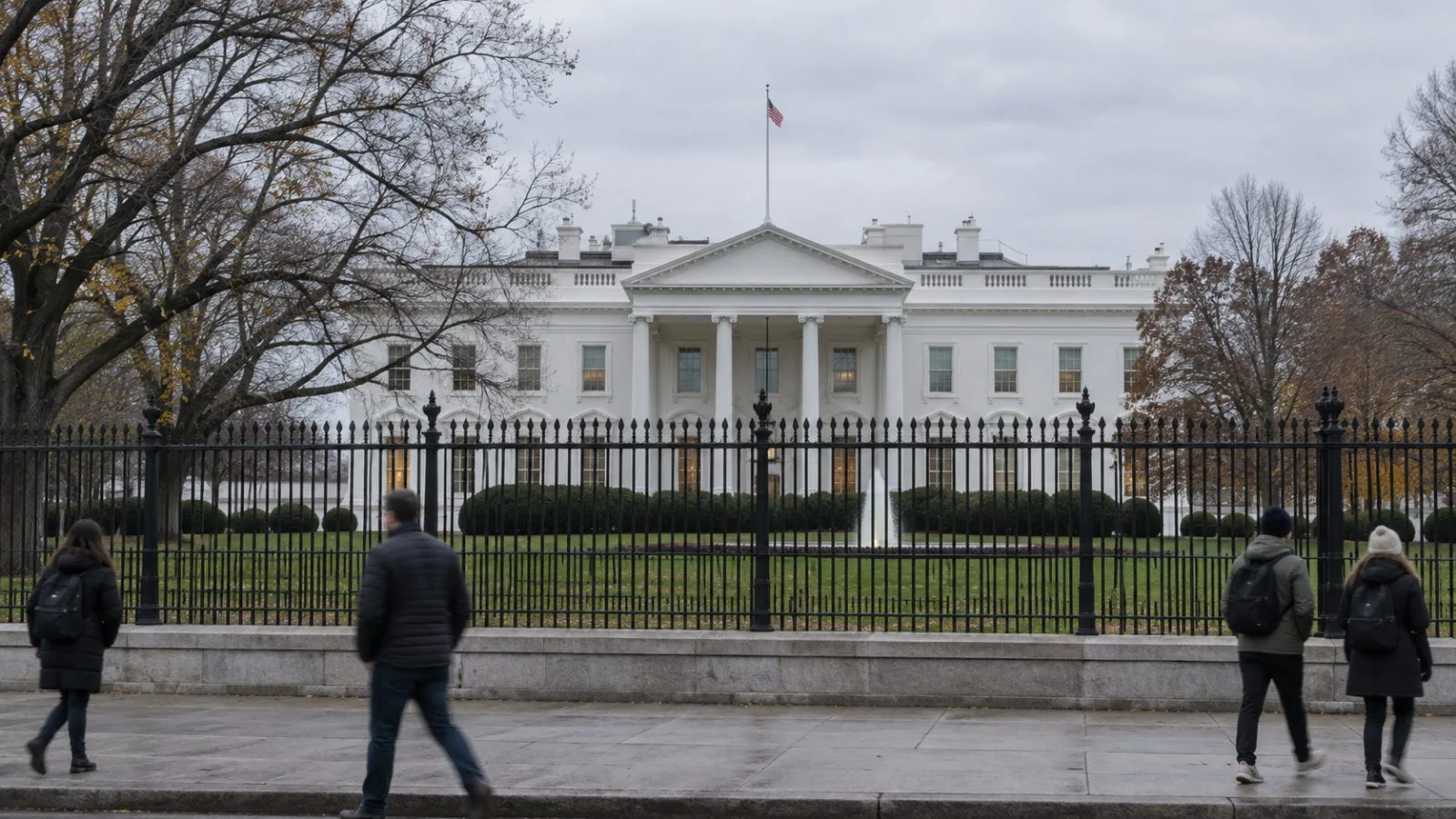
Anthropic, OpenAI and Google have pledged outside checks on advanced AI safety under a voluntary White House accord that puts companies in charge of oversight without binding deadlines or penalties.
The Sept. 29 White House Accord on Super Intelligence also bears the signatures of Meta, Nvidia and xAI. It calls on developers to monitor risks as they train and deploy advanced models and to assess whether their safeguards work.
Each company is to assign an internal team to examine its controls and bring in an independent auditor or evaluator for a separate assessment. An independent committee of each company’s board is to receive reports, oversee the work and ensure that identified problems are addressed.
The companies also committed to working together on safety standards through regular meetings. The accord gives no schedule for those meetings or the reviews and specifies no penalties. It raises the possibility of making the measures law later without setting a date.
The accord says its controls are intended to build confidence among customers and the public. House Speaker Mike Johnson described the commitments as voluntary in published remarks. He said rapid technological change had made agreement difficult in Congress and across the industry.
University of Southern California assistant professor of computer science Robin Jia told The Associated Press that leaving oversight decisions to companies raises a question about whether those decisions will serve the public interest.
Anthropic has separately opened part of its safety work to outside scrutiny. It said Oct. 15 that it gave six METR employees access to internal tools for an assessment. Anthropic has compared the embedded evaluator approach with resident bank examiners who work inside the institutions they assess.
In an Oct. 19 roadmap update, Anthropic set Dec. 15, 2026, as its target for publishing a policy proposal on government support for embedded evaluators, including their funding, access and independence. That is Anthropic’s target, not a deadline in the White House accord.