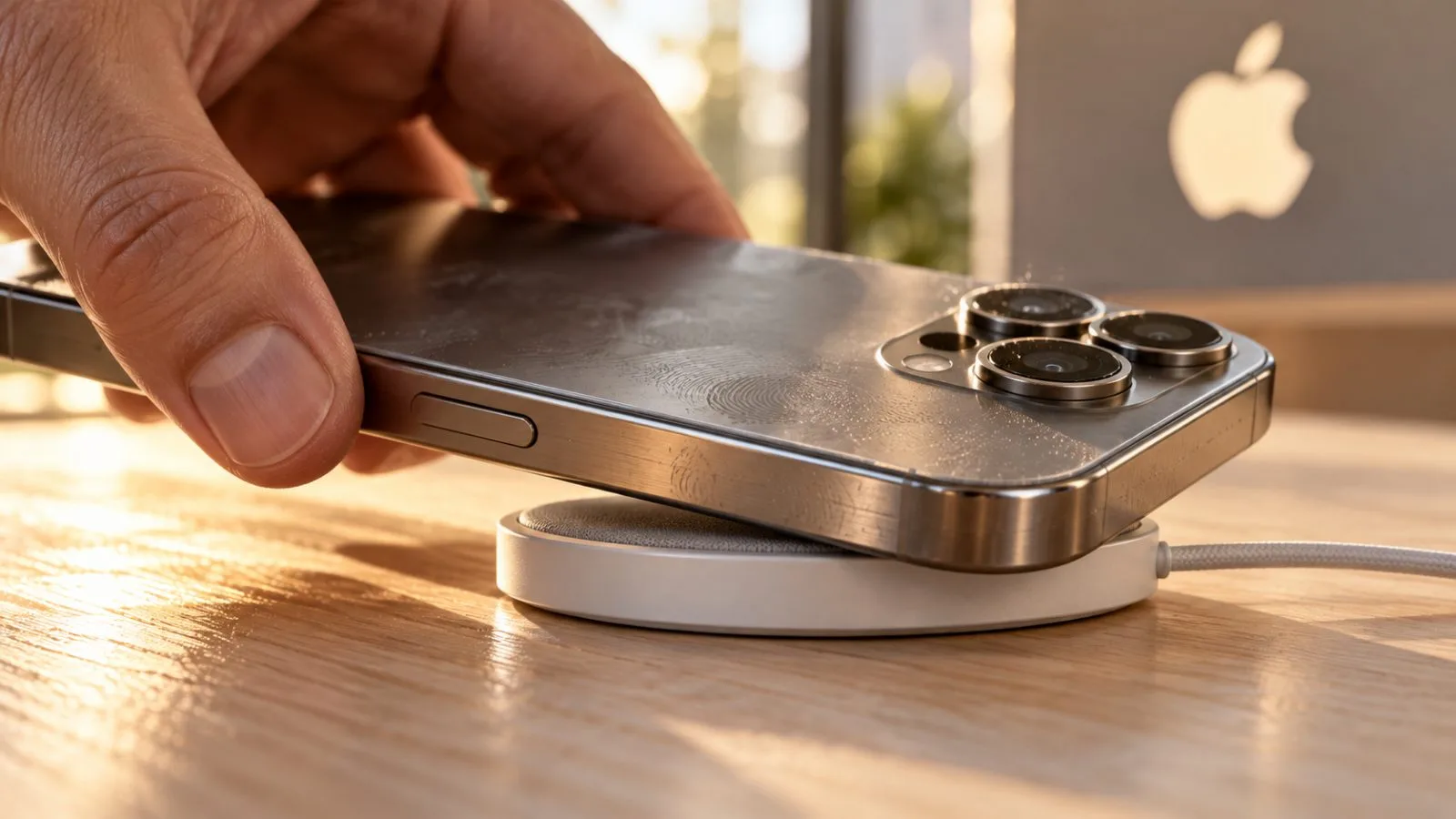
Apple's first foldable iPhone began reaching buyers Oct. 23, with delivery estimates extending to late January as orders outpaced supply and put the company's entry into a still-small category in focus.
Reuters reported that Apple called the preorder response “nothing short of extraordinary.” The company set a limit of two phones per customer during preorders and curtailed walk-in sales. Apple told Reuters that in-store availability would differ by market, with limited stock expected in the United States, Australia, Canada, Mexico, Britain and much of Europe. Buyers in China, France, Hong Kong, India and Japan had to order online.
The U.S. starting price is $1,999, set when preorders opened Oct. 16. Reviews have praised the design and hinge, while flagging the lack of a telephoto camera and the need for some third-party apps to adapt to the display. Some reviewers also raised concerns about using the phone when folded.
Apple's launch could bring more buyers to foldable phones, IDC Vice President Francisco Jeronimo said, though adoption has remained modest compared with standard smartphones. IDC projects the iPhone maker will take 44% of the category's market value and 31% of its unit sales in 2026. The research firm expects Apple to rank first in both measures in 2027. Samsung Electronics and Huawei Technologies have sold premium foldable models for several years, Reuters reported.
The launch comes as phone makers face varied pressures across markets. In China, weak consumer demand and higher memory costs coincided with smartphone shipments falling for six quarters in succession. Reuters reported that Apple's share there had recovered as some buyers moved up to premium phones while others sought lower-priced models, squeezing midrange brands.
Limited supply may also create opportunities for resellers: one Hong Kong buyer told Reuters he planned to resell a phone bought for HK$17,499, hoping to make about HK$4,000. Jeronimo said the next measure for Apple is whether it can turn interest into wider availability and sustained adoption.