


 Elon Musk Eyes Semiconductor Manufacturing Expansion With $15 Billion Terrafab Project
  Meta Launches Muse Wonder AI Models, Shares Rise 3.7%
  Oracle Uses Trucked Natural Gas to Power AI Data Centers Amid Pipeline Delays
  US Suspends Microsoft, Adobe From Green Card Program
  Trump Buys Up to $25M in Meta Stock, Invests in SpaceX Debt
  Solidigm Taps Goldman, Morgan Stanley for $10 Billion US IPO
  Elon Musk Accuses Indian Telecom Giants of Blocking Starlink Launch
  Amazon Cuts More Jobs as AI Investment Expands
  Epic Games Delays Disney Shooter, Shifts to AI-First Development
  TSMC Profit Set to Surge 65% as AI Chip Demand Drives Record Earnings
  Tencent Shares Fall as $5 Billion AI Bond Sale Weighed
  TSMC Q3 Revenue Beats Estimates as AI Chip Demand Surges
  Yandex Data Center Hit by Drone Strike as Russia-Ukraine Cyber Infrastructure Attacks Escalate
  Nvidia’s China AI Chip Market Share Falls to 34% as Huawei Gains Ground
  Jameson Lopp Downplays AI Threat to Bitcoin Cryptography
  Moonshot AI Executives Seek Settlement Ahead of Hong Kong IPO
  Samsung, SK Hynix Shares Plunge as China Chip Competition Grows


 Add as a preferred source on Google
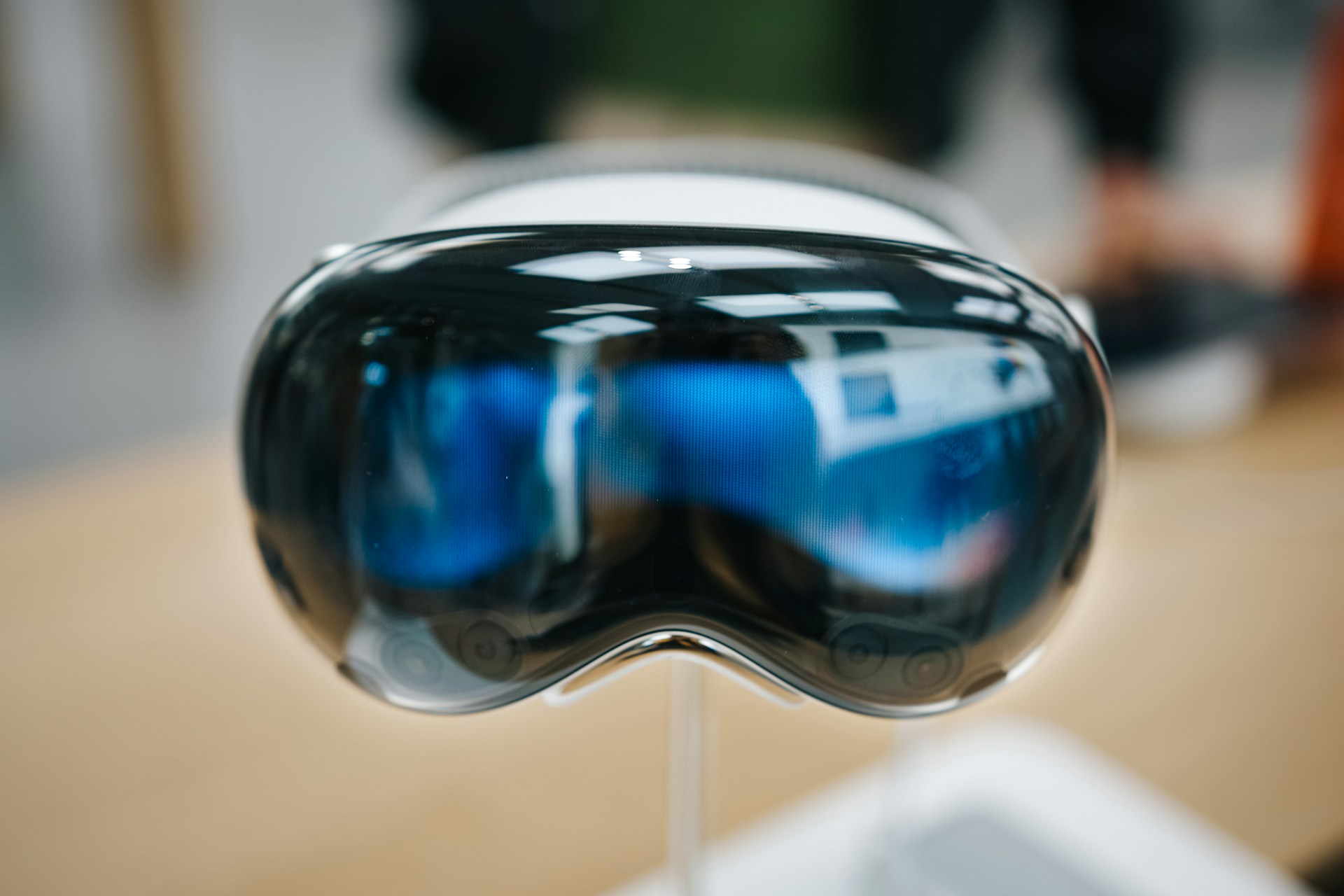
Apple CEO Tim Cook confirmed the release of the Apple Vision Pro in mainland China during the China Development Forum in Beijing.
Apple Vision Pro Expands Global Reach: China Launch Confirmed by CEO Tim Cook
According to state media (via Reuters), Apple CEO Tim Cook announced on Sunday that the Apple Vision Pro will be available in mainland China this year.
According to CCTV Finance's Weibo social account, Cook revealed the headset's China launch plans in response to a media question on the sidelines of the China Development Forum in Beijing. Apple will continue to increase its R&D investment in China, he said.
Cook visited Apple's new Shanghai store, Jing'an, earlier this week. This is the first explicit confirmation that the Vision Pro will be available this year in a country other than the United States.
Apple says the Vision Pro will be available in more countries later in 2024, but the company has not provided a specific timeframe or indicated where the headset will be available until now.
In February, Apple analyst Ming-Chi Kuo predicted that the Vision Pro would be released internationally before Apple's annual developers conference, WWDC, which is typically held in the first week of June.
Huawei's Response: Trademark Battles and Plans for Vision Pro Competitor
Meanwhile, records at the China National Intellectual Property Administration's Trademark Office show that Huawei, headquartered in Shenzhen, registered the "Vision Pro" trademark in China in 2021. This trademark encompasses various products and services, including virtual reality (VR) headsets and wearable video displays.
Huawei holds exclusive rights to the name "Vision Pro" in the country until November 2031. The South China Morning Post reports that, according to CNIPA, the US tech giant applied for trademark rights to the "Vision Pro" brand last year and is currently in the "refusal to re-examine" stage. Apple also trademarked the "Apple Vision Pro" brand last June, an application that is still under investigation.
Huawei introduced its first intelligent eyewear device, "Vision Glass," in December 2022, and the company has expanded its product line to include smart TV screens under the Vision brand.
After Apple launched the Vision Pro in the US in February, local media reported Huawei's plans to unveil similar headsets. Li Nan, a former marketing director at Chinese smartphone manufacturer Meizu, shared a Weibo post outlining a potential design for the Huawei Vision headset.
According to Li's Weibo post, Huawei's new VR headset may be powered by an in-house-developed chip. Late last year, Huawei unveiled its 5G-capable Mate 60 series, featuring the powerful domestic Kirin 9000S chip, which Chinese netizens celebrated as a symbol of China's resilience against stringent US sanctions.
Li also mentioned that Huawei's headset could weigh as little as 350 grams, nearly half the weight of Apple's Vision Pro. Additionally, he speculated that Huawei's headset might be priced at around 15,000 yuan (US$2,090), approximately half the cost of Apple's Vision Pro.







