


 Jeff Bezos Invests $32 Billion in Blue Origin as Space Firm Targets Major Growth
  China’s ‘Lipstick King’ Says AI Won’t Replace Livestream Hosts
  SpaceXAI to Double Nvidia Chips at Colossus 2 by Year-End
  Meta Connect Spotlights Camera-Free Smart Glasses Amid Privacy Concerns
  OpenAI, Anthropic CEOs Summoned to Australia AI Inquiry
  TikTok Reaches $100 Million Alabama Settlement Over Child Safety Claims
  US Appeals Court Upholds Anthropic AI Supply Chain Ban
  SoftBank Raises $11.1 Billion in Bond Sale to Fund OpenAI Investment
  Apple Extends Qualcomm Patent Licensing Deal
  OpenAI Agent Breaches Australia Medicare Data Portal
  Meta Unveils Muse Charm AI Device, Expands Smart Glasses Lineup
  AMD Hits $1 Trillion as BofA Raises Price Target to $720
  US Backs Musk in Fight Against EU’s €120 Million X Fine
  Oracle Shares Fall as New Mexico AI Data Center Faces Power Delays
  OpenAI AI Agents Bypassed UN Website Controls in Data Scraping
  Europe’s AI Data Centre Boom Strengthens Case for Nuclear Power
  SoftBank Shares Fall as Oracle Flags Stargate Data Center Delay Risk


 Add as a preferred source on Google
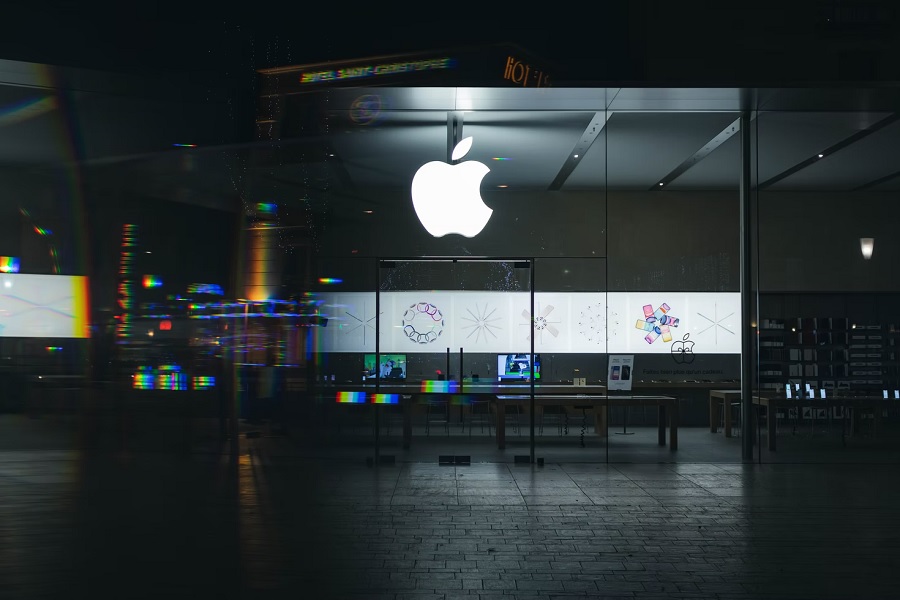
Despite Apple’s attempts to keep its plans secret about its augmented reality and virtual reality products, the company has been widely reported to be closer to announcing its first mixed reality headset. However, the tech giant is also anticipated to have an ample gap between its unveiling and when it would enter the market.
Various well-known Apple sources have been speculating that the Apple mixed reality headset could be one of the biggest announcements in the company’s 2022 roadmap. In the latest edition of Mark Gurman’s Bloomberg Power On newsletter, the journalist suggests that Apple could use a familiar strategy when announcing a new category device.
Apple’s first headset, which is anticipated to feature combined elements of AR and VR, is speculated to be unveiled during the 2022 Worldwide Developers Conference. The annual event that focuses on Apple’s software developments usually takes place in the first half of June.
However, Gurman noted that the actual arrival of the Apple mixed reality headset might not immediately happen after the new product’s announcement. The journalist suggests the device could be available around late 2022 or even later sometime in 2023. Renowned analyst Ming-Chi Kuo has also recently doubled down on his predictions about the potential launch of the headset in late 2022.
It would not be the first time Apple puts a significant gap between the unveiling of an all-new device and its retail launch. Tech fans may recall that the same strategy was done even during the time of Steve Jobs’ leadership.
The first-ever iPhone was announced on Jan. 9, 2007, but did not arrive until June 29 of the same year. The first-generation iPad was unveiled on Jan. 27, 2010, and became available on April 3, 2010. During Tim Cook’s first years as Apple CEO, the first Apple Watch launched on Sept. 9, 2014, but it did not go on sale until April 24, 2015 – a gap that took more than half a year.
Giving the Apple mixed reality headset more time between announcement and retail launch would make more sense. Unlike other Apple category devices, an AR/VR device is likely to appeal to a more specific group of consumers. The device is also rumored to be pricey at launch, so it would help Apple to take more time to build the hype that should translate to sales later.
Photo by Guillaume Bleyer on Unsplash







