


 Moonshot AI Executives Seek Settlement Ahead of Hong Kong IPO
  Deutsche Bank CEO Urges Faster German Economic Reforms
  FAA Warns US Airlines Over Saudi Arabia Flight Risks
  Asian Stocks Plunge as AI Chip Selloff Hits South Korea and Japan
  Global Stocks Mixed as Oil Falls Ahead of US Earnings
  Trump Defends Russian Diesel Deal Amid US Sanctions Backlash
  Albertsons Seeks $9.3 Billion From Kroger Over Failed Merger
  Trump Calls for Zelenskyy Replacement Amid Russian Diesel Deal
  Meta Launches Muse Wonder AI Models, Shares Rise 3.7%
  Oil Prices Surge Above $106 After Deadly Saudi Airport Attack
  Most Americans Oppose Election Betting on Prediction Markets, Poll Finds
  Asian Currencies Steady as Dollar Nears 18-Month High Ahead of US CPI
  European Stocks Rise as Oil Prices Fall Ahead of US CPI
  Nasdaq Faces Pullback to 26,225 Despite Bullish Outlook, UBS Says
  Canton Network Expands in South Korea With Major Partnerships
  European Auto Stocks Rise as EU-China Trade Deal Targets Hybrid Imports
  Oil Prices Rise as Houthi Attacks Threaten Middle East Supply


 Add as a preferred source on Google
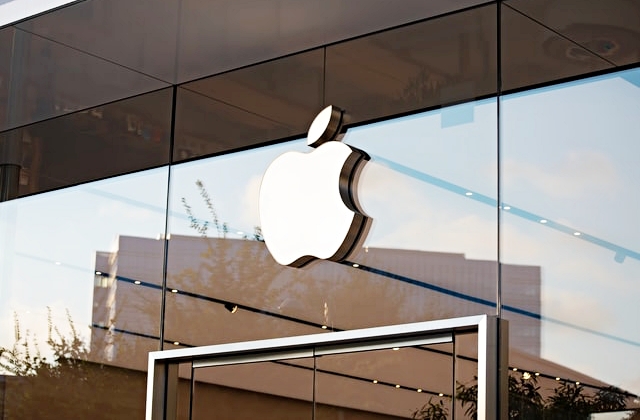
Apple announced on Monday, Dec. 27, that it has ordered the closure of its retail stores in New York as the number of COVID cases continues to rise. Then again, customers who purchased items online are allowed to pick their orders up at the stores.
According to Reuters, Apple closed the stores located in SoHo, Fifth Avenue, Grand Central, and all the other major flagship retail outlets. This is not the first time that the iPhone maker had to temporarily close down some of its stores as in early December, it also shut three locations in Canada and the United States as the COVID-19 cases and exposure among the stores’ employees soar.
As a preventive measure and protection, Apple also posted a directive that all customers and employees must wear masks inside its retail stores in the U.S. the closures and mask mandate was the company’s response to the spike in coronavirus cases as the omicron variant is spreading rapidly.
CNBC reported that it is not yet known when Apple is re-opening the affected stores. It was added that the 11 stores in New York were closed and the other locations are in Manhattan, Staten Island, Brooklyn, and the Bronx. The aim of the temporary closure is to help slow down the spread of the highly infectious virus.
In any case, when Apple padlocked all of its retail stores in the U.S. last year during the first wave of the pandemic, it re-opened the outlets with rules in place. It has also set up sanitation areas for customers and all the staff was also required to wear masks. Employees at the stores were also given access to weekly COVID-19 testing at home.
With the emergence of omicron which is the most contagious variant so far, Apple is implementing tighter rules for both the customers and staff in the stores.
“We regularly monitor conditions and we will adjust our health measures to support the well-being of customers and employees,” Apple said on Monday as it closes stores in NYC. “We remain committed to a comprehensive approach for our teams that combines regular testing with daily health checks, employee and customer masking, deep cleaning, and paid sick leave.”







