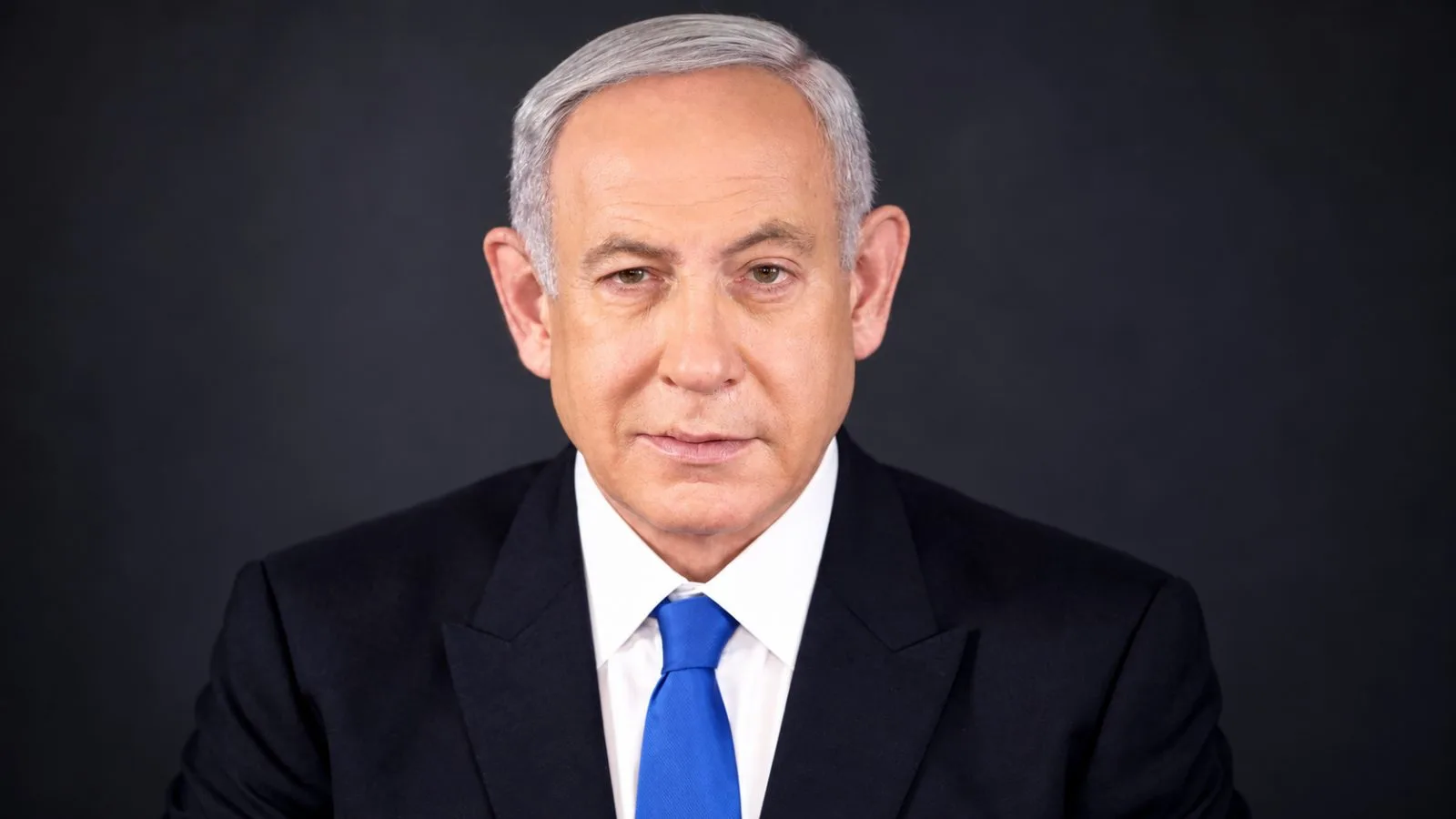
Israel’s current election tally leaves Prime Minister Benjamin Netanyahu’s bloc eight seats short of a Knesset majority, while former military chief Gadi Eisenkot’s opposition has a possible path to power through Arab-party support.
Israel’s Central Elections Committee (CEC) allocates 53 seats to parties aligned with Netanyahu, 48 to the opposition grouping and 19 to Arab parties in the 120-seat Knesset. The CEC publishes party results rather than official bloc categories; those totals group parties by political alignment. With all 48 opposition seats behind the same bid, support from 13 of the 19 Arab-party lawmakers would bring the total to 61, the number needed for a majority.
B’Yachad, led by former Prime Minister Naftali Bennett, said in a party statement it would recommend Eisenkot to President Isaac Herzog for the government-forming task. The endorsement gives Eisenkot support within the opposition grouping, but the possible 67-seat alignment is not a coalition agreement. With 19 seats, the Arab parties could have leverage in negotiations, but the tally does not establish whether they would join a government or back one from outside.
An Israeli government document records five elections between April 2019 and November 2022. On Oct. 29, Herzog urged party leaders to “Open your minds, open your hearts.”
The CEC expects to publish the results in the Official Gazette by Nov. 4, with allocations subject to change until publication. The Jerusalem Post reported that Herzog’s consultations with party representatives are scheduled to begin that day.
The Basic Law gives Herzog seven days from publication to assign a lawmaker the task of forming a government. The lawmaker then has 28 days, and Herzog can grant up to 14 more. If the statutory rounds do not produce a government, the Basic Law sets out Knesset dissolution and elections within 90 days.