


 Gold Holds Near Seven-Week Low as Fed Rate Hike Bets Rise
  BlackRock’s Rick Rieder Favors Bonds Over Stocks as Treasury Yields Surge
  Europe’s AI Data Centre Boom Strengthens Case for Nuclear Power
  Asian Currencies Mixed as Yen Weakens, RBA Hike Looms
  South Korea Tax Windfall Could Top 50 Trillion Won on Chip Boom
  Gold Slides Below $4,300 as Oil Surge Fuels Fed Rate Hike Bets
  U.S. Stock Futures Fall as Iran, Oil and AI Risks Rattle Markets
  Hong Kong Home Prices Stabilize in August After July Decline
  Oil Prices Rise as Iran Holds Firm on Strait of Hormuz Deal
  US Stocks Face Jobs, Inflation Test as Fed Rate Hike Bets Rise
  UK Housebuilder Stocks Surge on New First-Time Buyer Loan Scheme
  Asian Currencies Weaken as Dollar, Oil Prices Rise
  South Korea Exports Set for 16th Monthly Gain on AI Chip Demand
  ECB May Stop Rate Hikes After December, Capital Economics Says
  Asian Stocks Fall as Bond Yields and Oil Prices Surge
  Australia Budget Deficit Narrows to A$22.3 Billion on Stronger Tax Revenue


 Add as a preferred source on Google
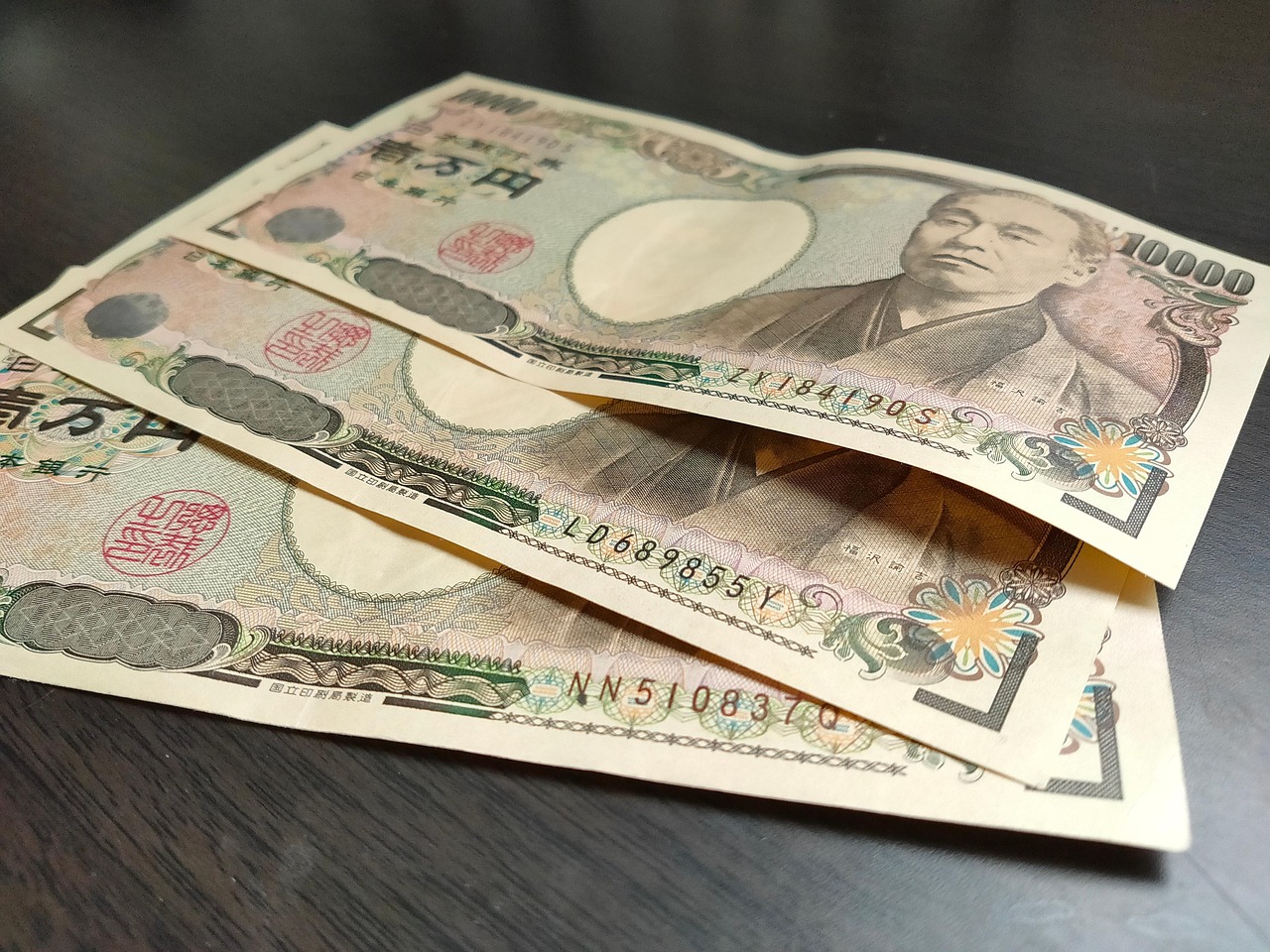
Asian currencies edged higher on Friday as the U.S. dollar weakened following softer-than-expected inflation data, which reduced expectations for a near-term Federal Reserve interest-rate hike. Gains across regional currencies remained limited, however, as Middle East tensions and elevated oil prices kept investors cautious.
The U.S. Dollar Index slipped 0.1% to 99.87 after closing slightly lower in the previous session. The decline followed U.S. producer price data showing prices were unexpectedly unchanged in July, reinforcing signs that inflationary pressures are easing.
The latest producer price figures came after July consumer inflation data showed headline CPI rising 3.4% year over year, while core CPI moderated to 2.5%. Expectations for a September Fed rate hike subsequently weakened, with markets pricing in roughly a 35% probability, compared with 55% a week earlier, according to CME FedWatch.
Lower U.S. interest-rate expectations provided some support to Asian currencies, but geopolitical risks continued to limit gains. U.S. Defense Secretary Pete Hegseth said the military could maintain a naval blockade of Iranian ports indefinitely as Washington keeps economic pressure on Tehran amid stalled peace negotiations.
Disruptions to shipping through the Strait of Hormuz, a crucial route for global oil and liquefied natural gas supplies, have also supported energy prices. Oil was on course for a roughly 4% weekly gain, raising renewed inflation concerns.
The Japanese yen strengthened slightly, with USD/JPY falling around 0.1% to 159.34. However, the yen remained on track for a weekly decline of about 1% after surrendering some gains generated by U.S.-Japan intervention in late July and early August. Traders remain alert to possible additional intervention if USD/JPY moves above 160.
Expectations for a September Bank of Japan rate hike have increased, although sustained yen strength may depend on a more hawkish BOJ policy stance.
Elsewhere in Asian forex markets, USD/KRW slipped 0.2% as the South Korean won strengthened, while USD/CNY was largely unchanged. USD/INR and USD/SGD moved slightly lower, while the Australian dollar gained around 0.1% against the greenback.







