Asian stock markets edged higher on Tuesday but struggled to hold their early gains as investors navigated mixed signals surrounding the ongoing U.S.-Israel-Iran conflict. Markets had initially rallied following comments from President Donald Trump, who described "positive" negotiations with Iran aimed at ending hostilities. However, sentiment quickly reversed after Iranian officials largely denied that formal talks had occurred, sending S&P 500 futures down 0.7% during Asian trading hours.
Despite diplomatic confusion, some indirect communication appeared to be taking place, with Reuters reporting that Gulf and Asian nations were reportedly acting as intermediaries between Tehran and Washington. Trump also delayed a threatened strike on Iran's electricity infrastructure, offering a brief window of cautious optimism.
Japan's Nikkei 225 climbed 0.7% while the TOPIX gained 1.1%, supported by softer-than-expected inflation data. Japan's consumer price index grew at its slowest rate in nearly four years in February, with core inflation dipping below the Bank of Japan's 2% target. Analysts at Capital Economics noted that this development was unlikely to delay a BOJ rate hike expected in April, particularly as government energy and food subsidies are set to expire. Japanese manufacturing and services activity also grew at a slower pace than forecast in early March.
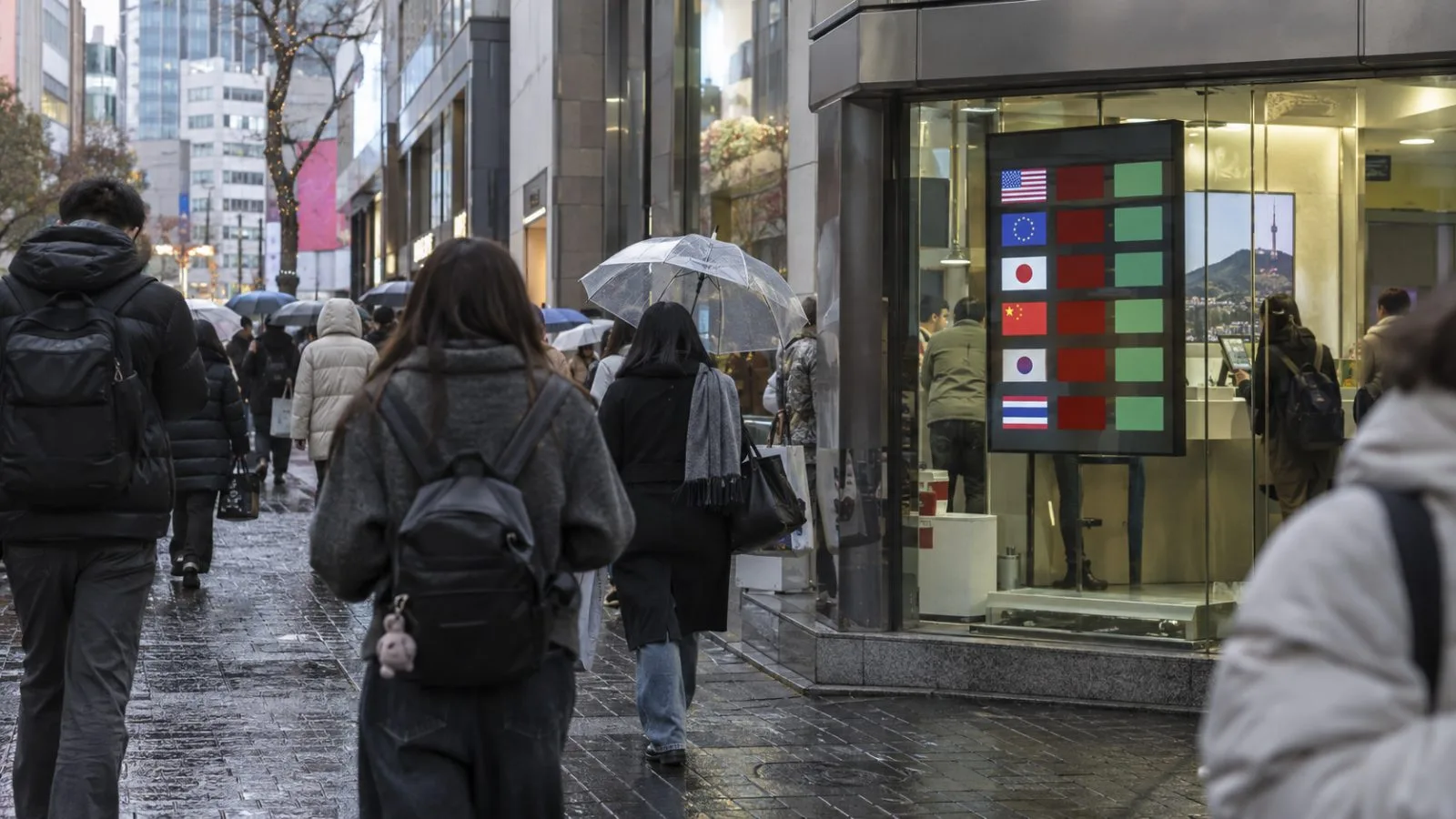
Elsewhere across the region, South Korea's KOSPI rose 1.3% after initially surging 4.5%, while China's CSI 300 and Shanghai Composite gained 0.6% and 0.8%, respectively. Hong Kong's Hang Seng advanced 1.4%. Australia's ASX 200 added 0.5%, Singapore's Straits Times was flat, and India's Nifty 50 futures slipped 1.4%.
Asian markets have broadly declined since the conflict began, largely because many regional economies are heavily reliant on energy imports. Iran's blockade of the Strait of Hormuz threatens roughly 20% of global oil supply, fueling inflation concerns and prompting several central banks to signal potential interest rate increases in the weeks ahead.