Asian stock markets advanced on Wednesday, driven by strong gains in technology shares and continued investor enthusiasm surrounding artificial intelligence (AI). Despite escalating tensions between the United States and Iran, regional markets largely maintained a positive outlook, following record-setting performances on Wall Street.
Japan emerged as the strongest performer in Asia, with the Nikkei 225 soaring nearly 3% to a new all-time high of 68,645.5 points. The broader TOPIX index also reached a record level of 3,996.22 points. Investor sentiment was boosted by expectations of additional government support after Japan’s cabinet approved a supplementary budget worth 3.11 trillion yen ($19.5 billion). The package is designed to ease the burden of rising living costs through continued energy subsidies, while discussions over a potential consumption tax cut further improved market confidence.
Technology and semiconductor stocks led gains in Japan, benefiting from ongoing optimism surrounding AI-related investments and global demand for advanced computing technologies.
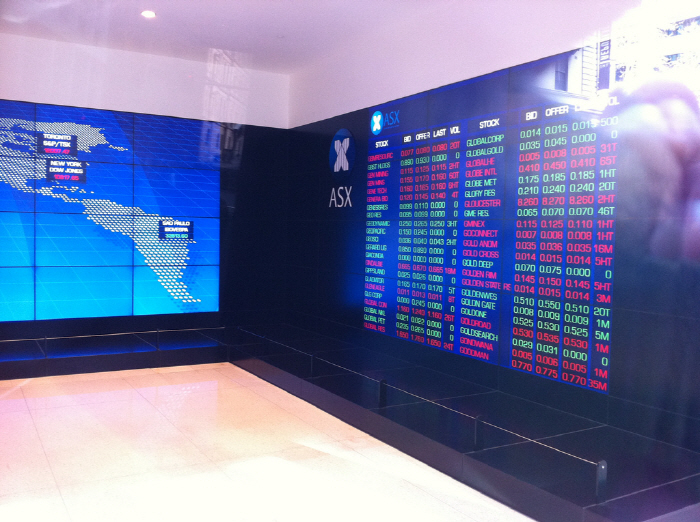
Australian equities also posted solid gains, with the ASX 200 rising 0.8%. The increase came after first-quarter GDP data showed slightly weaker-than-expected economic growth. While household spending remained relatively stable, higher fuel costs and disruptions in the mining sector weighed on overall performance. The softer economic data strengthened expectations that the Reserve Bank of Australia will keep interest rates unchanged in the near term.
Chinese markets joined the regional rally, with the CSI 300 climbing 1.6% and the Shanghai Composite Index gaining 0.6%. Singapore’s Straits Times Index added 0.7%, reflecting broad investor confidence across the region.
Hong Kong’s Hang Seng Index was the notable exception, falling nearly 2% as investors locked in profits after strong gains in major technology stocks during the previous session.
Meanwhile, India’s Nifty 50 declined 0.7%, extending recent weakness amid concerns over rising oil prices and limited exposure to the booming AI sector.
Although oil prices increased following renewed military exchanges between the U.S. and Iran, investors remained focused on economic stimulus measures, AI-driven growth opportunities, and the resilience of global technology stocks, helping Asian markets maintain their upward momentum.