Australia imposed targeted financial sanctions on two North Korean men and two companies and barred the men from entering or remaining in the country, saying the network raises money for Pyongyang’s weapons programs.
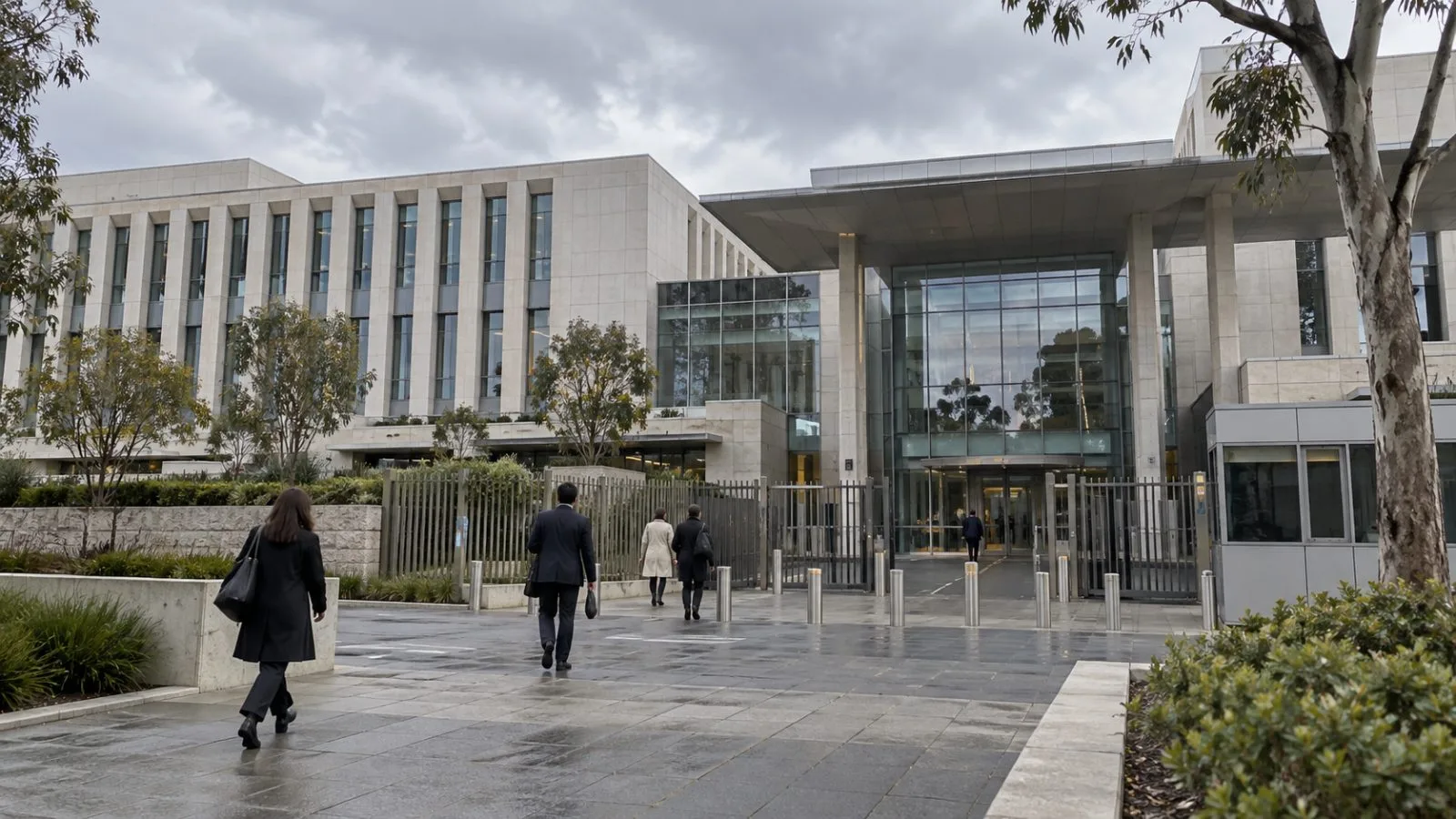
Foreign Minister Penny Wong signed the amendment Oct. 20. It was registered Oct. 22 and took effect Oct. 23. The instrument names YU Pu Ung, SIM Hyon Sop, Korea Mangyondae Computer Technology Company and Chinyong Information Technology Cooperation Company.
DFAT said the listed parties facilitate North Korea’s use of fraudulent IT workers, who seek remote jobs abroad while posing as nationals of other countries. The department said the income supports North Korea’s nuclear weapons and ballistic missile programs and that the activity poses cybersecurity risks to affected businesses.
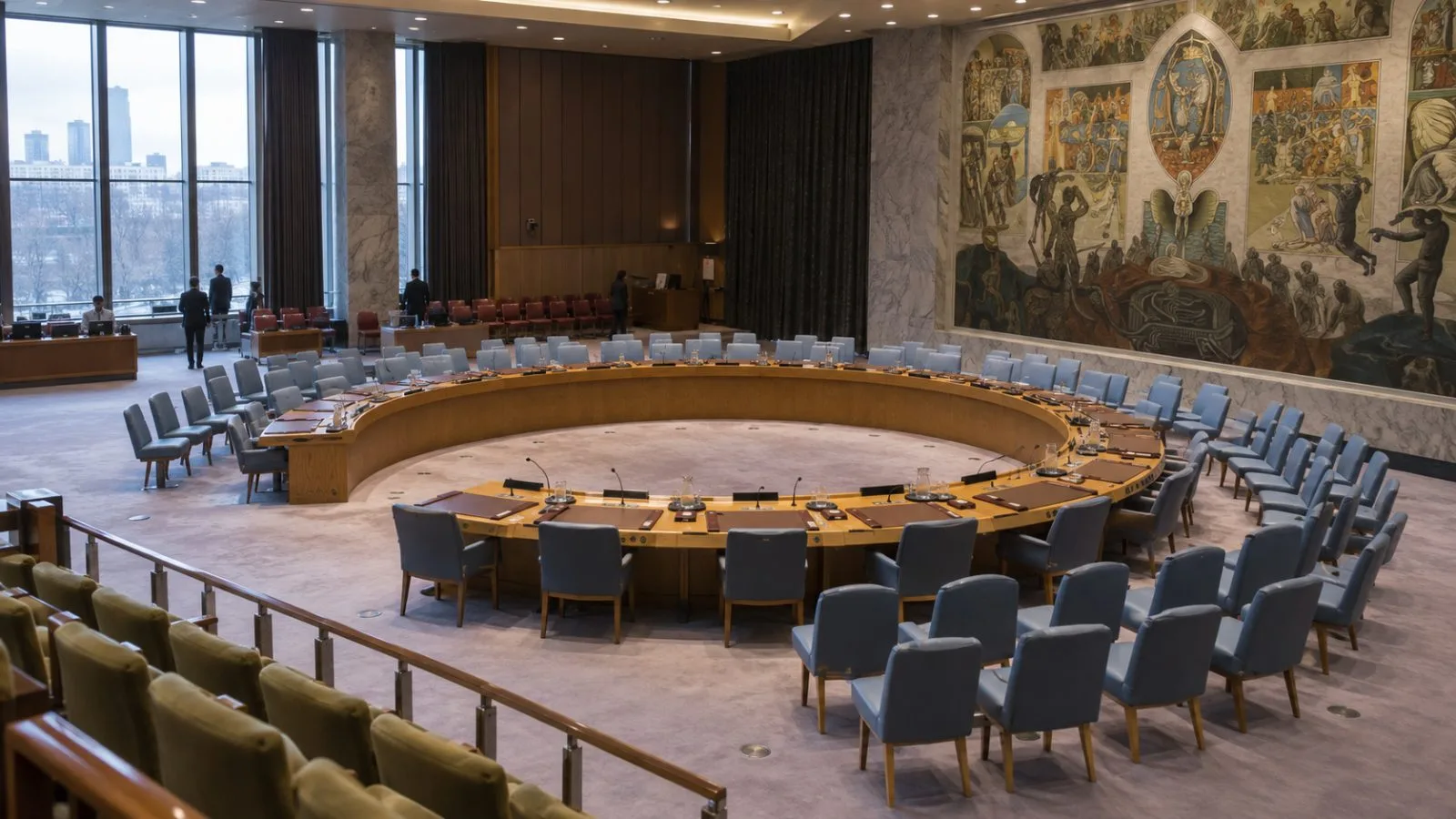
DFAT said the scheme violates United Nations (U.N.) Security Council resolutions restricting North Korean labor exports. It said the listings also draw on findings by the Multilateral Sanctions Monitoring Team (MSMT).
The Straits Times reported that U.S. authorities had named both men before Australia’s action. It said the U.S. Department of the Treasury described YU in 2024 as a key figure in North Korea’s illicit revenue operations. The newspaper reported that the Federal Bureau of Investigation (FBI) is seeking SIM over alleged assistance with moving funds across North Korea’s borders, and that the U.S. offered a $5 million reward for information that would help secure his arrest.
The Straits Times also reported that New Zealand’s cybersecurity agency disclosed in September that a North Korean worker obtained remote work with a company using a false identity, then threatened to release sensitive information after being exposed. The newspaper said the United States and allied governments warned in July that workers were using artificial intelligence tools to hide their identities.
Australia’s Autonomous Sanctions Regulations 2011 require a permit to deal with controlled assets, including assets owned or controlled by a listed party. The rules also prohibit directly or indirectly making an asset available to a listed party, or for that party’s benefit, without a permit. Australia said it coordinated the action with international partners, including the European Union, and urged North Korea to comply with U.N. resolutions.