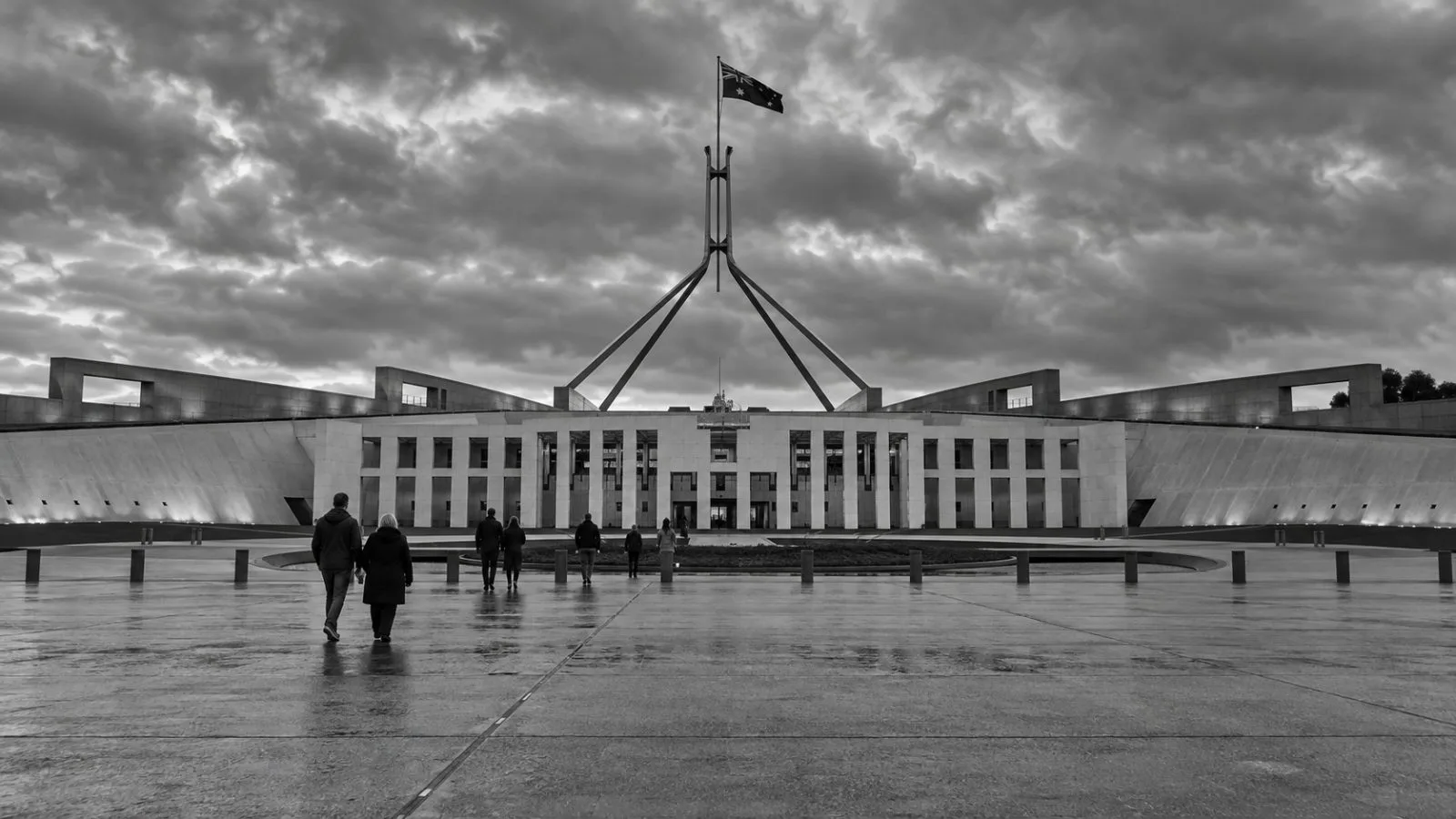
Australia’s effort to attract frontier AI training investment is unfolding alongside a parliamentary committee’s request to revisit copyright protections for creators and payment, ABC News reported.
The committee’s advice does not alter the law. Parliament has set Nov. 30 as the committee’s reporting date.
John Phelan, managing director of the International Confederation of Music Publishers (ICMP), directed attention to LAION-DISCO-12M in comments to The Guardian. The Atlantic says the collection contains more than 12 million tracks, and The Guardian reported that ICMP found listings for songs by Kylie Minogue, Nick Cave and Hilltop Hoods. The Atlantic said it could not identify who had used most of the datasets it examined, so inclusion alone does not show that a model was trained on any named song.
The Guardian also reported that ICMP supplied evidence that Google’s Gemini could reproduce lyrics by Minogue, G-Flip and Cave. The newspaper did not publish the prompts or test procedure, and those results do not establish that Gemini trained on those specific songs. The Guardian said it sought comment from Google.
Phelan told The Guardian that 62 countries had considered legal changes. He portrayed Australia as the sole country considering revisions sought by technology companies and accused them of pressuring officials over investment: “They’re trying to strong-arm Australian policymakers into ‘if you don’t do this, we won’t invest’.”
The government is not considering a broad text-and-data-mining exception, which would create a legal route for AI developers to train on copyrighted works without creators’ consent or compensation. Attorney-General Michelle Rowland said in October 2025 that the government was exploring licensing options, including a paid collective framework and voluntary licensing. Prime Minister Anthony Albanese said in July 2026 that companies should not use Australian creative works to train AI without artists’ control.
APRA AMCOS, which says it represents more than 128,000 songwriters, composers and music publishers, reported at least 274 known commercial AI licensing agreements worldwide by January 2026 across music, news, books, images and video. It said it had received no inquiry from a multinational AI platform operating in Australia about the price of a training license in the four years since generative AI became publicly available.
A September 2026 government consultation paper identified copyright treatment as a key part of standards for frontier AI training. The government expects the standards to be legislated in early 2027.