Australian Federal Police (AFP) Acting Deputy Commissioner for National Security Investigations Sandra Booth warned lawmakers Wednesday that artificial intelligence (AI) can speed youth radicalization as Parliament examines digital platforms’ responsibilities.
Booth said some cases of radicalization or manipulation now unfold in days, compared with months or years previously. She said AI can lower the skill needed to manipulate young people online. Personal grievances, a desire to belong and sophisticated online networks also contribute, she said.
Booth relayed AFP Commissioner Krissy Barrett’s warning of a “tsunami of youth crime.” She described children who can be targets of online grooming and coercion, then go on to harm others. Booth said the AFP has formed an advisory group involving faith, mental health and youth advocates.
As an example of the broader online threat, Booth described an investigation involving a 13-year-old boy who used Discord. Police allege they found a notebook containing plans for a school shooting during a search of his home. Booth said the case is before the courts.
The Australian government announced A$74 million over two years on May 6 for a Counter Terrorism Online Centre. It said the AFP and the Australian Security Intelligence Organisation (ASIO) would use the center to identify and disrupt credible online threats. Booth said its capabilities would be introduced in phases.
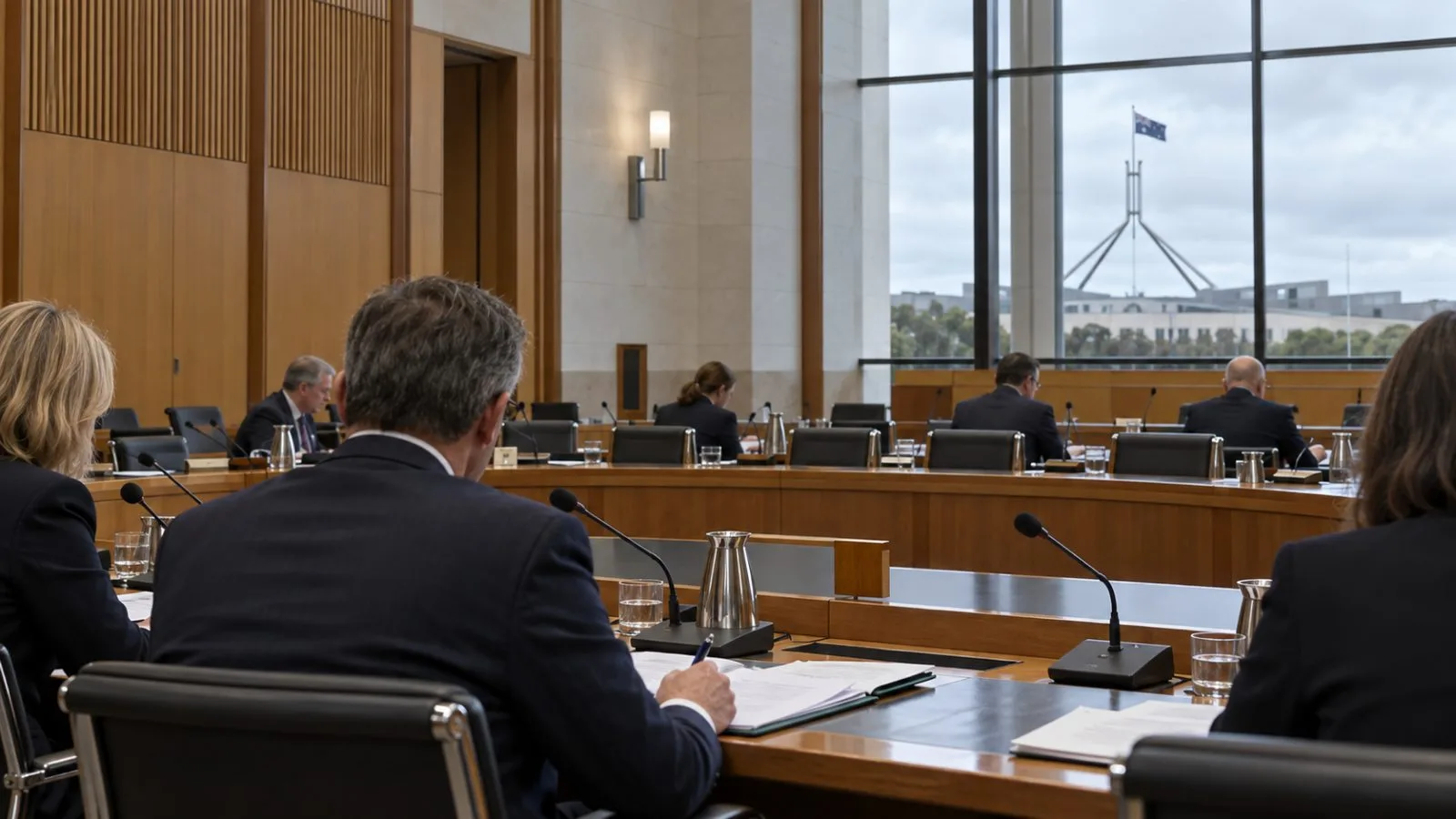
The Parliamentary Joint Committee on Intelligence and Security is examining the roles of algorithms, encrypted communications and gaming spaces in radicalization. Its inquiry also covers digital platforms’ obligations to detect and report extremist content.
Submissions close Oct. 30. Committee chair Sen. Raff Ciccone has said the panel will report by March 22, 2027.