


 Asian Stocks Plunge as AI Chip Selloff Hits South Korea and Japan
  Asian Currencies Steady as Dollar Nears 18-Month High Ahead of US CPI
  Oil Prices Fall as Trump Ceasefire Claim Shifts Market Focus to U.S. CPI
  US Stock Futures Rise as Oil Prices Fall Ahead of Q3 Earnings
  North Korea Fires Ballistic Missiles Amid Rising Tensions With South Korea
  Trump Denies Russia and China Are Helping Iran in U.S. Conflict
  Yandex Data Center Hit by Drone Strike as Russia-Ukraine Cyber Infrastructure Attacks Escalate
  Gold Prices Rebound as Dollar Weakens Ahead of US Inflation Data
  Kim Jong Un Showcases ICBM Ahead of Possible Trump Meeting
  XRP Price Drops 3% Despite Ripple-Backed Evernorth Nasdaq Debut
  Dogecoin Price Rises as Bitwise Plans DOGE ETF Closure
  Nasdaq Faces Pullback to 26,225 Despite Bullish Outlook, UBS Says
  Trump Secures Russian Diesel Deal as US Fuel Prices Surge
  Morgan Stanley Predicts $10 Trillion RWA Market by 2030
  Deutsche Bank CEO Urges Faster German Economic Reforms
  Navigating the Crypto Pulse: Weekly Market Resilience and Institutional Inflows


 Add as a preferred source on Google
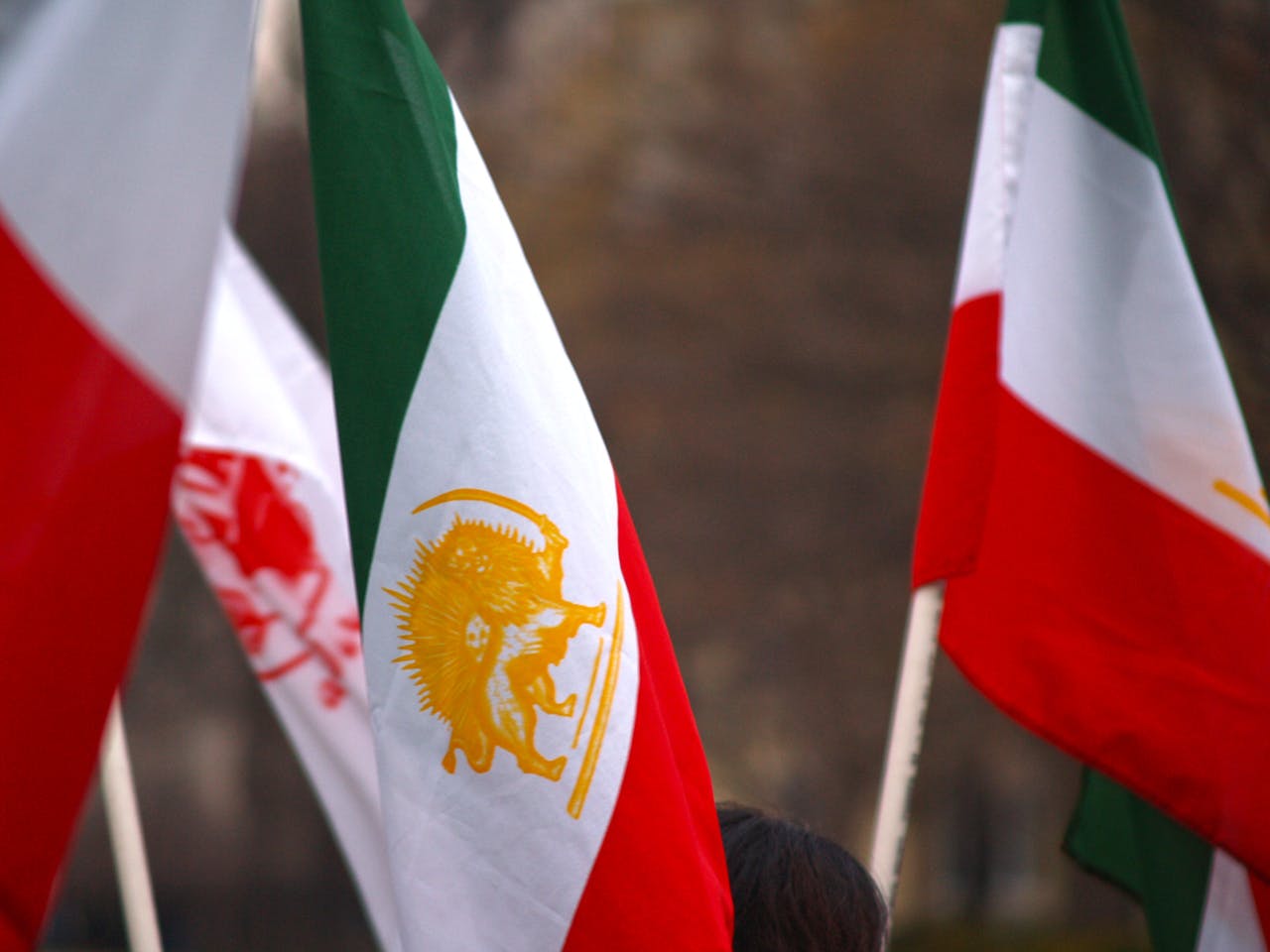
BCA Research analysts have cautioned that potential ceasefires in both Iran and Ukraine may provide only temporary support for global financial markets, as investors could be underestimating ongoing geopolitical risks and sustained energy price pressures.
According to BCA Research, the likelihood of a short-term agreement between the United States and Iran aimed at improving shipping conditions through the Strait of Hormuz has increased slightly. However, analysts believe any agreement is unlikely to restore conditions to pre-conflict levels. While financial markets would likely react positively to an Iran ceasefire, oil prices and broader commodity markets could remain elevated compared to the beginning of the year.
The firm noted that Iran’s apparent strategy is to secure a ceasefire while retaining some influence over global energy supplies. As a result, energy market volatility may continue even if tensions ease in the region.
BCA Research also highlighted growing concerns surrounding the Russia-Ukraine war. Analysts warned that Russia could benefit from higher energy revenues resulting from recent disruptions in global oil markets. These additional revenues may allow Moscow to increase military pressure on Ukraine while testing the unity of Western allies and NATO members.
Although a ceasefire would ultimately support Russia’s economic interests, BCA believes the risk of a significant Russian provocation has increased. Such a move could be intended to expose divisions within NATO and complicate efforts to reach a lasting settlement.
Given these geopolitical uncertainties, BCA Research recommends that investors maintain a defensive investment strategy. The firm favors U.S. equities over European assets and advises maintaining exposure to traditional safe-haven currencies such as the U.S. dollar and Japanese yen until durable ceasefires are established in both Iran and Ukraine.
Analysts also urged caution toward stocks and bonds in general, arguing that financial markets may have already priced in much of the optimism surrounding potential de-escalation in the Middle East. As geopolitical tensions remain unresolved, investors should remain prepared for continued market volatility and energy price fluctuations.







