Australian mining giant BHP Group reported a 19% decline in first-quarter copper production on Tuesday, as declining ore grades, maintenance activities and operational disruptions affected output at several major mining sites.
The world's largest publicly listed mining company produced 400,700 metric tons of copper during the three months ended September 30, compared with 493,600 tons in the same period last year.
The decline was primarily driven by lower planned ore grades at BHP's Escondida and Spence copper mines in Chile. Production also faced setbacks at the Carrapateena mine in Australia, where severe weather conditions and a conveyor belt failure disrupted operations.
Despite the weaker quarterly performance, BHP maintained its fiscal 2027 copper production guidance of 1.65 million to 1.8 million metric tons, signaling confidence in its ability to meet annual output targets.
Investors reacted negatively to the production figures, with BHP shares listed on the Australian Securities Exchange falling 2.1% to A$59.22 by 00:16 GMT.
Meanwhile, BHP's iron ore business delivered stronger results, with quarterly production increasing to 66.5 million metric tons from 64.1 million tons a year earlier.
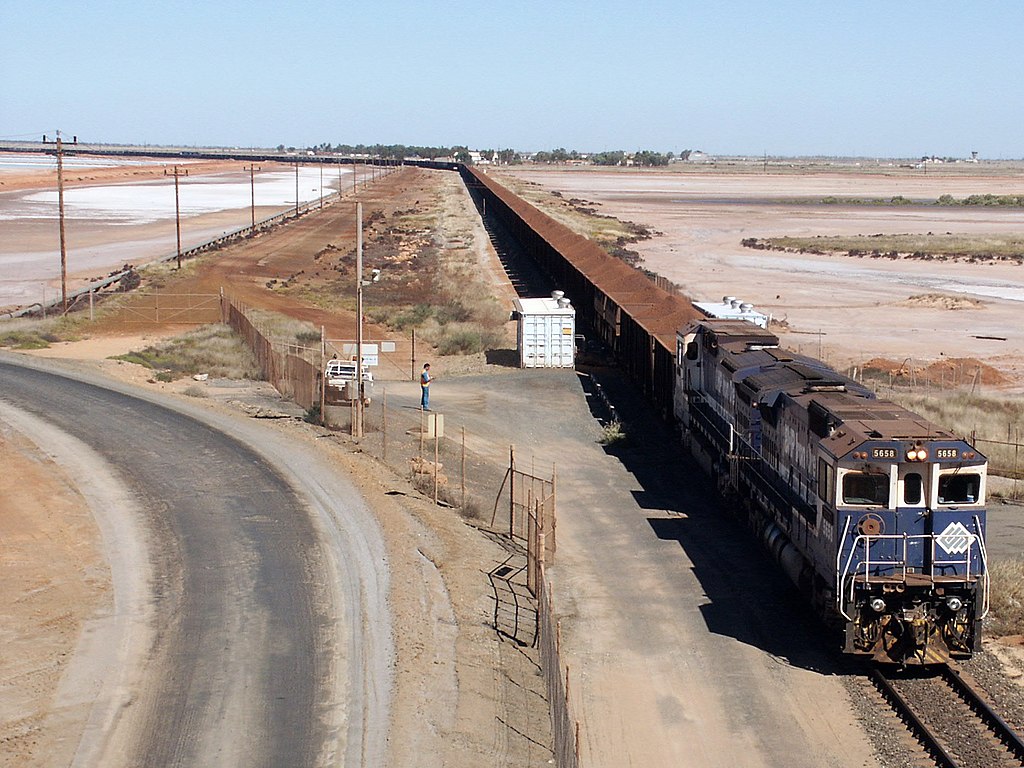
The improvement reflected solid operational performance across the company's Western Australia Iron Ore operations, including mining, rail transportation and port infrastructure. BHP achieved quarterly production records at both its mines and port facilities despite extensive scheduled maintenance.
The mining company reaffirmed its fiscal 2027 iron ore production forecast of 260 million to 272 million metric tons.
Higher copper prices provided additional financial support, helping offset weaker production volumes. BHP reported a 53% year-on-year increase in its average realized copper price to $7.01 per pound, reflecting favorable market conditions for the industrial metal.
In contrast, the average realized iron ore price declined 9% to $76.27 per wet metric ton, highlighting differing price trends across BHP's key commodities.
BHP also emphasized workplace safety following fatal incidents at its Escondida copper operation in Chile and Peak Downs coal mine in Australia. Investigations into both incidents remain ongoing.
Looking ahead, investors will closely monitor BHP's copper production recovery, iron ore performance and commodity price movements as the mining giant works toward achieving its fiscal 2027 production targets.