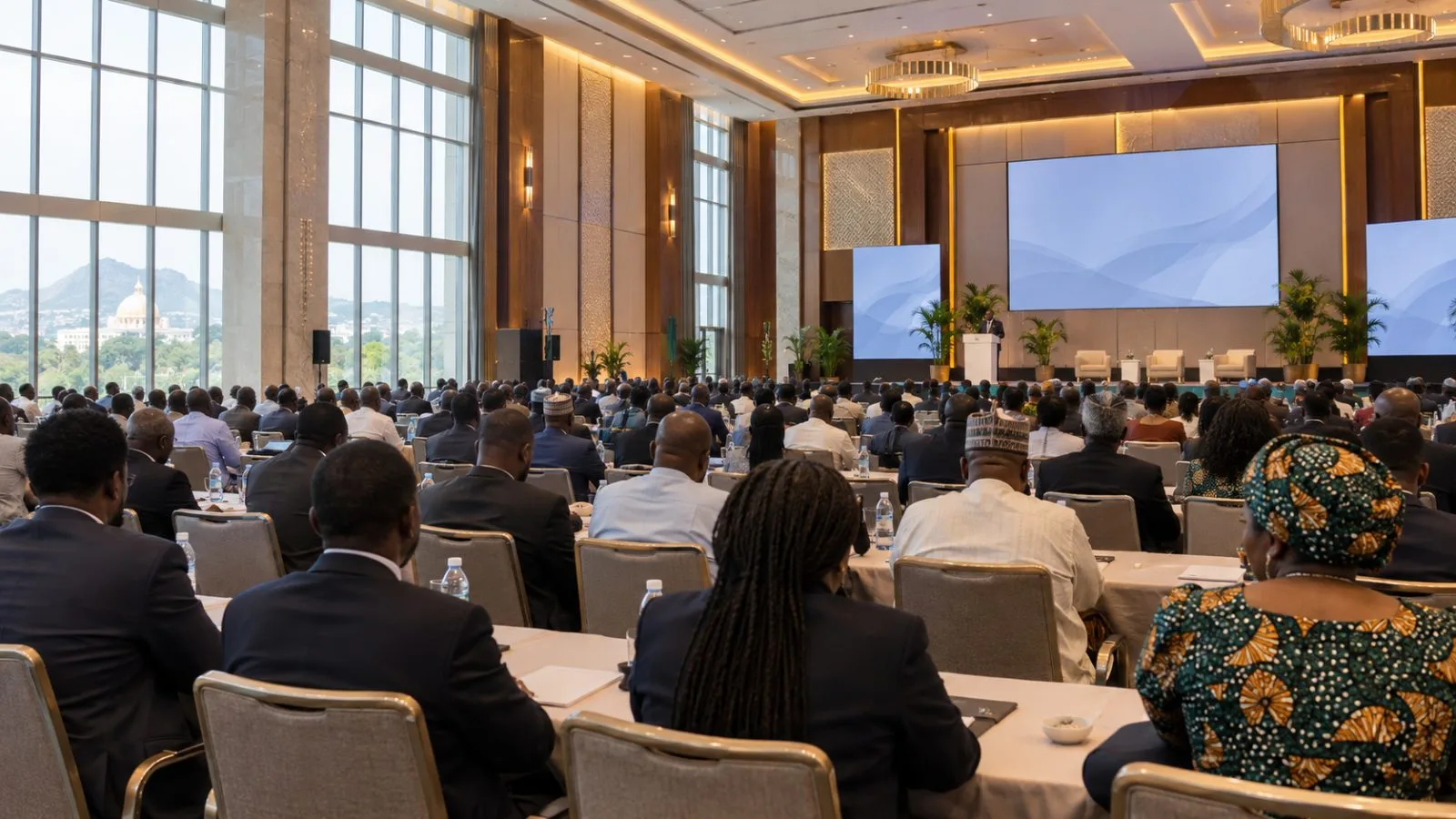
Nigeria’s next industrial push will depend on financing and predictable policy, BUA Group founder and executive chairman Abdul Samad Rabiu said at the Nigerian Economic Summit in Abuja on Oct. 26. BusinessDay and People’s Gazette reported that he also said foreign exchange reforms had made it easier for companies to obtain dollars through the market.
BusinessDay reported Rabiu said businesses no longer needed to lobby the Central Bank of Nigeria (CBN) governor for FX allocations, recalling that companies had previously sought dollars from the bank every two weeks. People’s Gazette also reported his view that firms could now obtain foreign currency through the market at prevailing rates.
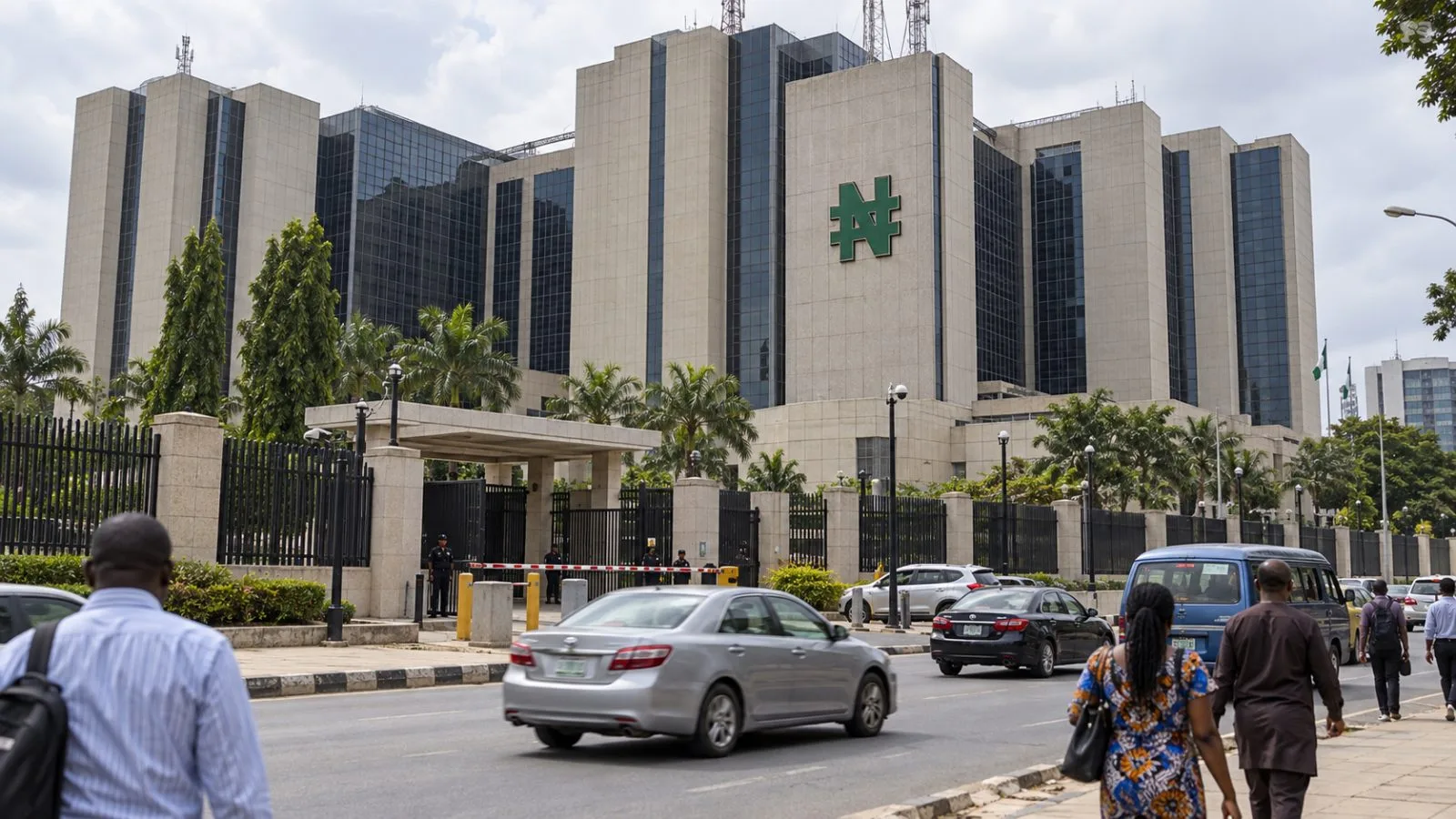
The CBN says its reforms include unifying multiple FX windows under a willing-buyer, willing-seller system, introducing the FX Code and Bloomberg B-Matching platform, implementing an electronic FX matching system and clearing verified FX backlogs. Those measures establish the policy changes Rabiu referred to, though the CBN material does not confirm how much access has improved for individual firms.
Rabiu said factories need financing that matches the time required to build and operate them. “We cannot expect businesses to make 20-year investments if they cannot plan with confidence beyond the next few years,” he said, according to People’s Gazette. People’s Gazette reported that Rabiu put the time for industrial investments to realize their full potential at 10, 15 or 20 years.
He called for pension funds, insurers, banks, development finance institutions and capital markets to direct more long-term funds toward productive investment. He also cited reliable infrastructure and consistent government policies as conditions for industrial expansion.
Rabiu urged Nigeria to develop 100 more major companies across sectors such as manufacturing, agriculture, mining and technology. He said such firms could create jobs, support local suppliers and generate exports, according to both reports.