Conservative leader Kemi Badenoch is pressing Chancellor John Healey to explain how Britain would pay for higher defense spending in the Oct. 28 Budget, linking the question to welfare reductions and government borrowing.
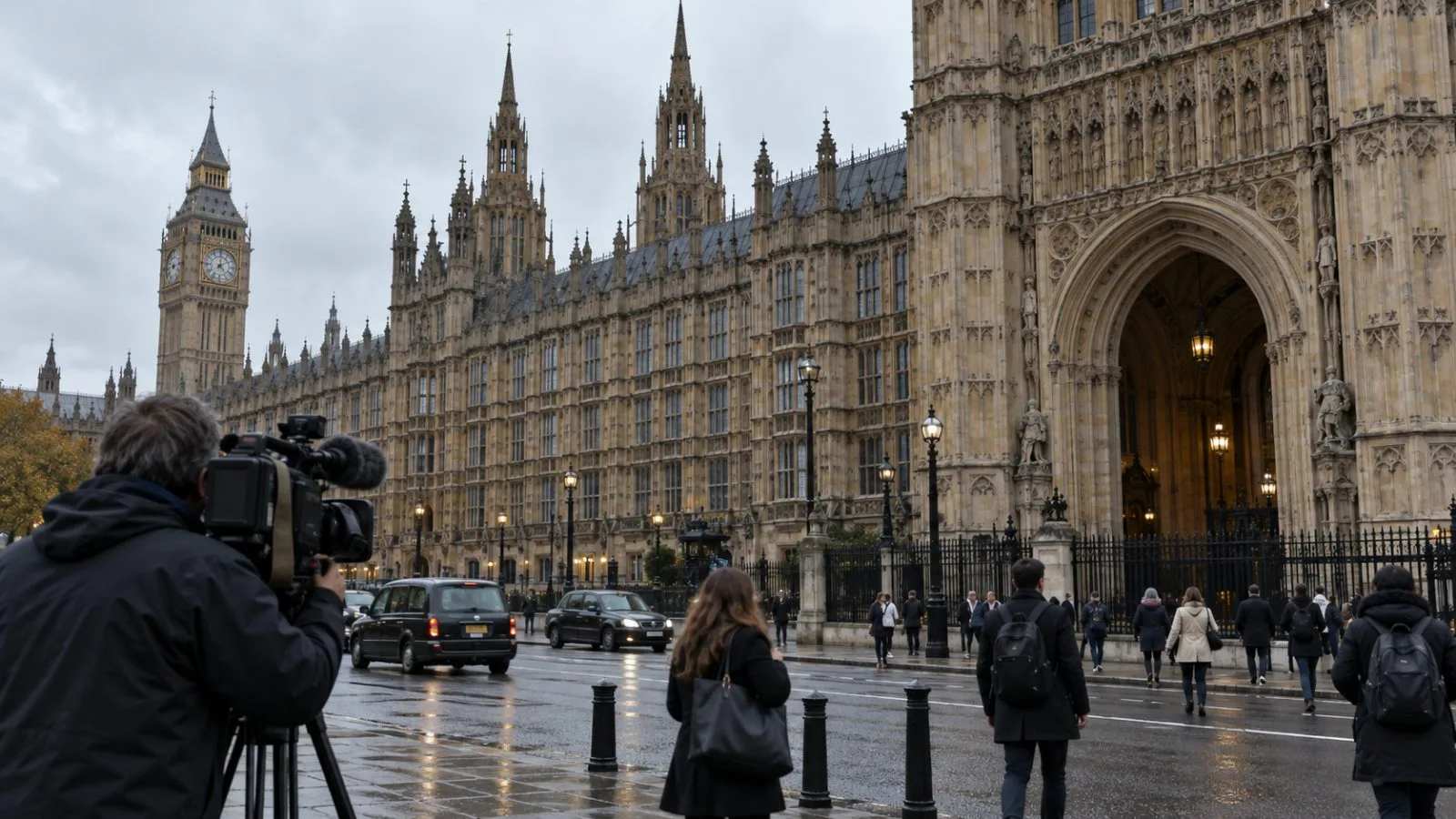
In a Westminster speech, Badenoch said the statement should explain how the country could raise defense outlays to 3% of GDP. She said leaving the funding issue unresolved would require Healey to explain the government's position. She described a reported postponement as “unconscionable” if it proved accurate.
The Independent reported that Healey would leave the timing and route for a defense spending increase to next year's spending review. NATO's 3.5% of GDP target is for 2035, with a 3% share described as an interim step. The report gave no date for that level.
Badenoch compared the extra funding required for the 3% threshold with welfare spending growth since Labour entered office, saying the defense addition was below one-third of that rise. Her Conservative Party, she said, would seek more than £70 billion in savings, including welfare cuts.
She also used borrowing costs to argue against additional government debt. Badenoch said the yield on 30-year UK government bonds rose above 6% this month, its highest level since 1998. She described Britain's borrowing costs as the highest among advanced economies, more than 1 percentage point above Greece and Spain and almost 2 points above Germany.
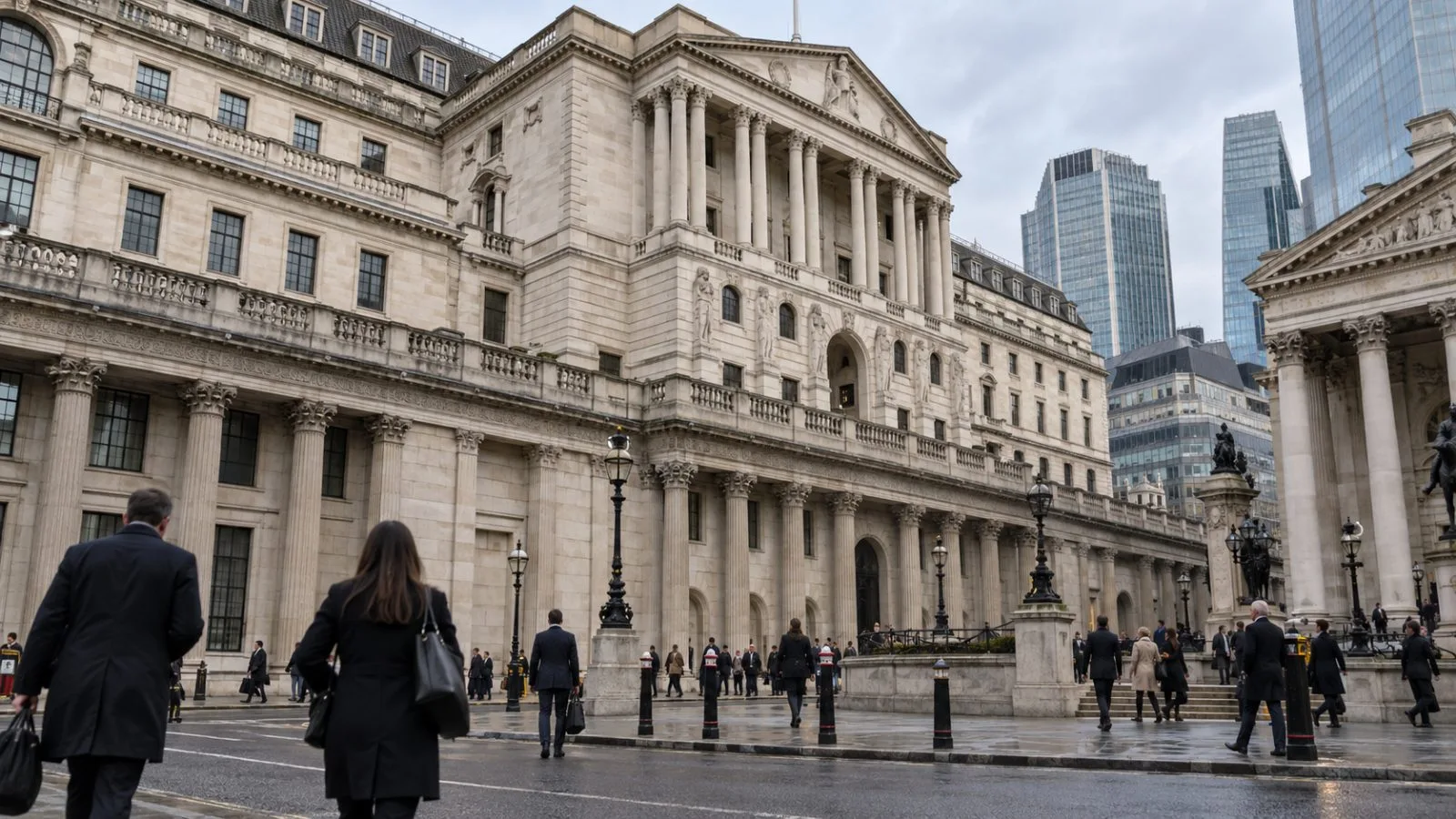
The Guardian reported Healey was weighing an increase in bank taxes. Badenoch warned that such a move could raise mortgage costs and rates on business loans. EconoTimes previously covered the reported prospect of higher taxes on banks.
Labour Party chair Bridget Phillipson rejected Badenoch's criticism, saying the Conservatives had left Britain with higher debt and interest rates. She called Badenoch's approach “reverse Robin Hood politics,” saying it would favor wealthy people while offering little to ordinary households. Phillipson said the economy was growing, interest rates had fallen and private investment had returned.
Healey is scheduled to present the Budget on Oct. 28.