South Korea’s semiconductor bonuses could lift economic growth by 0.06 to 0.09 percentage point in 2027 through increased household spending, the Bank of Korea said in its own video programme.
The central bank expects semiconductor companies’ bonuses next year to reach about five times this year’s level. It said the resulting spending effect is still too small to determine growth across the economy.
The central bank presented the estimates in an episode of its explanatory programme, Gunggeumhan-eun, published on Oct. 20 on its own YouTube channel. No individual speaker was identified in the supplied material.
The programme linked the semiconductor boom to rising corporate profits and higher national income as chip export prices increased. But subsidies and stock market wealth also affected consumption, making the chip industry’s contribution difficult to isolate.
The central bank compared card spending across regions, focusing on Icheon, Hwaseong and Cheongju, where semiconductor workers account for the largest shares of residents. Monthly consumption in areas benefiting from the industry was up to 4% higher than elsewhere after bonus payments.
In those three cities, the estimated spending effect reached 1.6% after the 2025 bonuses and widened to 3.7% in 2026, when payments were larger. Cars, department store purchases and expensive household goods accounted for the largest increases.
Households first spent the extra income on “relatively expensive things,” the programme said, in a quotation translated from Korean. Spending did not rise evenly across everyday purchases.
The central bank estimated additional consumption at about 1.1 trillion won from February 2025 through June 2026. The cumulative increase would reach about 1.7 trillion won if the effect continued through December.
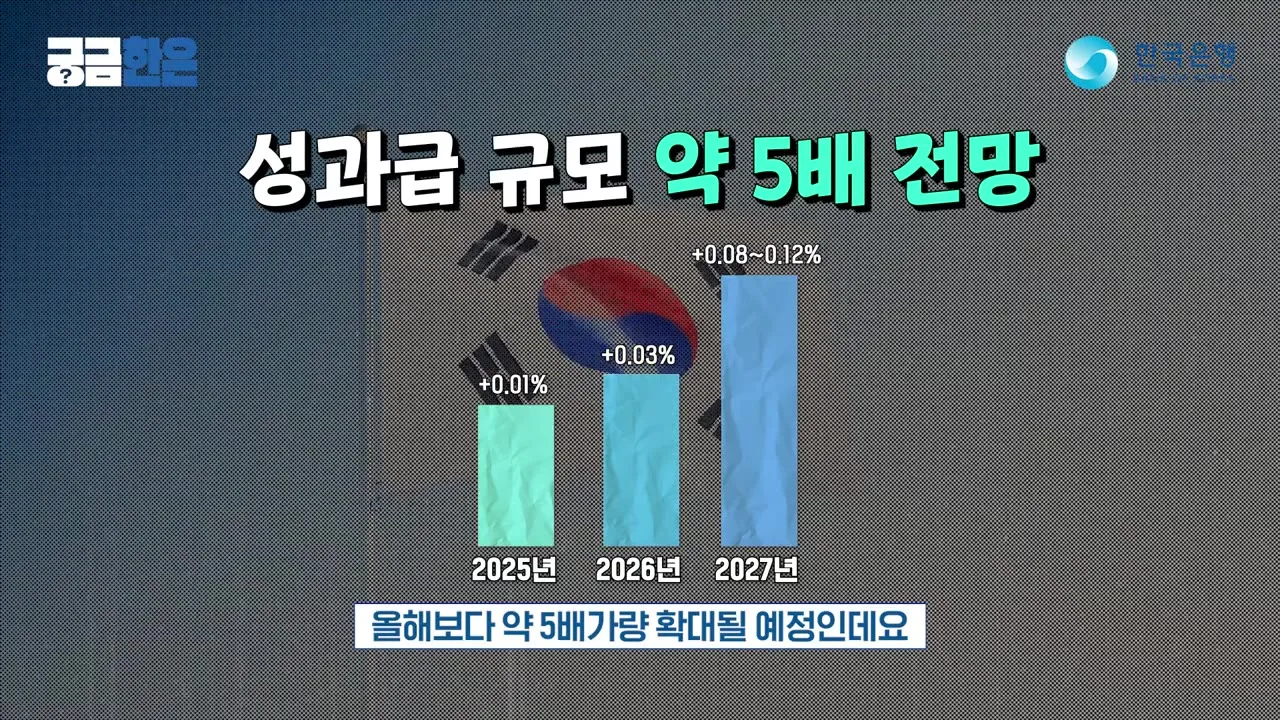
Including effects across connected industries, the central bank estimated that spending raised gross domestic product, the value of goods and services produced, by 0.01% in 2025 and 0.03% in 2026.
It projected a GDP level increase of 0.08% to 0.2% in 2027. The separate growth estimate measures how much faster the economy would expand that year.
Icheon recorded a smaller consumption increase than other semiconductor areas despite having the country’s highest concentration of residents working in the industry. Residents’ home purchases in the Seoul metropolitan area rose sharply after bonuses, the central bank said.
Some extra income may therefore have gone into housing, although the programme did not establish how much. It said broader spending effects depend partly on whether households buy goods and services or assets.
The programme identified three conditions for wider benefits: more hiring, more income going into consumption, and purchases spreading across more categories. It said income shared through new jobs tended to generate more consumption than equivalent pay increases for existing employees.
It also favoured purchases that generate more income for domestic households. The programme left open whether hiring and spending patterns would change enough to produce those broader benefits.