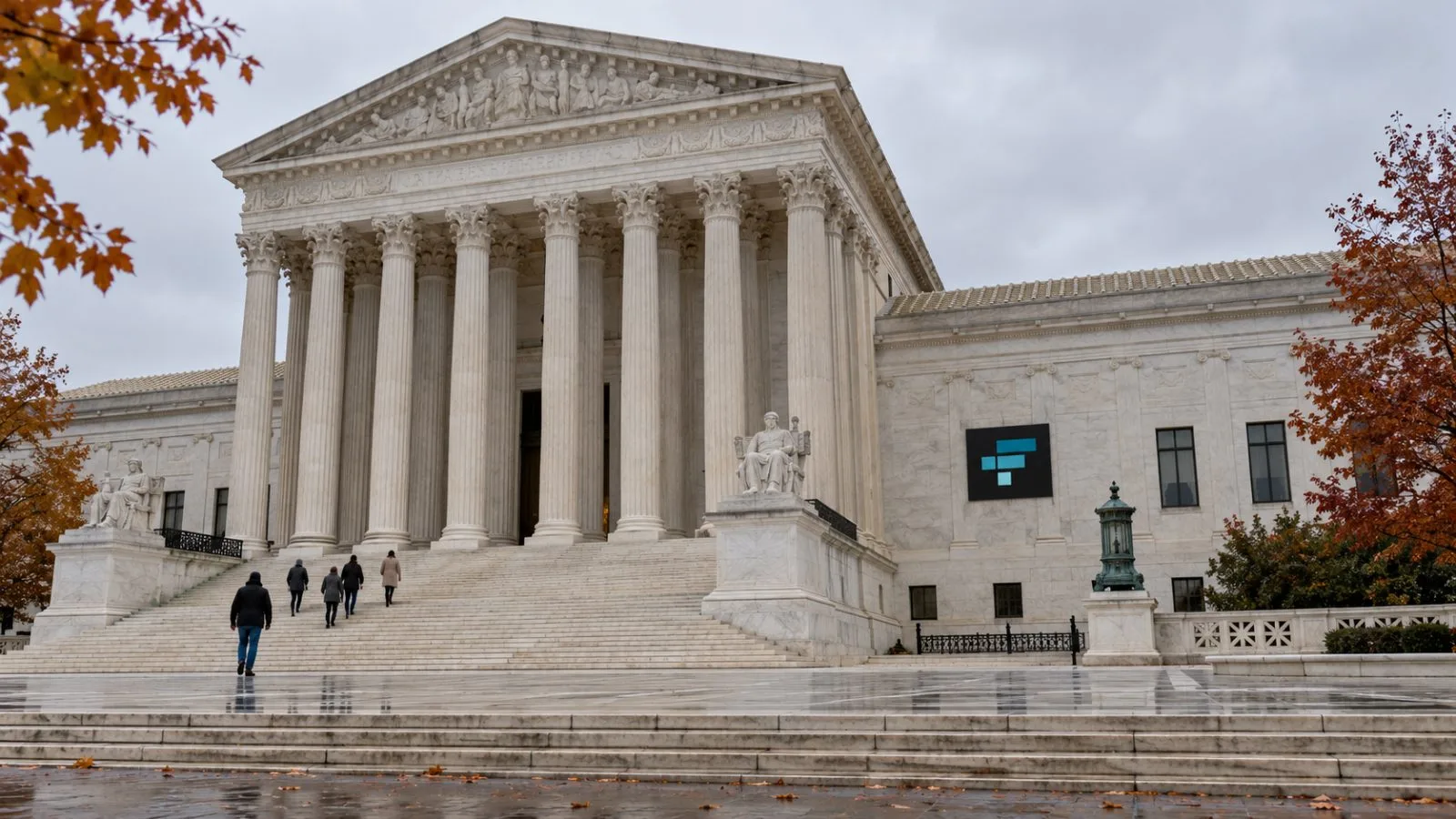
A Supreme Court petition from former FTX CEO Sam Bankman-Fried says he surrendered assets to repay customers, but the claim does not resolve the separate $11.02 billion forfeiture upheld on appeal.
Filed Sept. 10, the petition asks the court to review whether prosecutors could introduce evidence of customer losses in the fraud case. It also argues that the Eighth Amendment limits a fine that could impair Bankman-Fried’s ability to support himself after prison.
FTX Trading Ltd. and the FTX Recovery Trust said a fifth creditor distribution of about $900 million was scheduled to begin July 31, 2026. Their release listed cumulative distributions of 105% for allowed Dotcom and U.S. customer entitlement claims, 103% for allowed general unsecured and digital asset loan claims, and 120% for convenience claims.
The FTX distribution portal says payments are limited to holders of allowed claims who meet verification and other requirements. It also says claims are still being reconciled and some disputed claims may later be allowed, so the class-wide rates do not establish that every claimant has been paid.
Bankruptcy court procedures value digital-asset claims in U.S. dollars using prices from the Nov. 11, 2022, petition date. Bankman-Fried’s filing says some customers objected to receiving cash rather than cryptocurrency and to missing gains as prices rose.
On June 12, the U.S. Court of Appeals for the Second Circuit affirmed Bankman-Fried’s conviction on seven counts, his 25-year prison sentence, three years of supervised release and the forfeiture. The court characterized the forfeiture as punitive rather than restitution and noted Bankman-Fried’s argument that he would not come close to paying it.
The Economist reported that it interviewed Bankman-Fried at Lompoc Federal Prison on Oct. 20. He maintained his innocence and described FTX’s collapse as “a run on the bank.”
The government’s response to the petition is due Nov. 16, according to the Supreme Court docket, which lists no date for a decision on whether to hear the case.