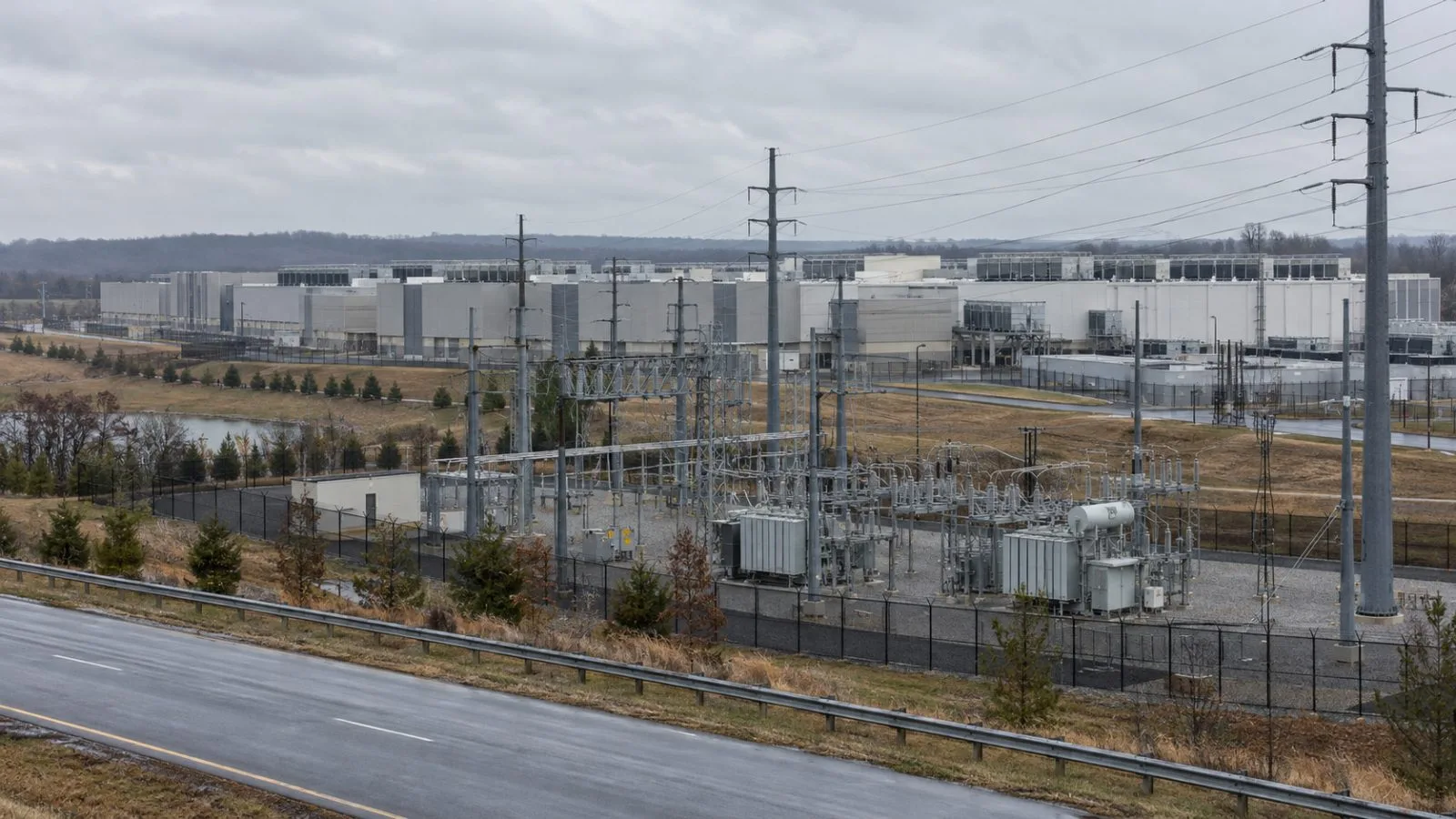
Seven Bay Area cities have placed temporary limits on parts of data-center development this year, bringing local disputes over power, water and land into an election debate over AI infrastructure.
Oakley, Gilroy, Richmond, Brisbane, San Francisco, Oakland and Hayward have all acted, though their rules target different phases of projects. Gilroy’s measure covers future applications and leaves an already approved Amazon Web Services (AWS) facility under construction unaffected. The city says a possible second AWS facility had not been formally submitted. Oakland’s interim ordinance covers data-center land-use entitlements and agreements.
The measures also have different timelines. Oakley adopted an initial moratorium in April and extended it in May; Richmond extended its measure on Oct. 20 through Sept. 15, 2028. San Francisco’s legislative record shows final action on its 45-day citywide moratorium on Oct. 16. Hayward’s Oct. 20 vote starts a review that could run for as long as two years. The city’s checklist ranges from energy and water capacity to air quality, noise, emergency response and economic priorities.
The debate features in San Francisco’s congressional race. San Francisco Supervisor and congressional candidate Connie Chan supports a nationwide moratorium while Congress establishes comprehensive rules. In a written response to Mission Local, Chan said she was fighting for “a nationwide data center moratorium until Congress establishes comprehensive rules.” California state Sen. Scott Wiener, also a congressional candidate, took a different position in his response to Mission Local, writing that “a blanket data center moratorium could undermine AI regulation.” His campaign platform calls for federal standards on data-center energy and water costs, plus fees for grid expansion.
California Gov. Gavin Newsom signed seven data-center bills Sept. 21. The package creates reporting requirements for electricity and water use, addresses grid costs and water infrastructure, and changes environmental-review procedures. The governor’s office said the laws are intended to give local officials more information and keep other ratepayers from bearing data-center grid-upgrade costs. They do not establish a statewide moratorium.
Public views on the trade-offs vary by issue. In a Pew Research Center survey of 8,512 U.S. adults conducted Jan. 20-26, 2026, respondents who had heard at least a little about data centers were more likely to see a local-jobs benefit than a downside (34% to 20%). Views of home energy costs and environmental effects leaned negative: 50% described the effect on energy costs as mostly bad and 8% as mostly good; for the environment, the figures were 53% and 6%. The survey measures opinion, not bill changes caused by a particular facility.
Brisbane’s council is scheduled to consider its first moratorium extension Thursday, Nov. 5.