BlackRock Investment Institute cut its forecast for European economic growth over the coming year by a full percentage point, leaving little room for expansion in 2027, the institute's head said.
The institute now expects growth of about 0.5% or less. Higher interest rates worldwide have hurt Europe, even as competition for investment money reflects economic strength in the United States.
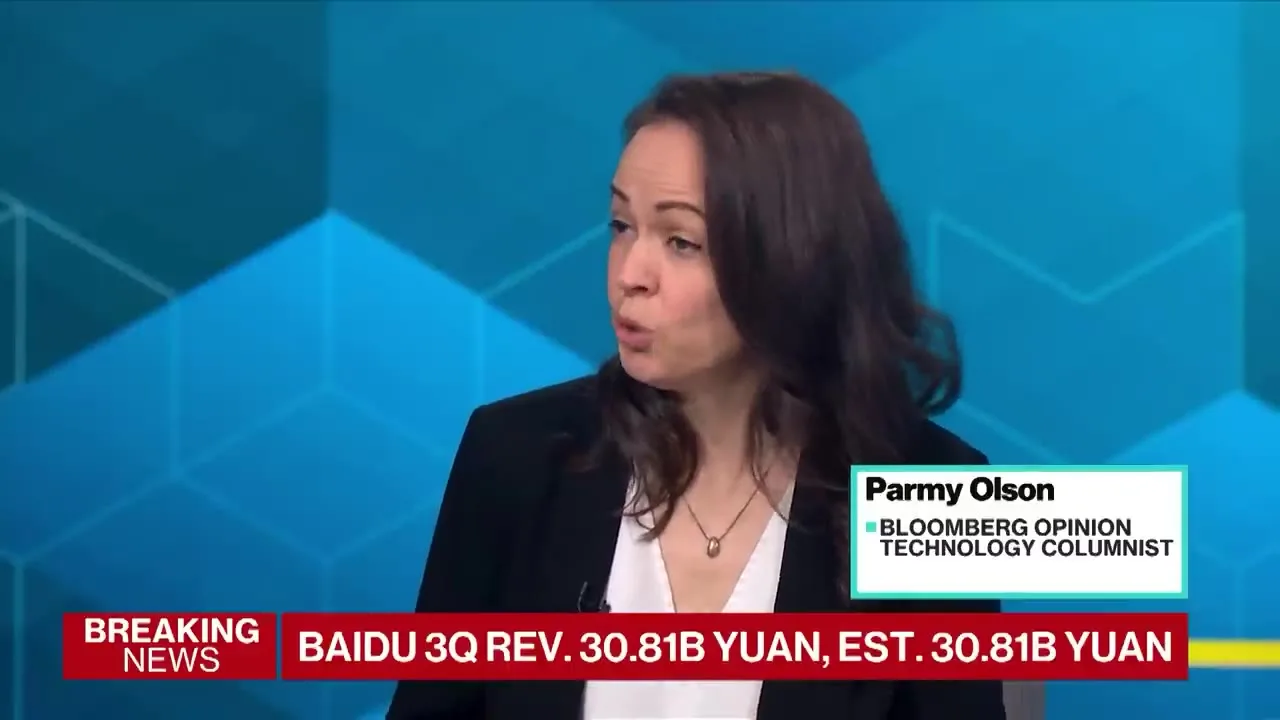
Speaking on Bloomberg Television's The Pulse, published Nov. 16, the institute's head described the U.S. economy as strong, with gains extending beyond the wealthiest households.
“Everything is going up,” he said. “Wealthier people go up more, but everybody's going up.” Concerns earlier in the year about weaker consumer spending had given way to better economic performance.
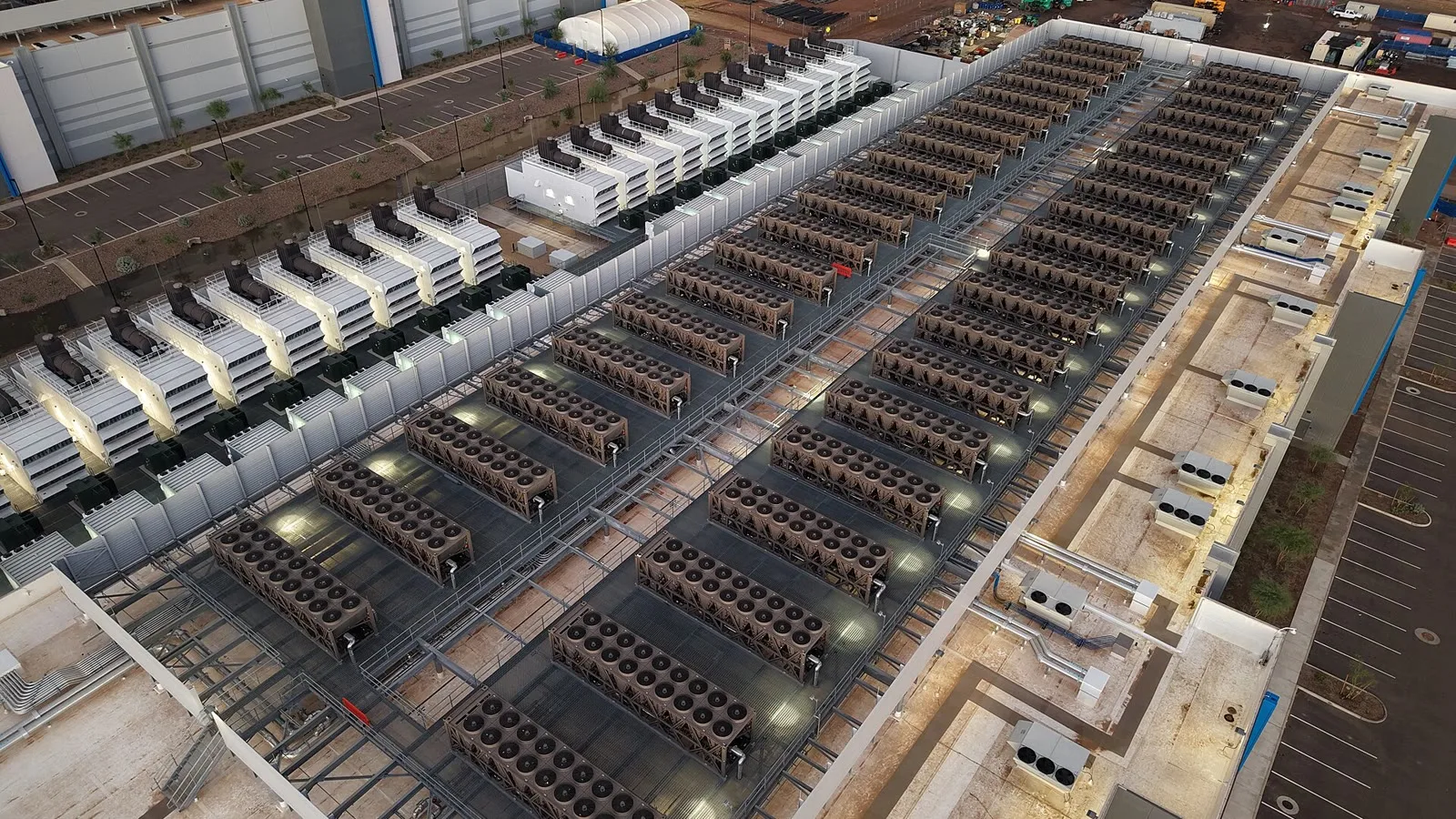
Artificial intelligence has supported activity through spending on infrastructure and gains in household wealth from rising stocks. He said that investment spending was unlikely to keep increasing at the same pace.
Questions about the technology's adoption and eventual benefits had received less attention while companies focused on building computing capacity. Those questions are becoming harder to set aside as construction progresses.
Dependence on individual executives, concentrated investment and uncertainty about government policy all create risks. The deeper question is how much customers will ultimately spend on artificial intelligence.
“We haven't seen much evidence” of an effect on profits outside the artificial intelligence sector, he said.
A slower infrastructure build would affect the wider economy because artificial intelligence accounts for a large part of U.S. growth, he said. Falling household wealth could also weaken consumer spending in 2027.
On monetary policy, he said expectations had changed from the start of the year, when two interest-rate cuts were considered necessary to approach neutral, a level that neither stimulates nor restrains economic activity.
Markets were anticipating perhaps another 50 basis points, or half a percentage point, of cuts. Even so, he said investors might now be placing too much weight on the possibility of tighter policy.
“I don't expect the Fed to be as hawkish as the market interprets it right now,” he said. Easing Middle East tensions could lower oil prices, while slower economic growth could also help inflation ease.
The strain between inflation and growth extends beyond the United States. He cited an upside inflation surprise in Canada and a larger effect on growth in Europe.
Europe still offers opportunities in particular industries, including financial services, where artificial intelligence adoption has supported investment returns. But higher borrowing costs complicate the region's broader growth prospects and government finances.
Pressure on British government finances could ease as competition for investment money becomes less intense. He expected interest rates to stay high, while judging that Britain's fiscal difficulties would not worsen from current levels.
After the U.S. midterm elections, restrictions on artificial intelligence, particularly at state level, remain unresolved. He said the question was whether those policies would slow construction, with political decisions and economic consequences influencing each other.